From Office Routine to the Top of Boxing: The Story of Fabio Wardley
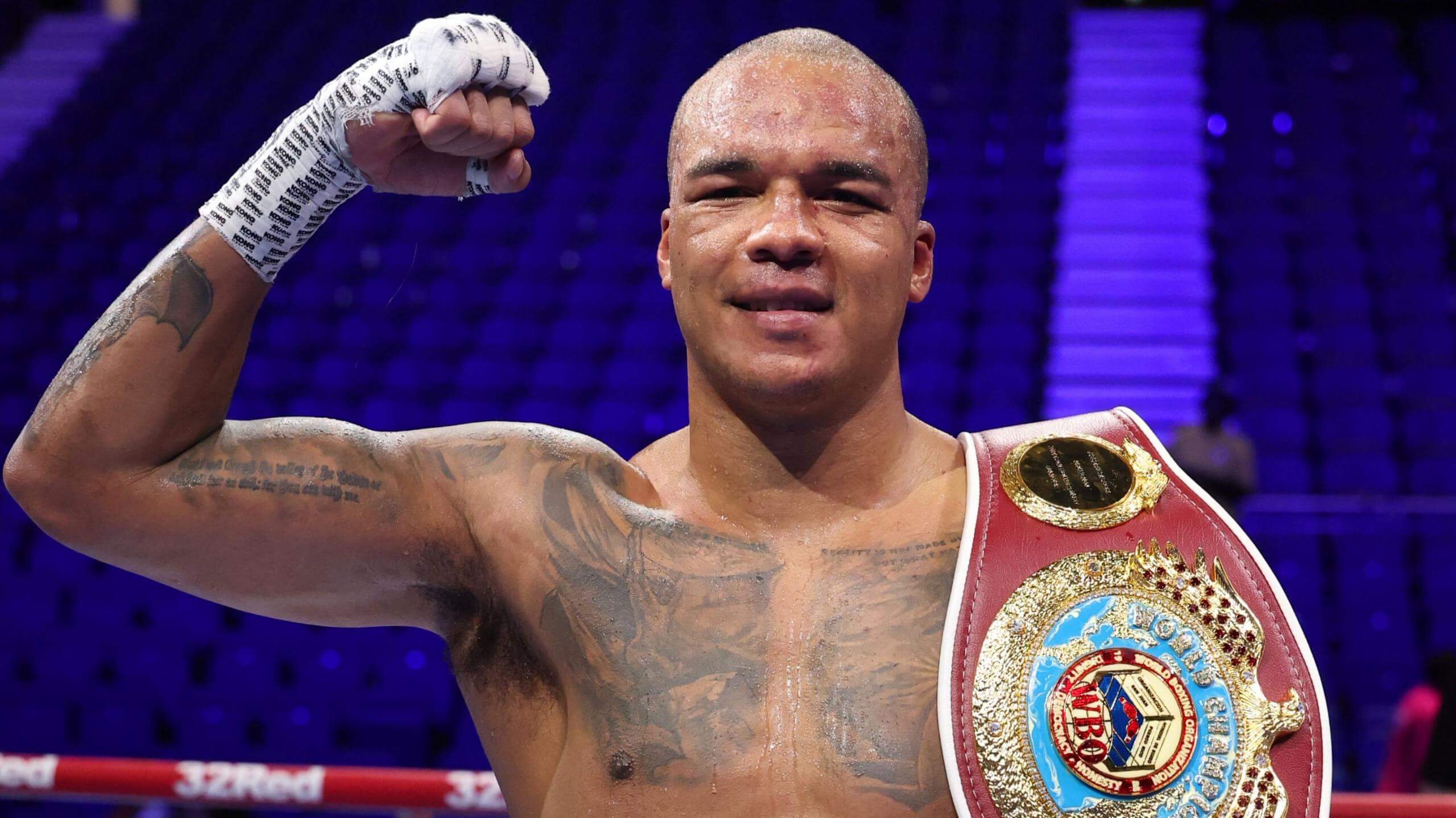
Fabio Wardley
 Text by: Marina Slobodyanik
In professional boxing, there are rarely any accidents. Champions are typically shaped over years through youth programs, amateur circuits, national teams, and dozens—if not hundreds—of fights. That’s precisely why Fabio Wardley’s story feels like an exception that shouldn’t have happened, yet somehow did.
Just ten years ago, his life had nothing to do with sport. He worked in an office in recruitment, spent his days behind a computer, and followed a predictable path. It was a stable, structured life with no indication of future arenas, titles, or the attention of thousands. Boxing simply wasn’t part of it.
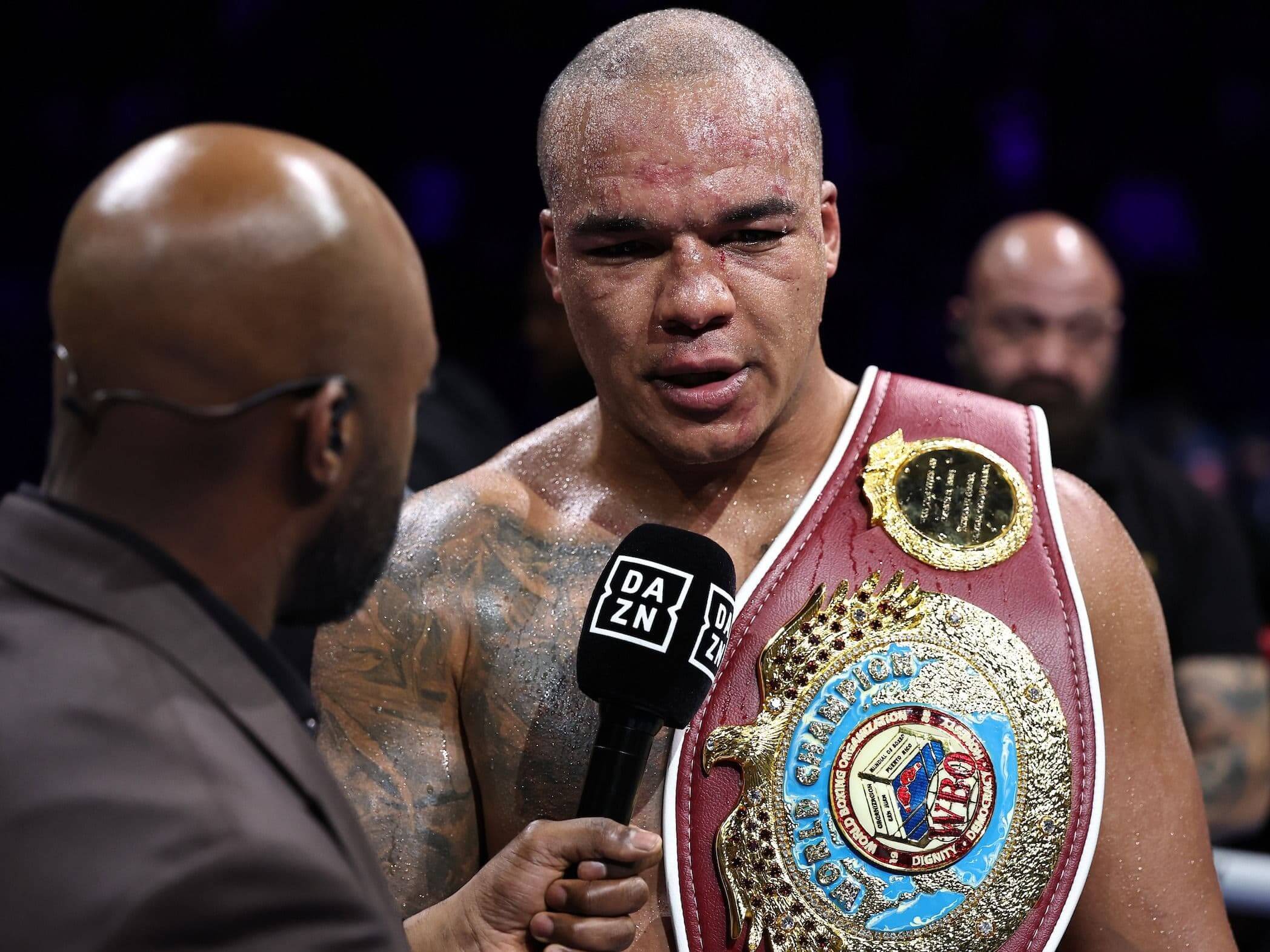
It entered his life almost by chance. Not as a calculated career move, but as a curiosity—an opportunity to try something new. By that point, Wardley was already at an age when most professional fighters have long established their foundation. He had no formal background, no competitive experience, no system behind him. What he did have was the willingness to start from zero.
His first steps came through white-collar boxing—amateur bouts often involving people with no professional ambitions. For most, it remains a one-off experience, a personal challenge or experiment. For Wardley, it became a starting point.
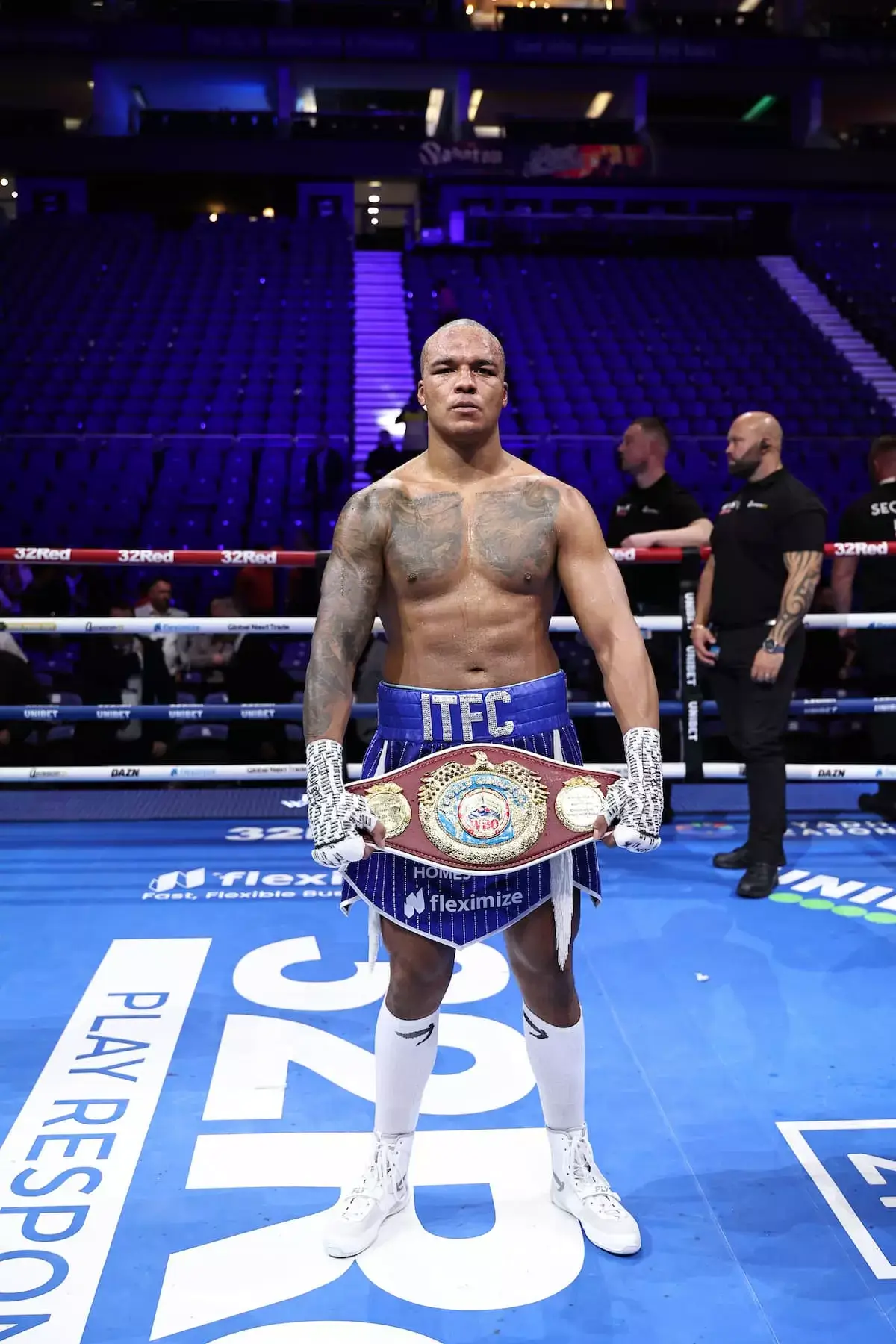
The decision to turn professional seemed almost irrational. In an industry where experience is the primary currency, he was starting with a deficit. Yet that very absence of a traditional path freed him from convention. He wasn’t shaped by expectations, nor was he following a predefined trajectory.
His development unfolded differently. Where others required years, he moved faster—more direct, more aggressive, more willing to learn in real time. Physical power, an attacking style, and relentless work ethic became his tools. Each fight was not just a test, but an accelerated phase of growth.
Over time, it began to pay off. Wardley didn’t just win—he drew attention. His fights were entertaining, his style was clear and high-impact, and his story was anything but ordinary. In a sport where most athletes follow similar paths, he stood out simply by existing outside that pattern.
Gradually, his background became part of his strength. The story of a man who once worked in an office and now steps into a professional ring resonated with audiences. It added dimension to his identity and turned each fight into part of a larger narrative.

With results came recognition. Wardley was no longer seen as an anomaly or a temporary figure. He became a legitimate presence in an industry he once had no connection to. Alongside that came pressure—the need to prove himself, to meet expectations, and to sustain his position.
This is where the real paradox of his story lies. He wasn’t supposed to reach this level—yet he did. He didn’t follow the rules—and that’s exactly why he managed to stand out.
Fabio Wardley’s journey goes beyond sport. It speaks to something broader: that an unconventional path is not always a disadvantage. In some cases, it becomes the defining edge.
From office routine to professional boxing is more than a career shift. It’s a reminder that starting without perfect conditions doesn’t limit possibility—it can redefine it.