From the Stands to the Spotlight: The Journey of Umar Ahmed
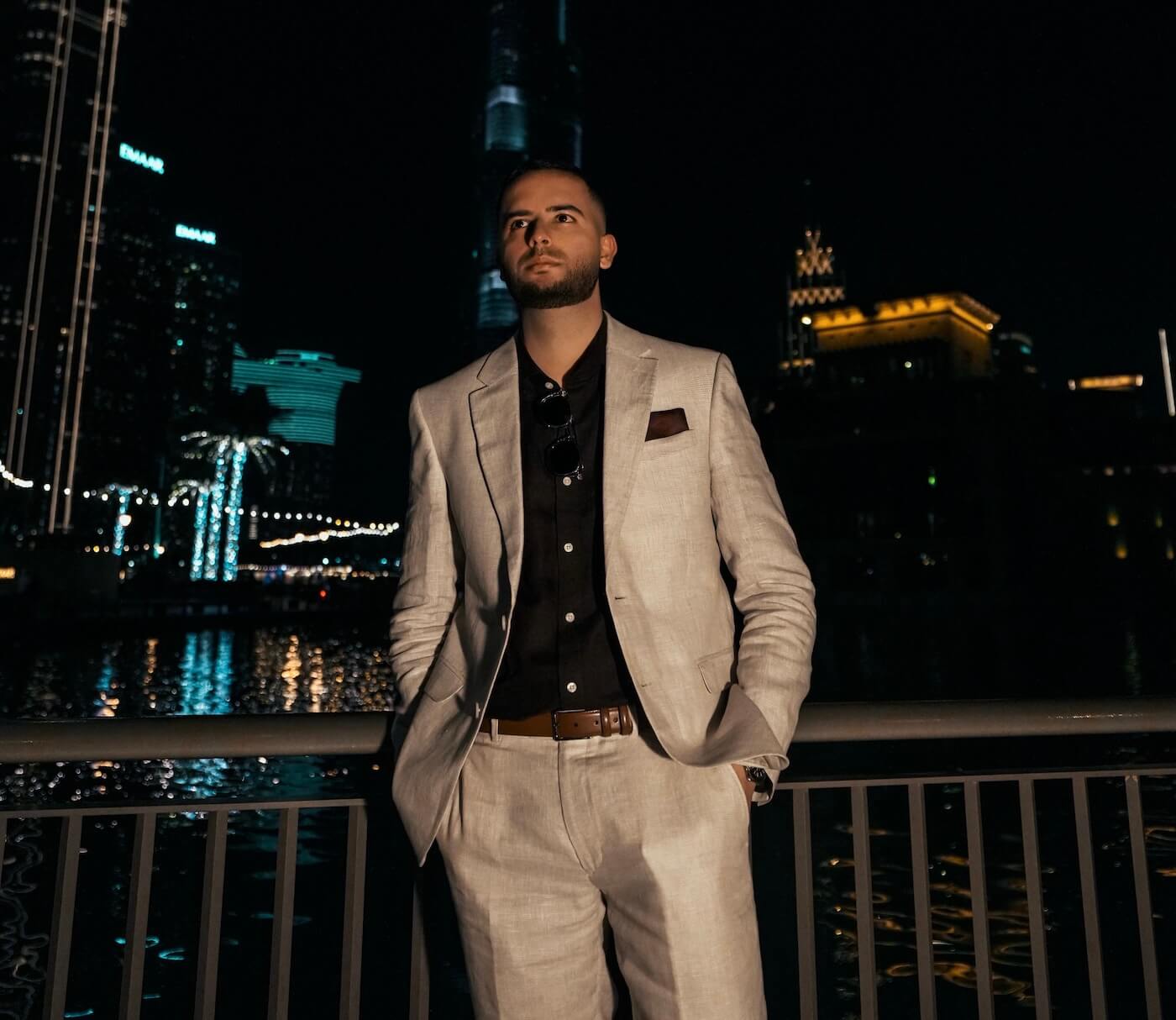
In the world of boxing, most stories begin in the gym. Umar Ahmed’s began in the stands — as a fan, watching, learning, and absorbing the sport from the outside. What followed was far from a typical path; instead, it was defined by timing, instinct, and the ability to recognise opportunity in the moment.
From an unexpected encounter on a London Underground train to working at the heart of boxing media with IFL TV, Umar quickly became a familiar face around some of the biggest fights in the world. Over the years, he has experienced the sport from a unique vantage point — not just as a journalist, but as someone deeply embedded in its rhythm, relationships, and realities.
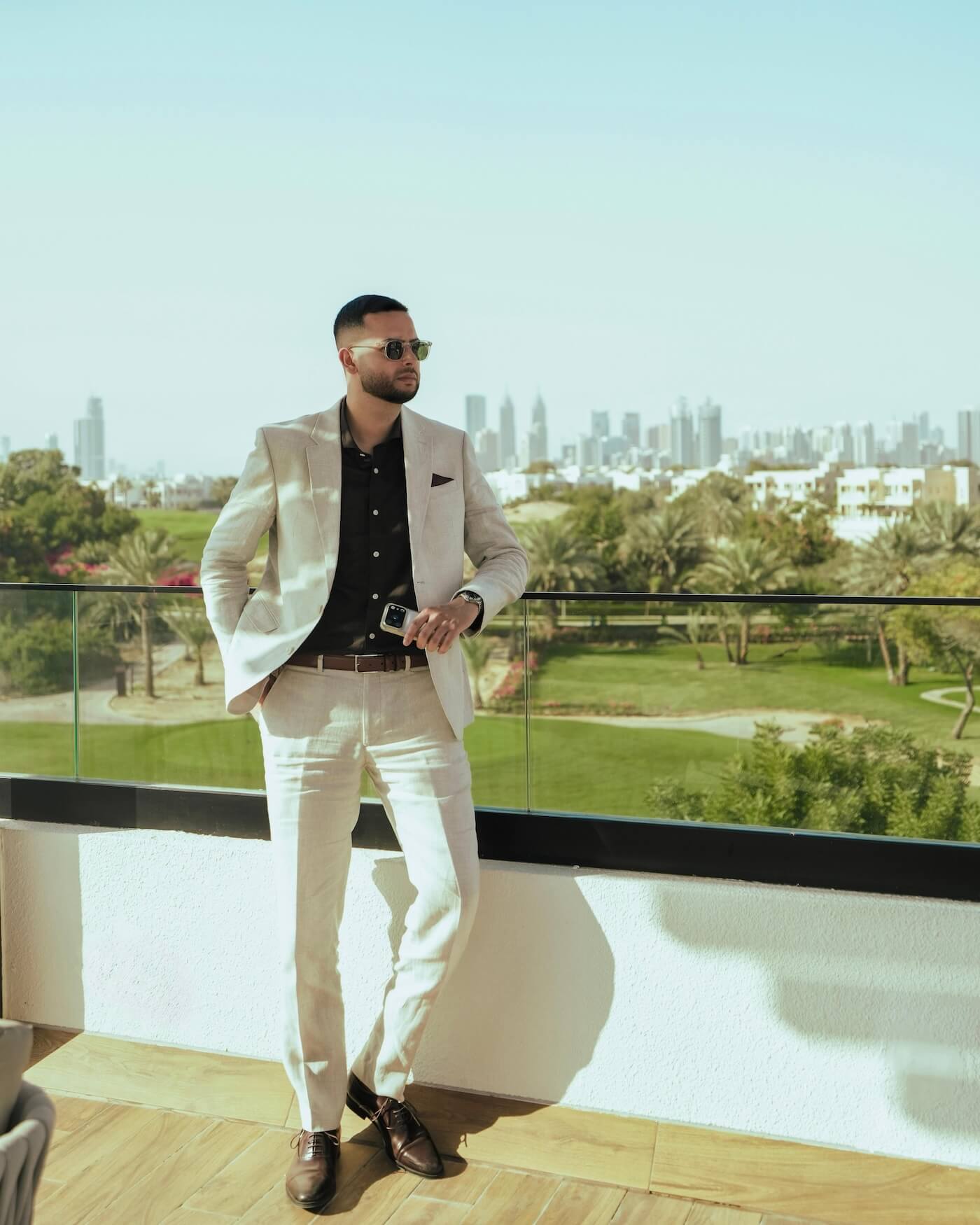
Now based in Dubai, his journey has evolved beyond traditional boxing coverage into a broader intersection of media, business, and lifestyle. Through new ventures and platforms, he remains closely connected to the sport — just from a different perspective.
This is the story of Umar Ahmed — a journey shaped by passion, opportunity, and continuous evolution.
1. How did your journey in boxing begin, and why this industry?
My journey into boxing started purely as a fan. I grew up watching the sport and was always drawn to the personalities, the stories, and the intensity behind it. I didn’t plan it as a career at first — I was simply someone who loved boxing. That changed when I was 18. I was attending a fight at the O2 Arena and, on the way home, met James Helder, co-founder of IFL TV, on the tube. We started talking naturally about boxing, and by the end of the journey he offered me a job. From that moment, I went from being a fan to working at the very centre of the sport.
2. Looking back 10 years, what has been the most defining moment of your career?
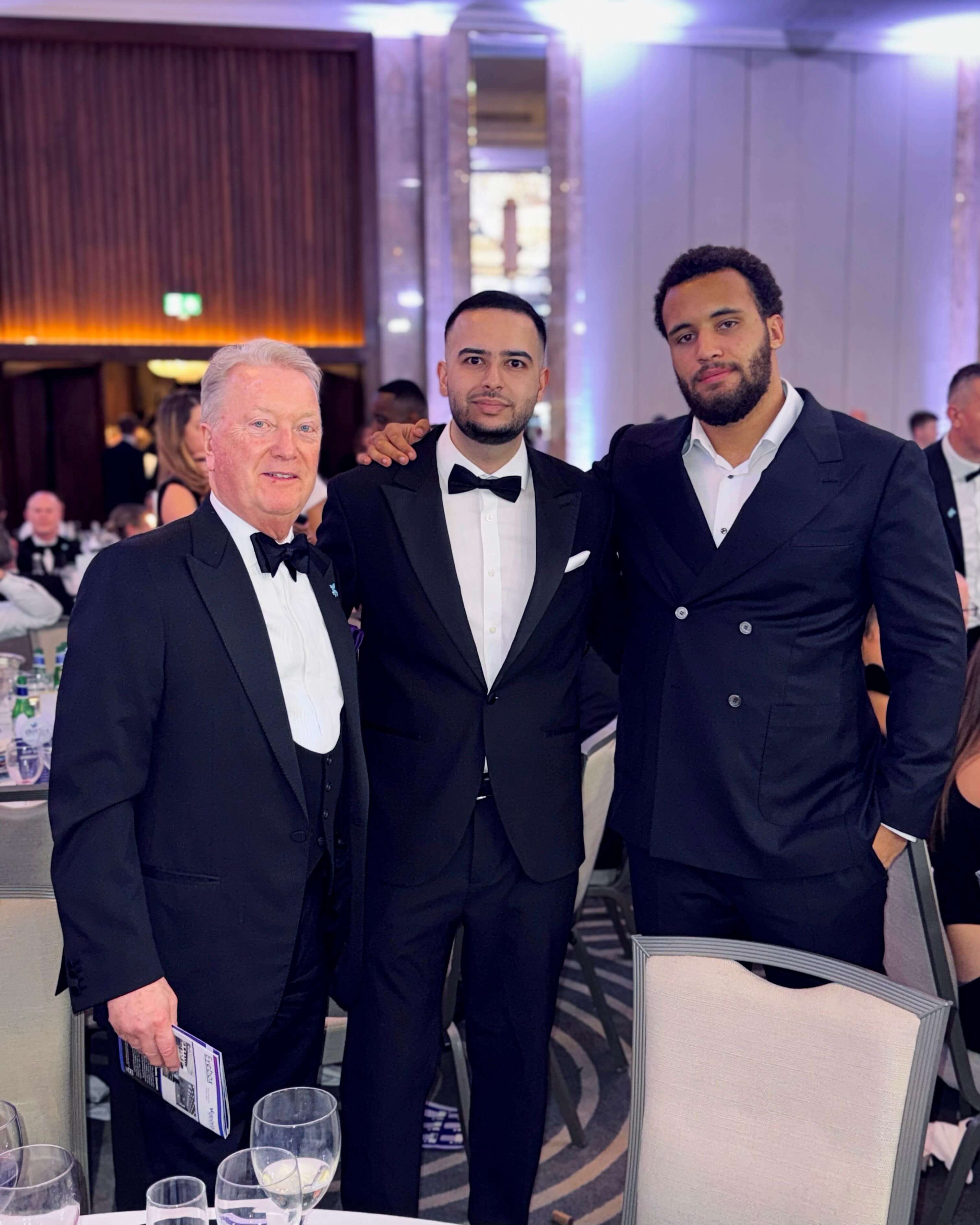
There are a few, but the most defining moment was getting that opportunity at 18 and stepping into a world I had only ever watched from the outside. That chance at IFL TV completely changed my life. Another key milestone was relaunching BoxNation under Queensberry and Frank Warren — growing the platform significantly and receiving the YouTube Silver Play Button after increasing subscribers from around 45,000 to 125,000. That felt like real validation of the work.
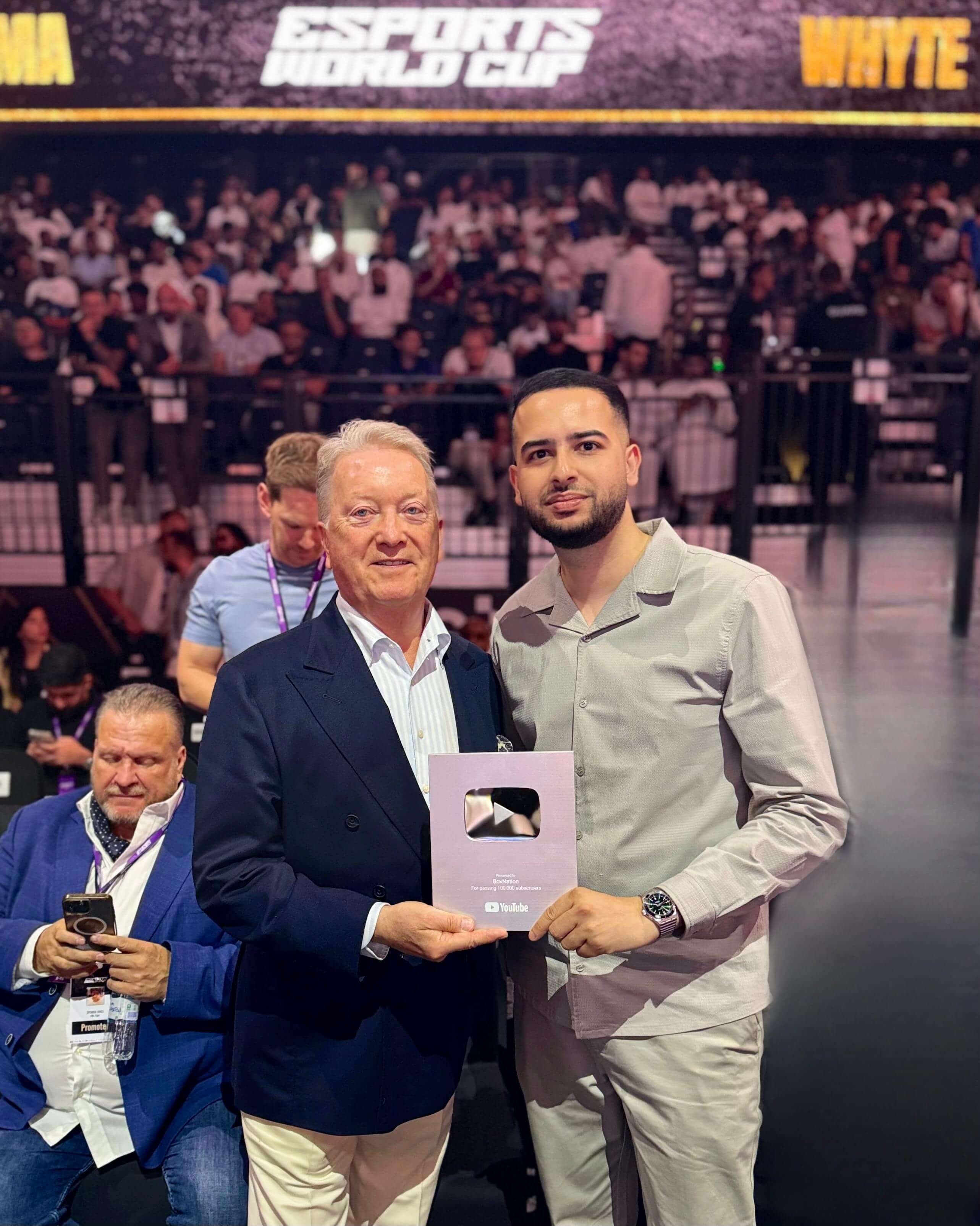
Frank Warren, Umar Ahmed
3. Which fights or events stand out to you the most, and why?
There are many, but a few stand out clearly. My first major assignment was in New York for Terence Crawford vs Amir Khan at Madison Square Garden. I was also present at Andy Ruiz Jr vs Anthony Joshua I — one of the biggest upsets in heavyweight history — and was the first journalist into Ruiz’s dressing room after the fight, which was a special moment. Other standout events include:
- Canelo Álvarez vs Dmitry Bivol
- Tyson Fury vs Dillian Whyte at Wembley
- Oleksandr Usyk vs Anthony Joshua
- Major Riyadh Season events, including both Tyson Fury vs Oleksandr Usyk fights
I’ve also covered events featuring legends such as Canelo Álvarez, Oleksandr Usyk, Tyson Fury, Anthony Joshua, Gennady Golovkin, Vasyl Lomachenko, and Terence Crawford. Being around these names consistently is something I’ll never take for granted.
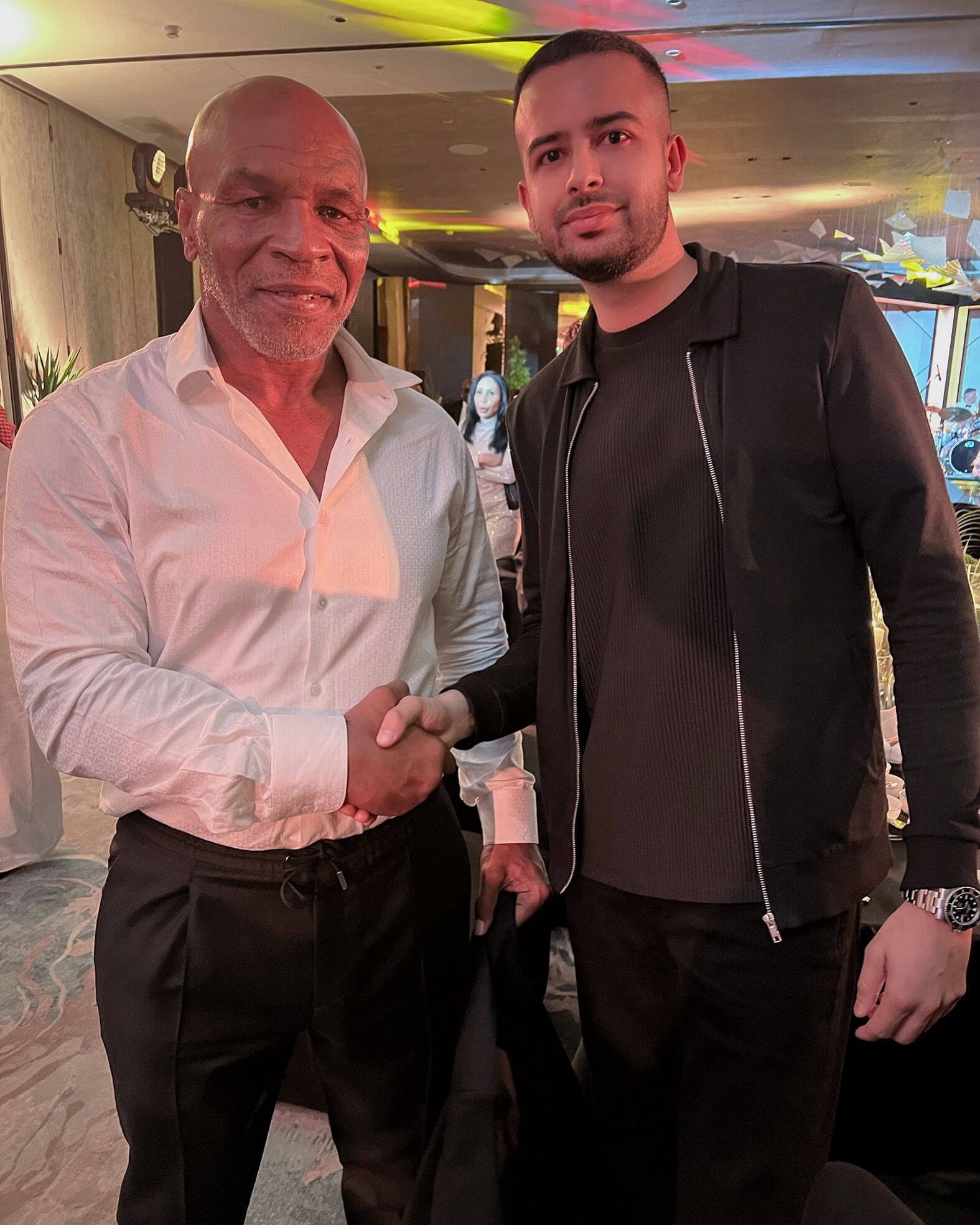
Mike Tayson, Umar Ahmed
4. How different is the reality behind the scenes compared to what fans see?
It’s very different. Fans see the walkouts, the fight nights, the glamour and drama — but behind the scenes it’s long hours, constant travel, pressure, and coordination. There’s a lot of waiting, unpredictability, and an enormous amount of work that goes into producing even a short interview or segment. What looks polished on screen is often chaotic and fast-moving in reality.
5. What is the most valuable lesson you’ve learned from working in this industry?
The most valuable lesson is that relationships and timing matter just as much as talent. Boxing is a small world, and reputation travels fast. Being consistent, respectful, and reliable opens more doors than anything else. I’ve also learned to stay ready — because opportunities can come unexpectedly, just as mine did.
A personal highlight has been spending time with legends like Lennox Lewis and working closely with figures like Frank Warren. That level of access only comes through trust built over time.
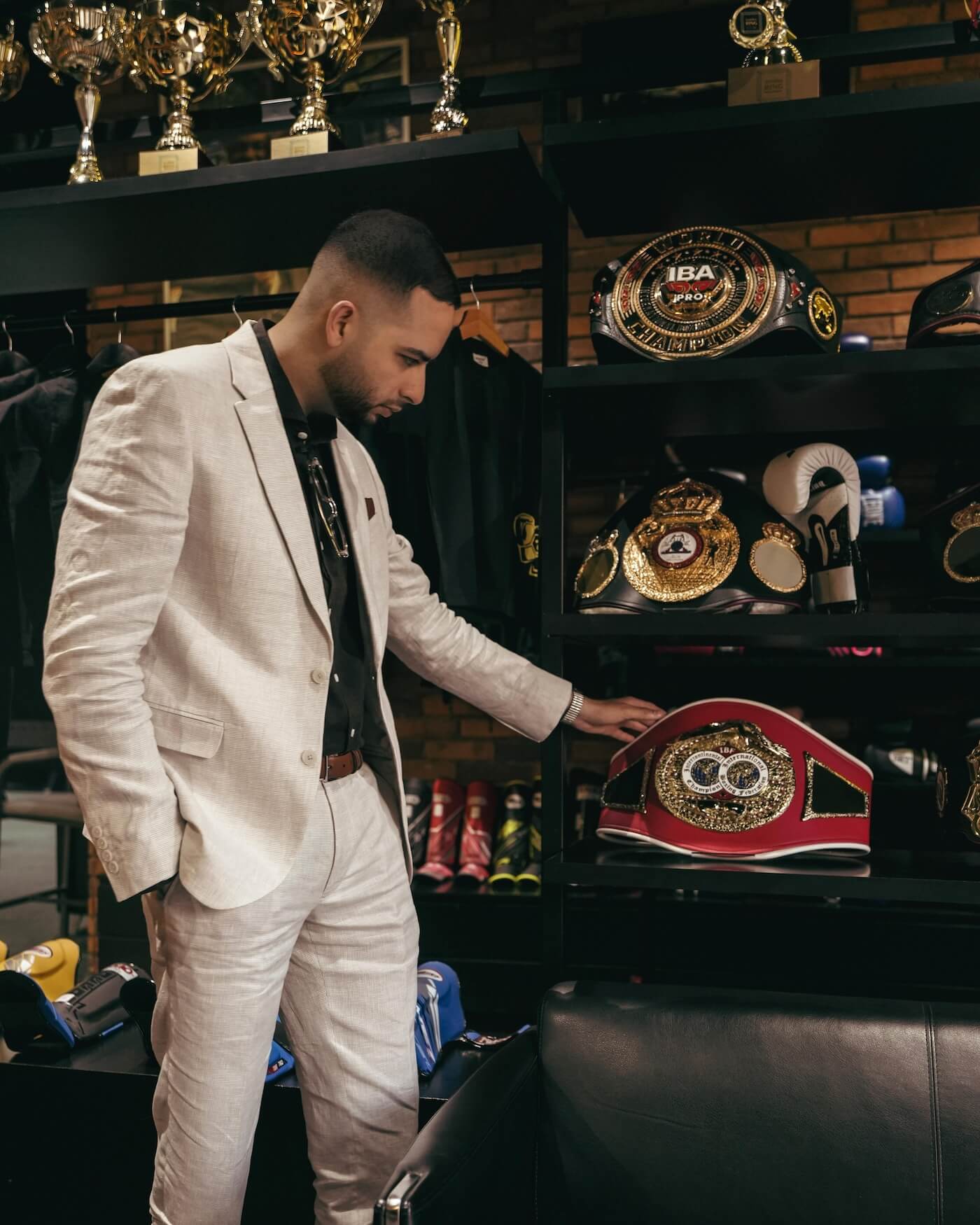
Umar Ahmed
6. Were there moments when you wanted to leave earlier — and what kept you going?
There were definitely challenging moments — long travel schedules, constant pressure, and being away from home. However, I never seriously considered leaving. What kept me going was the access and the experiences. When you’re sitting ringside at Madison Square Garden or interviewing world champions, it’s hard to walk away from that world.
7. Why did you decide to leave London and move to Dubai?
It was a combination of timing, opportunity, and not feeling safe in London anymore. After nearly a decade in boxing media, I felt I had achieved what I set out to do and wanted to explore something new. Dubai offered a fresh environment, strong business opportunities, and a natural crossover between sport, lifestyle, and business — especially with fighters and high-profile individuals already spending time there.
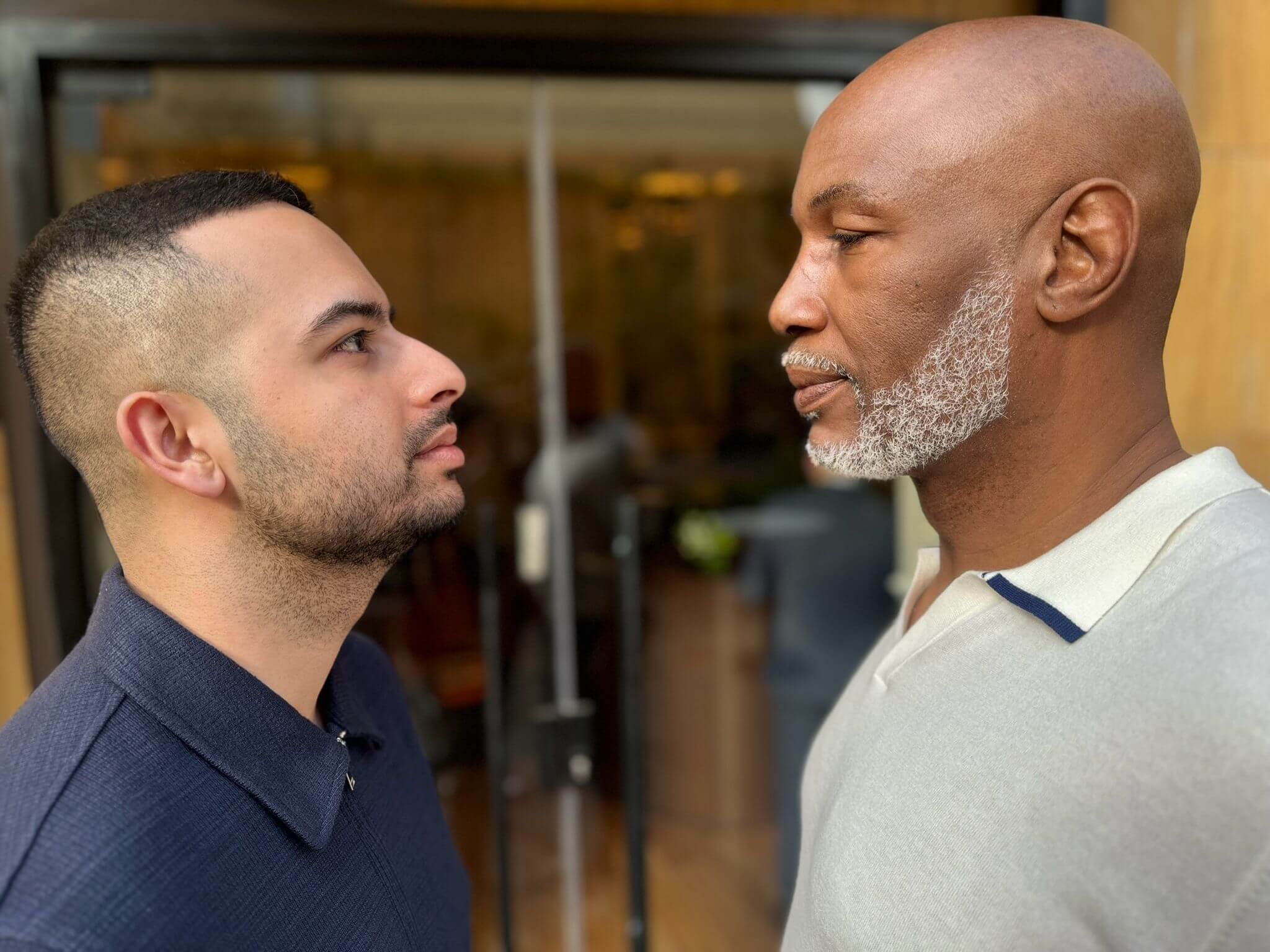
Umar Ahmed , Lennox Lewis
8. What has that move given you in terms of life and opportunities?
It has given me space to reset and think differently. I’ve moved into real estate and deal brokering, particularly working with fighters and clients within that world. I’ve also launched my own platform, Umar’s Lounge — a YouTube and social media lifestyle show distributed in over 200 countries via DAZN, where we bring athletes, fighters, and celebrities into a more personal, luxury environment in Dubai. It’s allowed me to combine media experience with business in a way that feels like a natural evolution.
9. How have your goals changed since stepping away from boxing?
My goals are still connected to sport, but they’re much broader now. Before, it was about building a career in boxing media. Now it’s about building platforms, businesses, and long-term value. I’m focused on ownership, scalability, and creating projects that go beyond simply covering events.
10. Have you left boxing for good, or is this just a transition into a new chapter?
I wouldn’t say I’ve left boxing completely. It’s more of a transition than an exit. Boxing has been my foundation and will always remain part of what I do. Even now, most of my work still connects back to fighters, events, and the industry. The difference is that I’m now approaching it from a broader business and media perspective rather than purely journalism.