GREEN ENERGY AT WHAT COST?
Ukraine’s Carpathians, Europe’s Hydrogen Ambitions and the Price of the Green Transition
Europe’s transition to renewable energy is accelerating, driven by ambitious climate targets, energy-security concerns and the search for alternatives to fossil fuels. Wind power, solar generation and green hydrogen are increasingly presented as essential components of the continent’s future economy. Yet the development of renewable energy raises a question that is becoming increasingly difficult to ignore: can energy truly be described as “green” if producing it requires significant intervention in valuable natural ecosystems?
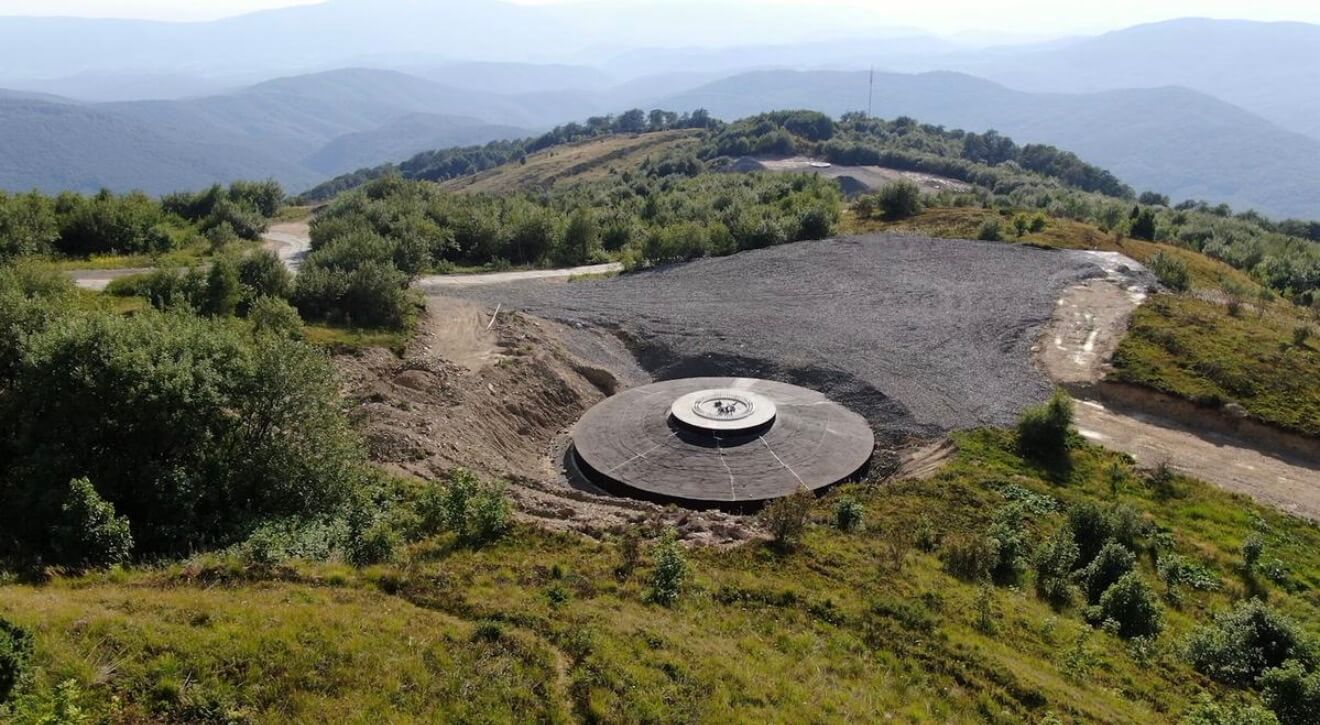
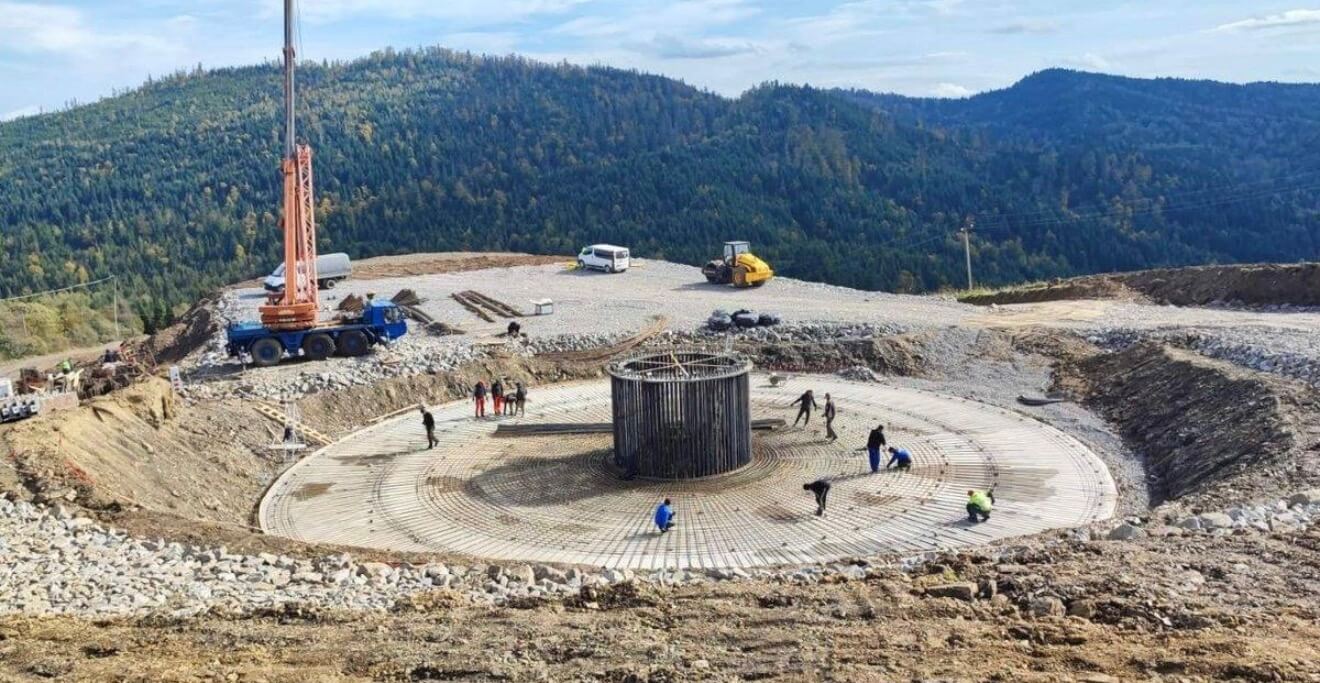
This question has become particularly relevant in Ukraine’s Zakarpattia region, where plans for a major wind-energy project on Polonyna Runa, a mountain plateau in the Carpathians, have generated a serious environmental and public debate. The proposed development envisages up to 30 wind turbines with a total planned capacity of approximately 156 MW. Environmental organisations have raised concerns about the potential consequences of constructing large-scale energy infrastructure in a sensitive mountain environment, including the development of access roads, turbine foundations, electrical infrastructure and grid connections.
The controversy should not be reduced to a simple confrontation between supporters and opponents of renewable energy. Ukraine unquestionably needs new generating capacity, investment and greater energy independence. Renewable energy can play an important role in all three. The central question is therefore not whether Ukraine should develop wind power, but where such projects should be located, what environmental safeguards should apply and whether alternative sites with lower ecological value have been adequately considered.
The issue becomes even more significant when viewed in the context of another major energy initiative being developed in Zakarpattia. Hydrogen Ukraine has publicly described plans for a renewable-hydrogen project involving a 100 MW electrolyser supported by approximately 120 MW of solar generation and 80 MW of wind generation. According to the company’s published project information, the hydrogen could subsequently be transported towards Košice in Slovakia, while proximity to the European Union is presented as one of the strategic advantages of the project’s location in western Ukraine.
There is an important distinction that must be maintained. Publicly available evidence does not establish that electricity generated specifically by the proposed Polonyna Runa wind farm will be used by the Hydrogen Ukraine project or that energy from Runa will ultimately become hydrogen exported to Slovakia. That connection has been suggested by environmental campaigners and discussed in Ukrainian media, but at present it should be treated as a hypothesis rather than an established fact. Nevertheless, the simultaneous development of renewable generation and an explicitly export-oriented hydrogen industry in the same region raises legitimate questions about the future role of Ukraine in Europe’s emerging green-energy supply chain.
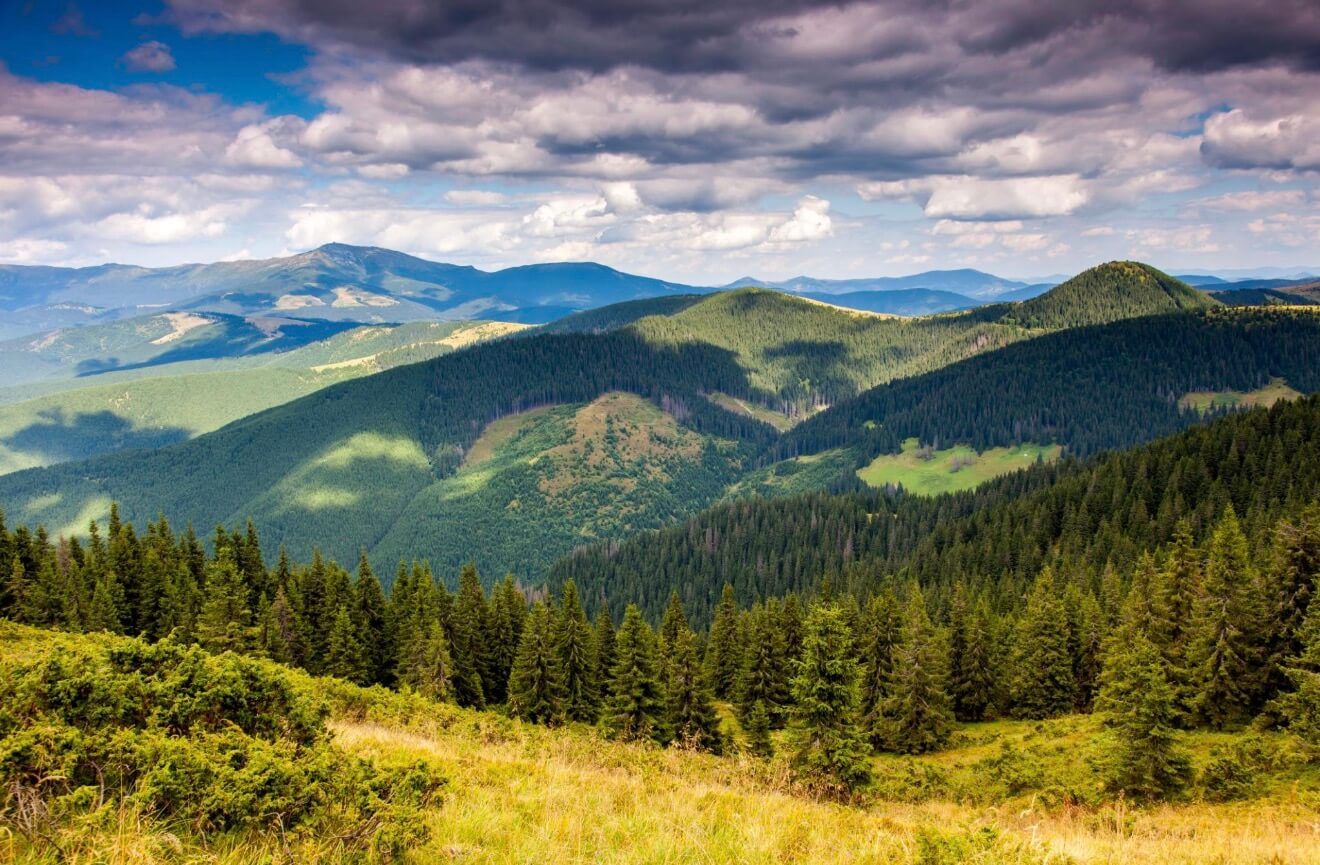
One of those questions is particularly uncomfortable: why should environmentally sensitive areas of the Ukrainian Carpathians potentially carry part of the ecological cost of producing energy or energy commodities destined for European markets? This does not mean that the European Union refuses to construct renewable-energy infrastructure on its own territory. European countries are themselves investing heavily in wind, solar and hydrogen projects, and Slovakia is also developing its renewable-energy sector. But the EU simultaneously operates an extensive environmental regulatory framework designed to protect biodiversity and particularly valuable natural areas. Projects capable of significantly affecting protected territories can be subject to demanding environmental assessments, including additional safeguards associated with the Natura 2000 network.
Ukraine therefore faces an important strategic choice.
Integration into the European energy market could bring substantial benefits: foreign investment, infrastructure, tax revenues, employment, technological development and greater integration with the European economy. Ukraine’s geography, renewable-energy potential and proximity to EU industrial centres could make the country an important participant in the emerging European hydrogen market. However, economic integration should not result in a model in which Ukraine provides land, natural resources and electricity while absorbing the environmental consequences, with the highest-value industrial benefits ultimately realised elsewhere.
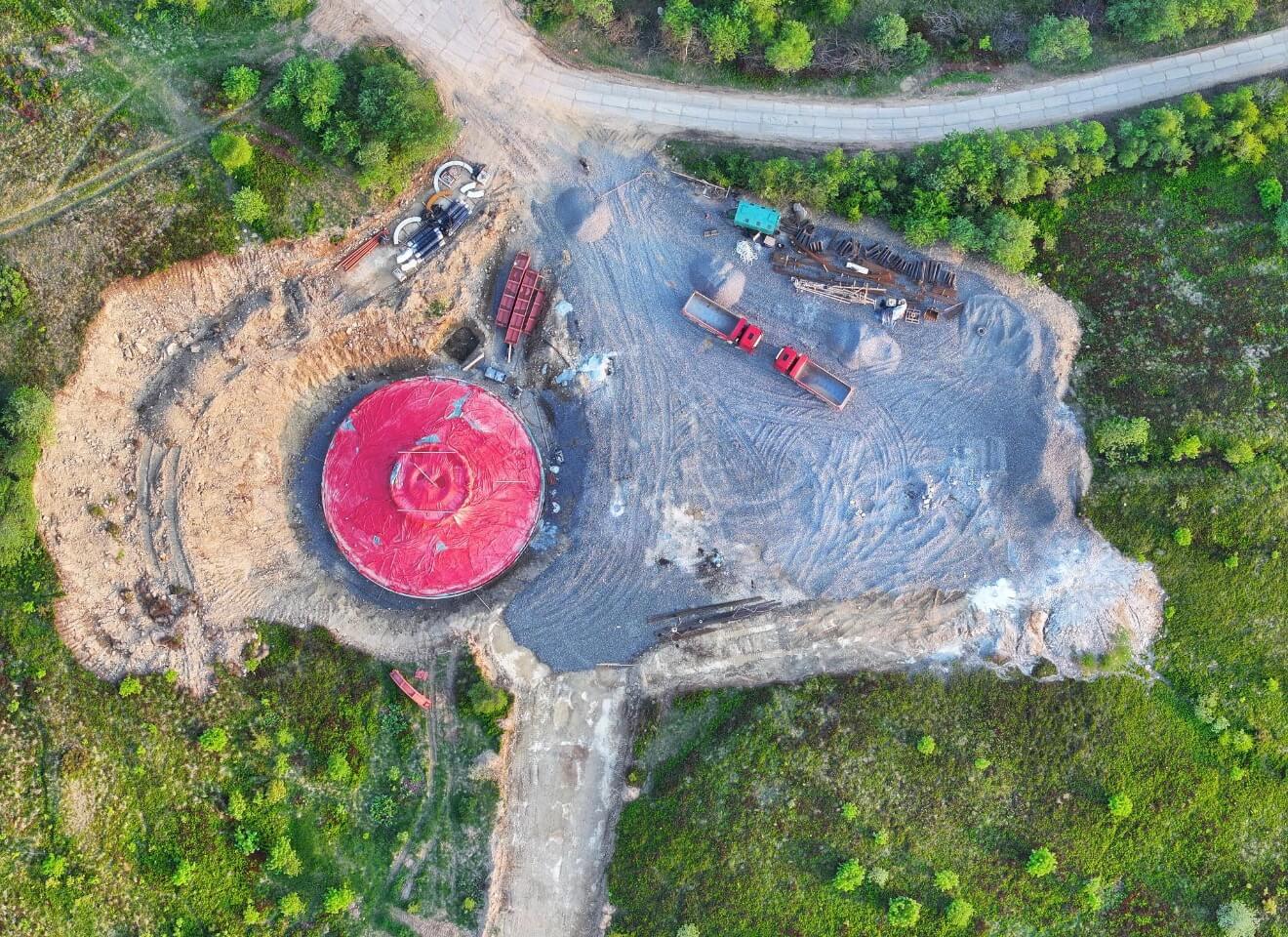
This is why the expression “green energy” itself deserves closer scrutiny. Wind turbines generate electricity without burning coal, oil or natural gas, dramatically reducing operational carbon emissions compared with fossil-fuel generation. But carbon emissions are not the only measure of environmental sustainability. Industrial-scale wind projects require roads capable of transporting enormous turbine components, substantial foundations, electrical substations and transmission infrastructure. In sensitive mountain environments, construction can affect soils, vegetation, water systems, wildlife habitats and landscapes. The environmental impact of a wind farm therefore depends not only on the technology being used but also on where and how it is built.
A wind turbine installed in an already industrialised or environmentally low-sensitivity area and an identical turbine constructed within a valuable mountain ecosystem may generate precisely the same megawatts, but their environmental costs can be very different. Renewable energy cannot therefore be granted an automatic ecological exemption simply because the final product is carbon-free electricity. Genuine sustainability requires governments and investors to consider biodiversity, landscape preservation and long-term ecological consequences alongside carbon reduction.
There is also a fundamental economic question that deserves greater public attention: who receives the value and who carries the cost? If Ukraine is going to provide renewable electricity or green hydrogen for European industry, Ukrainian society has a legitimate interest in understanding how much of the resulting economic value remains inside the country. How many permanent jobs will be created? Where will taxes be paid? Will Ukrainian industries and communities receive access to the energy? What infrastructure will remain locally? What obligations will developers have to restore affected territories? And what mechanisms will exist if environmental forecasts prove inaccurate?
These questions are not arguments against renewable energy, foreign investment or European integration. They are questions that any sovereign country should ask before allowing strategically important natural territory to become part of an international energy supply chain. Ukraine needs investment, particularly as it rebuilds and modernises its economy, but investment should not mean accepting environmental risks without transparent calculations of the long-term national benefit.
The controversy surrounding Polonyna Runa therefore represents something much larger than a dispute over several dozen wind turbines in the Carpathians. It is a case study in one of the defining dilemmas of the global energy transition. Europe wants cleaner energy, industry wants green hydrogen and investors want access to locations capable of producing both competitively. Ukraine has the geography and renewable resources to participate in that market. The challenge is ensuring that participation does not transform environmentally valuable Ukrainian landscapes into an invisible cost hidden behind Europe’s increasingly green statistics.
The green transition will inevitably require infrastructure, investment and difficult compromises. But if sustainability is to mean anything, the environmental standards applied to that transition cannot stop at the European Union’s borders.
Ukraine should not have to choose between economic development and preservation of its natural heritage when careful planning can demand both.
The real question is therefore not whether Europe and Ukraine should develop green energy. They should. The question is whether the economic benefits, environmental responsibilities and long-term consequences are being distributed fairly. Because energy cannot be considered truly green only at the point where it is consumed. It must also be green where it is produced.