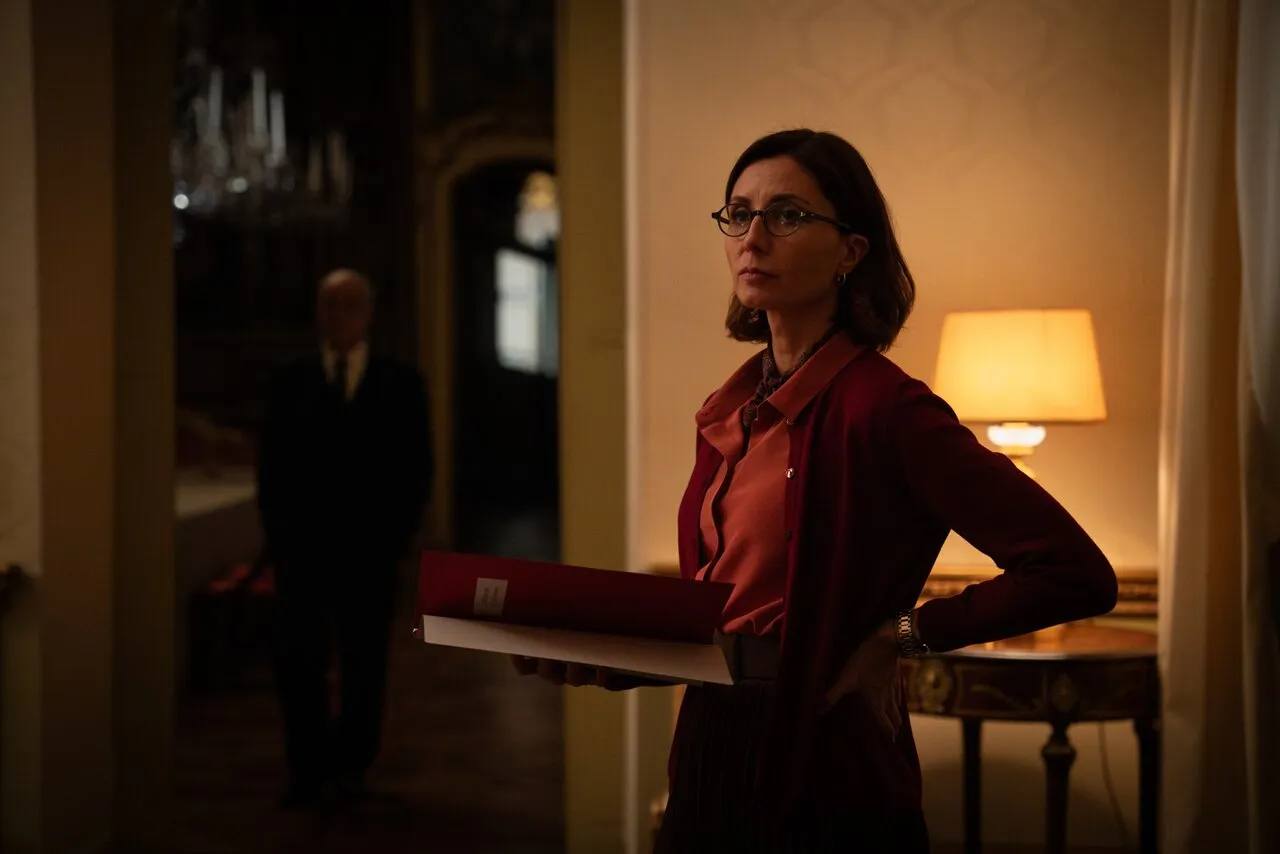
“La Grazia”: A New Film by Paolo Sorrentino on the Nobility and Humanity of a President at the 2025 Venice Film Festival
Andrea PIrrello
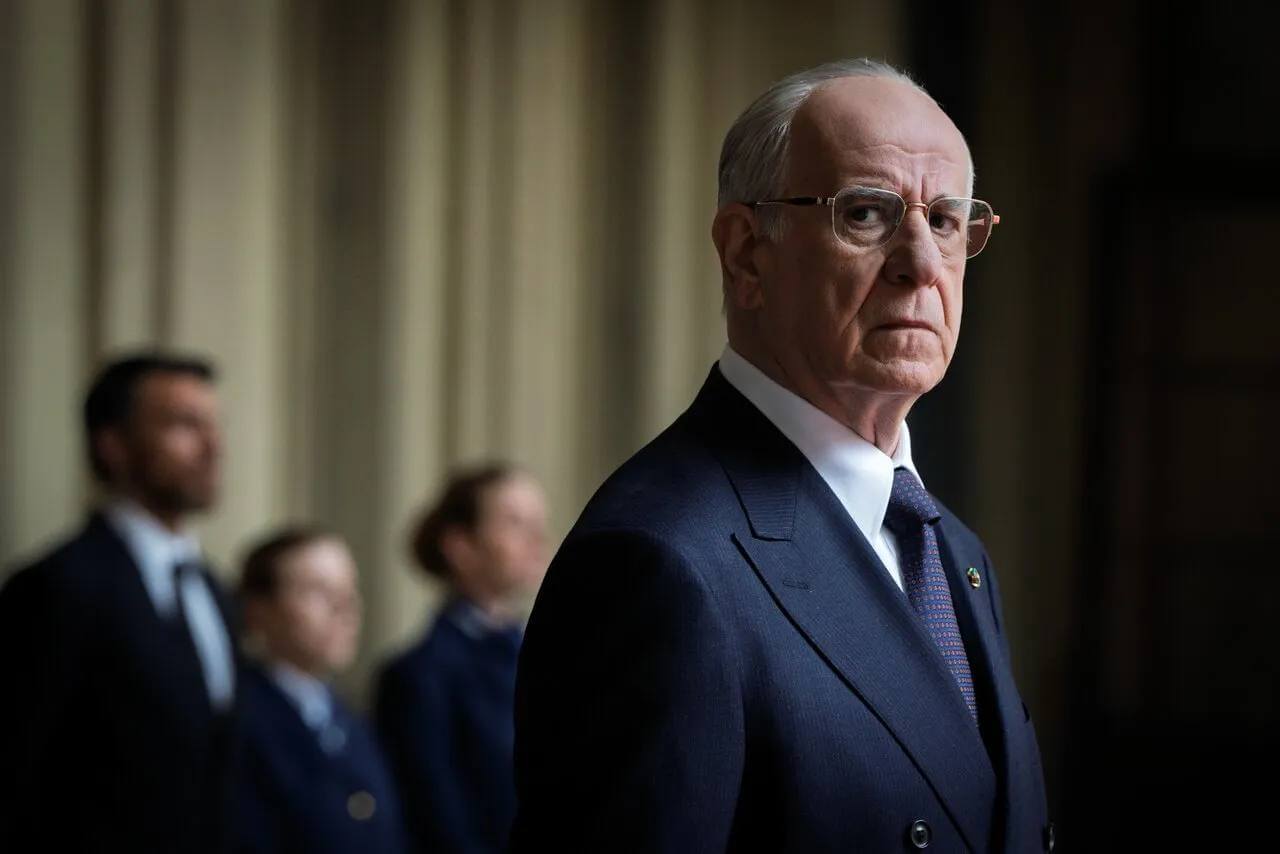
Venice 2025. The International Film Festival opened with the premiere of Paolo Sorrentino’s new film — “La Grazia.” At the center of the story is an extraordinary president who truly upholds the law and is a good person.
The 82nd International Film Festival in Venice kicked off with an impressive program, featuring works by masters like Jim Jarmusch and the film “Kremlin Wizard” about Vladimir Putin. Film critic Anton Dolin will provide daily updates on the festival’s main premieres, starting with the opening film — Paolo Sorrentino’s “La Grazia,” in which his longtime collaborator Toni Servillo plays a fictional president on the verge of retirement.
Andrea PIrrello
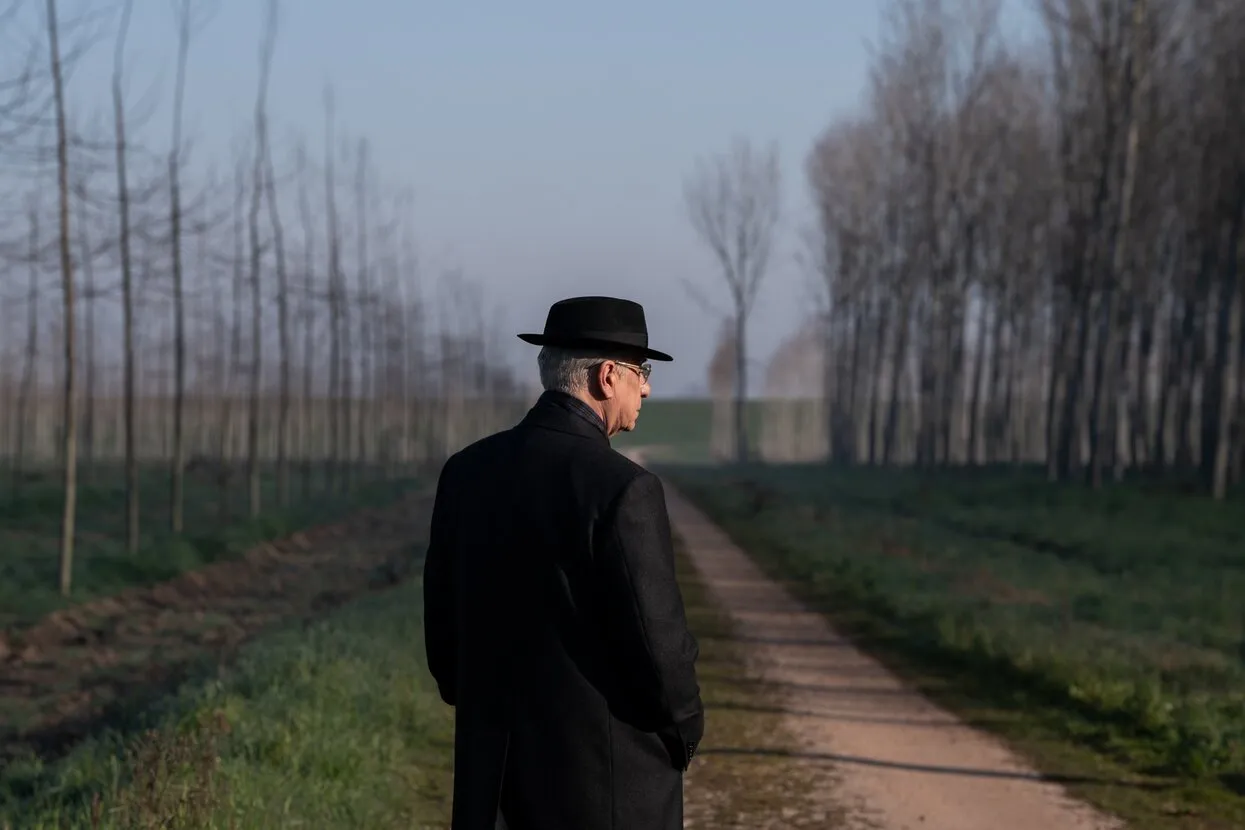
Sorrentino is a prominent figure in Italian cinema, embodying its strengths and weaknesses, beauty and oddities. Therefore, opening the festival with a film featuring local stars is an elegant choice. The 66-year-old Servillo, who came to cinema from the theater, has previously portrayed well-known politicians like Giulio Andreotti and Silvio Berlusconi, but his new character, President of Italy Mariano de Santis, is entirely fictional and reminiscent of his earlier roles.
Sorrentino’s new film differs from the recent “Parthenope” with its unhurried melancholy. The main character, like many of the director’s protagonists, is a man in crisis, but this time he is facing old age and reflecting on life, his children, and lost love. The world of the film, while reflecting Italian stereotypes, presents a lyrical portrait of a personality rather than an epic narrative of the country.
Andrea PIrrello
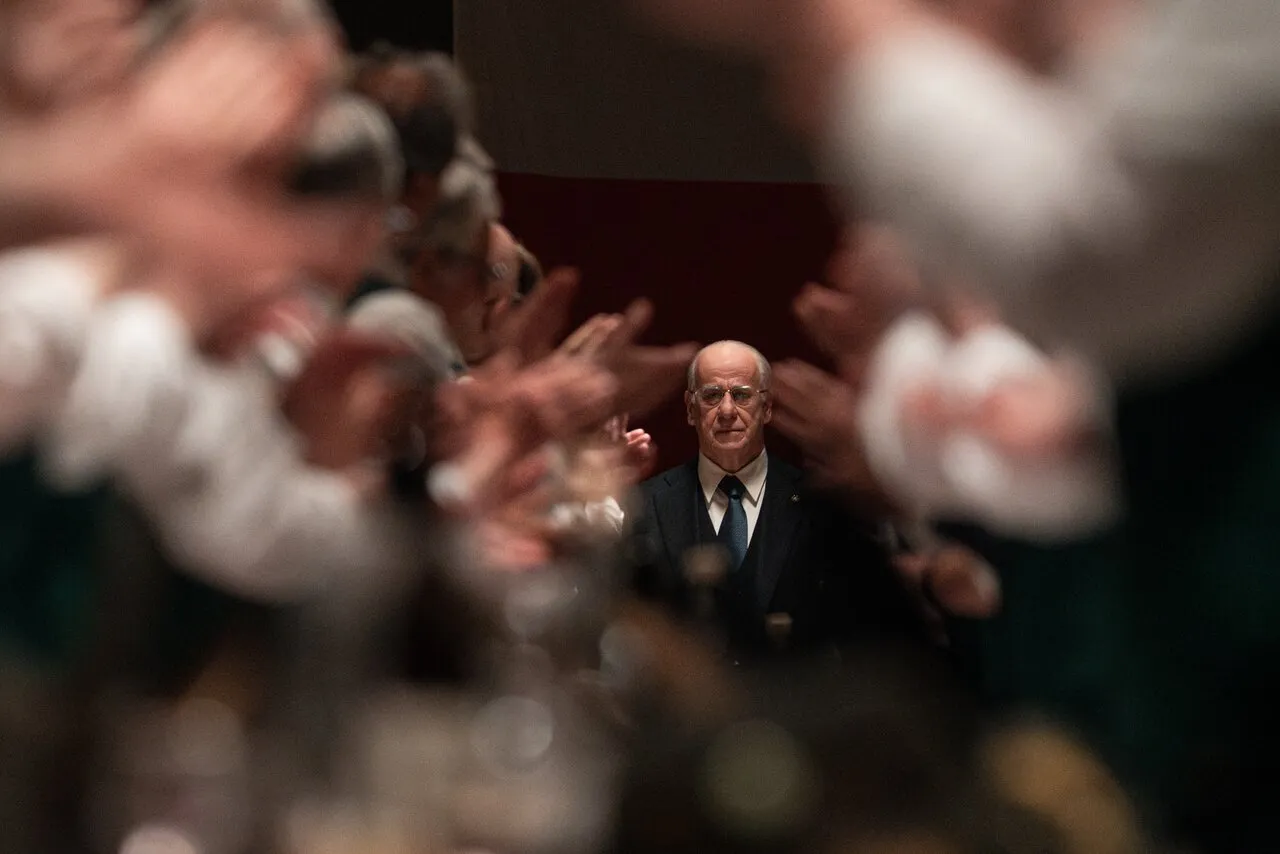
“La Grazia” is a title that is difficult to translate; it can mean “grace,” “mercy,” or “pardon,” reflecting the inner experiences of the president as he bids farewell to his high office. The three intertwined plots — two criminals whom he may pardon and the question of legalizing euthanasia — serve not for public debate but to create the image of an almost ideal president.
De Santis is portrayed as a man to be proud of. He is devoted to his late wife, cares for his children, and is unafraid to show vulnerability. His humanity and ability for self-criticism evoke sympathy. He maintains childhood friendships and grapples with the choice between compassion and harshness, making his character even more multifaceted.
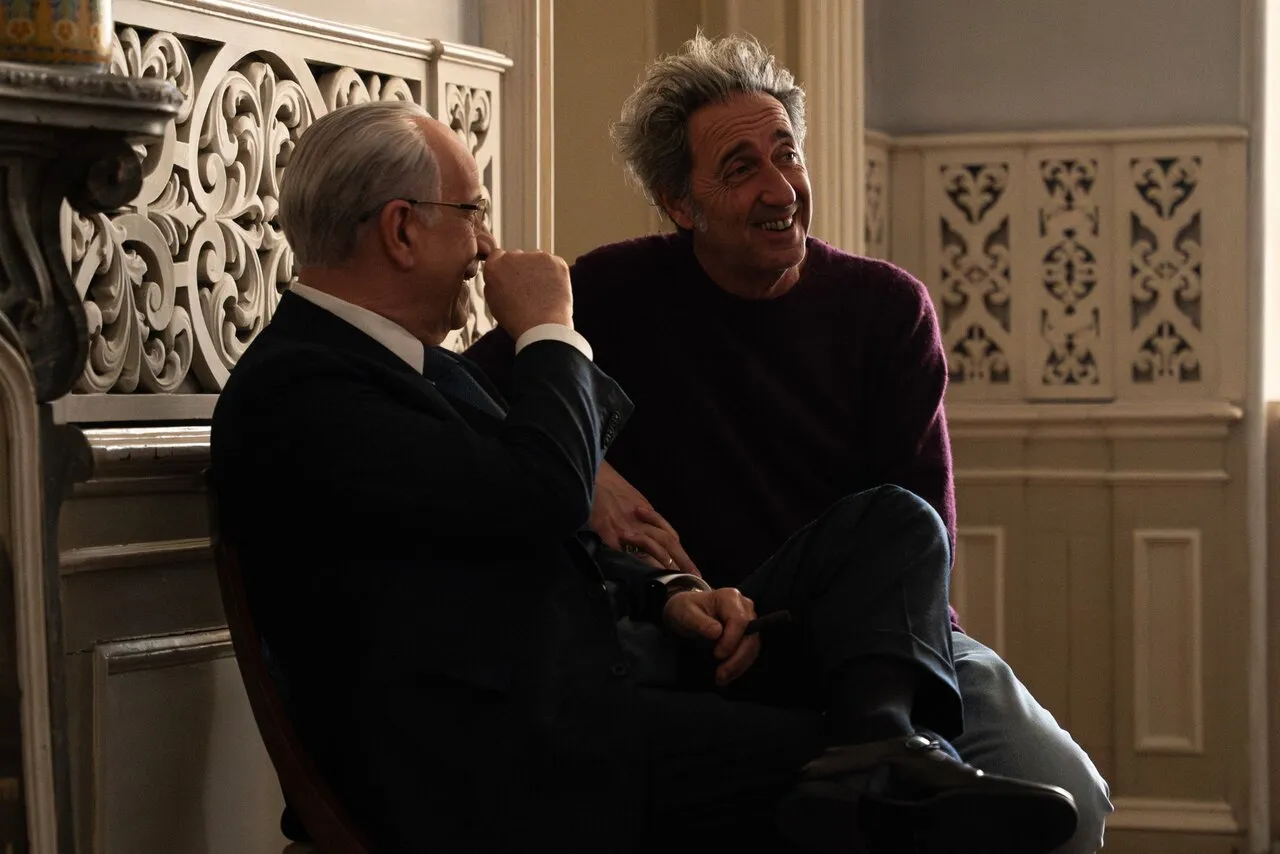
Andrea PIrrello
The film showcases the visual virtuosity characteristic of Sorrentino’s works. His aesthetic serves not for self-admiration but for profound reflections on human weaknesses. The contrast between beauty and the transience of life becomes the central theme, creating a dream of a politician who upholds the law and remains a good person. In reality, such politicians could indeed bring grace.