The Hidden Engines: Inside the 2025 Monaco Yacht Show’s Revolution
 Text by: Anna Dianova Chirakh
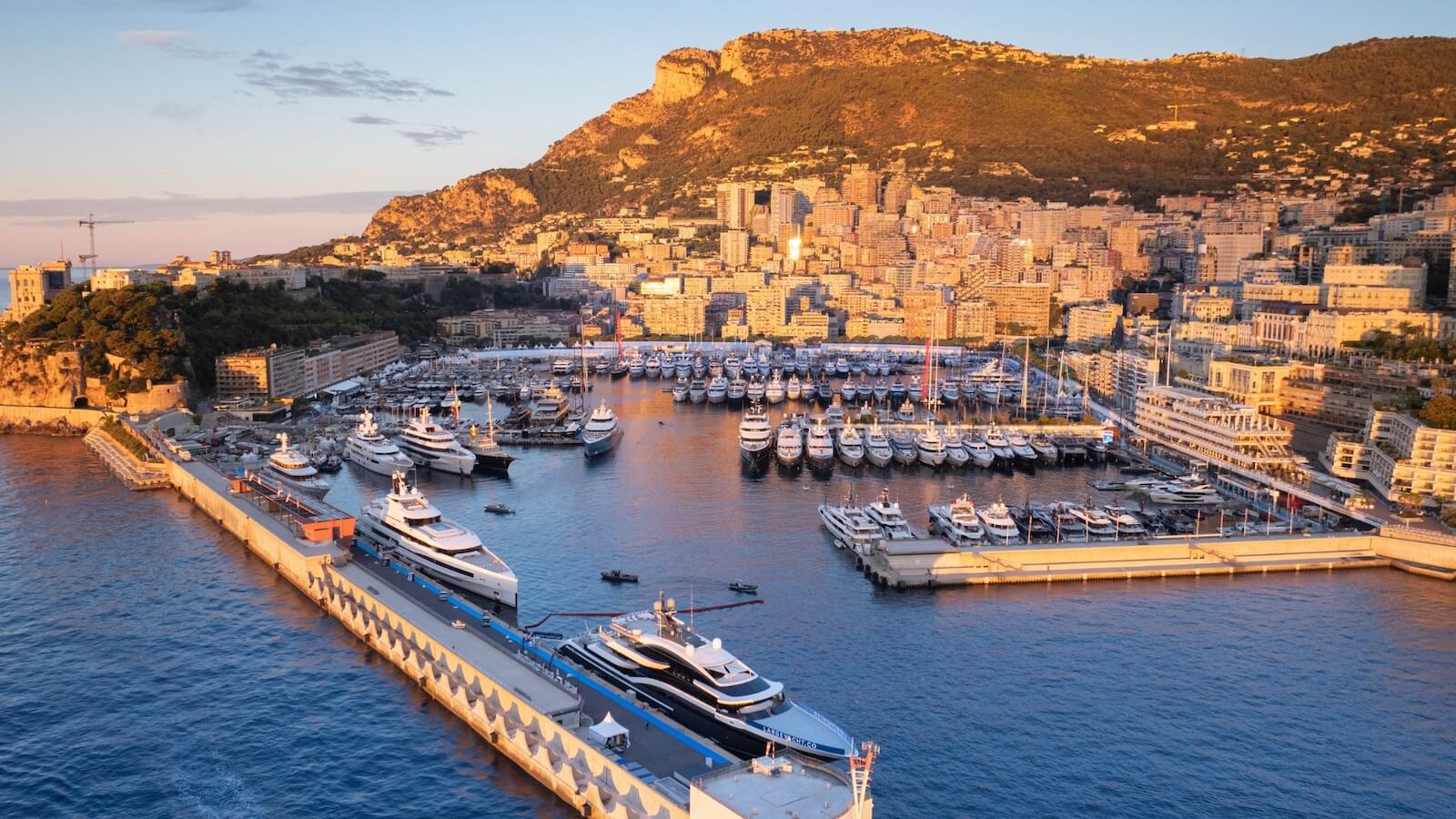
Port Hercule has always sold a fantasy: light on lacquered teak, a choreography of tenders and tuxedos, the ritual handshake on a passerelle as if the sea itself were a members-only club. In 2025, Monaco kept the theater, but changed the script. Between 24 and 27 September, the superyacht world staged its most curious performance yet: a conservative culture learning to smuggle tomorrow into its most traditional rooms.
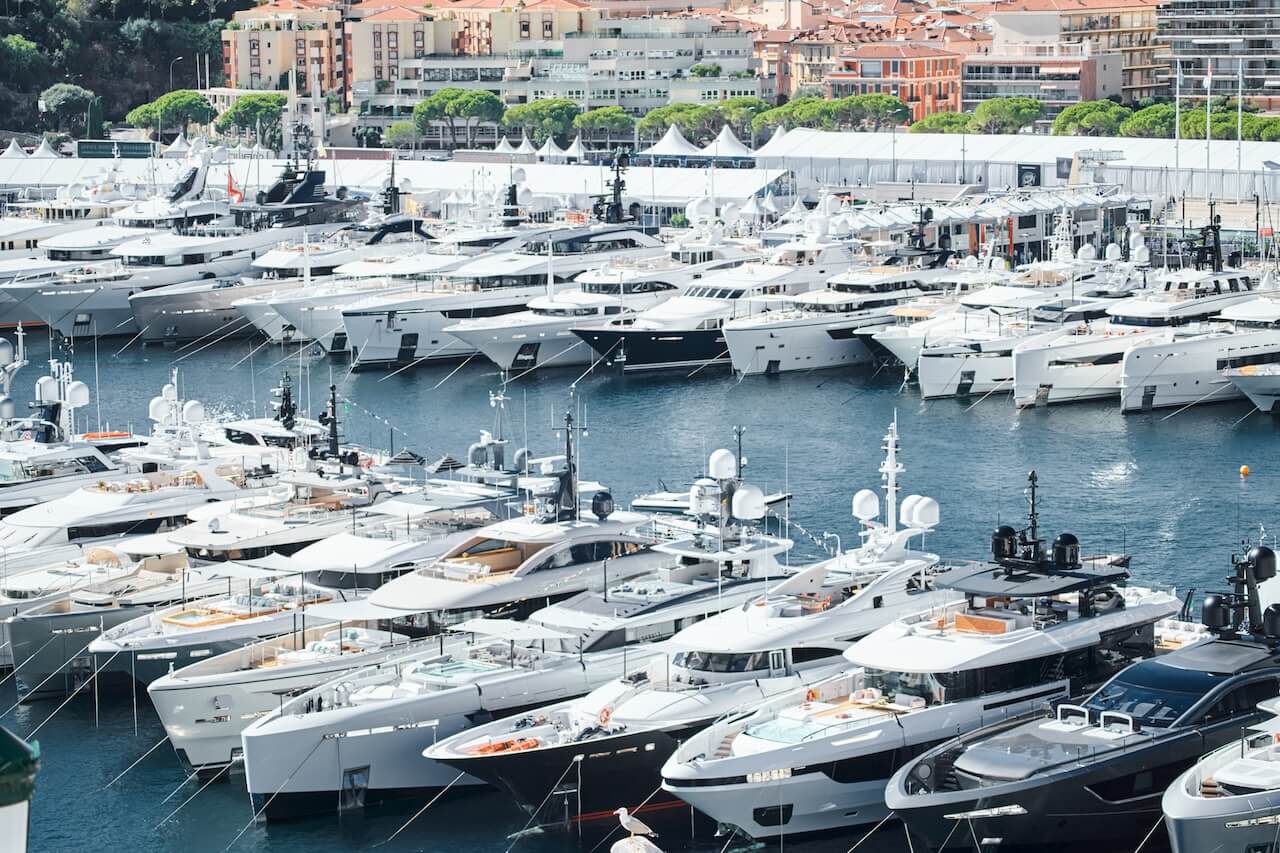
The numbers telegraphed the pivot before the speeches began. Organisers talked up a record roster of around 120 superyachts and some sixty tenders; news desks on opening day counted 115–116 boats actually moored alongside, stretching roughly five and a half kilometres of the quay. The average length ticked slightly down from last year. That isn’t a failure; it’s a mood. Monaco 2025 wasn’t about one monster eclipse – it was about a fleet quietly competing on engineering, energy, and intelligence rather than sheer tonnage.
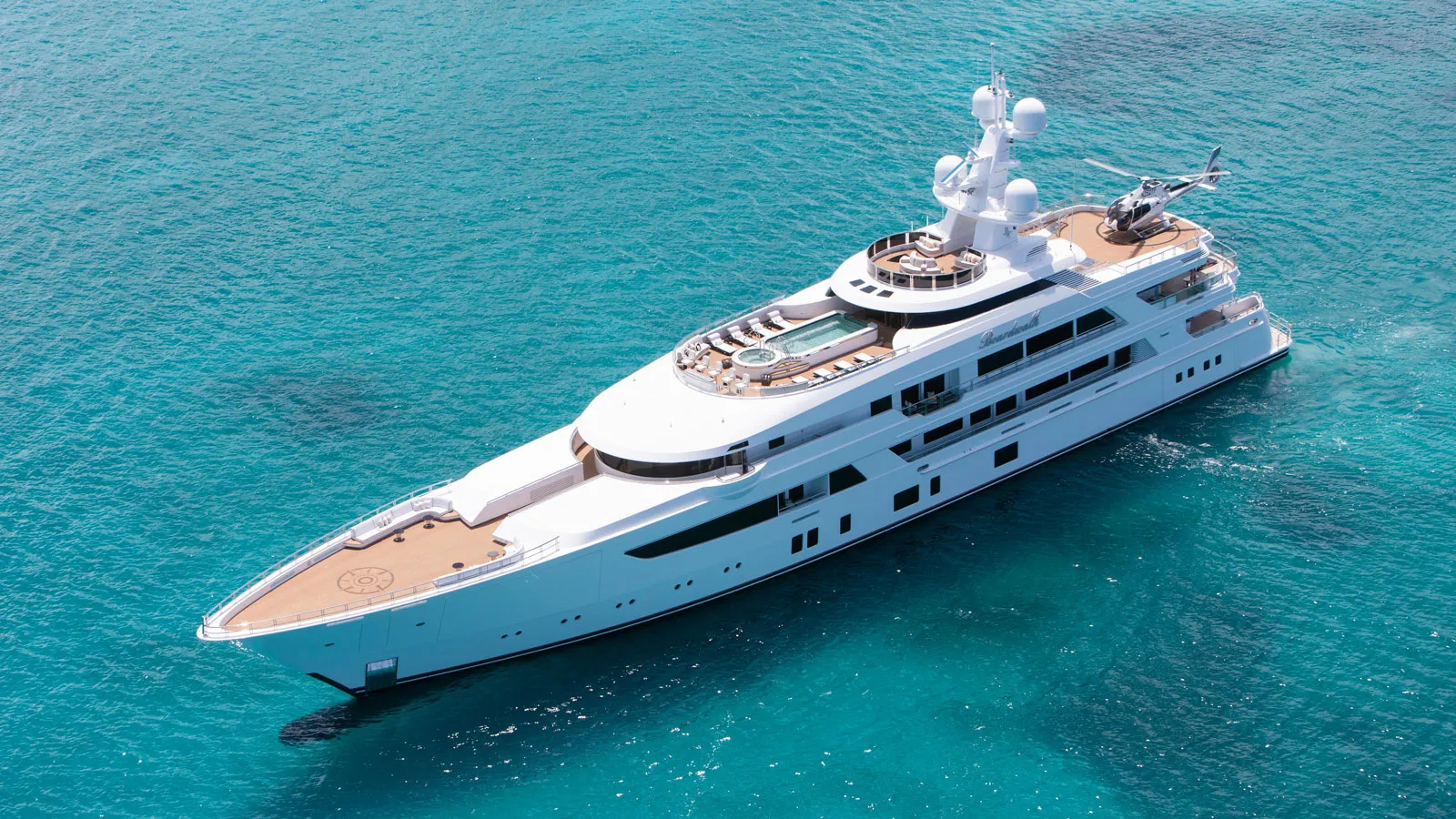
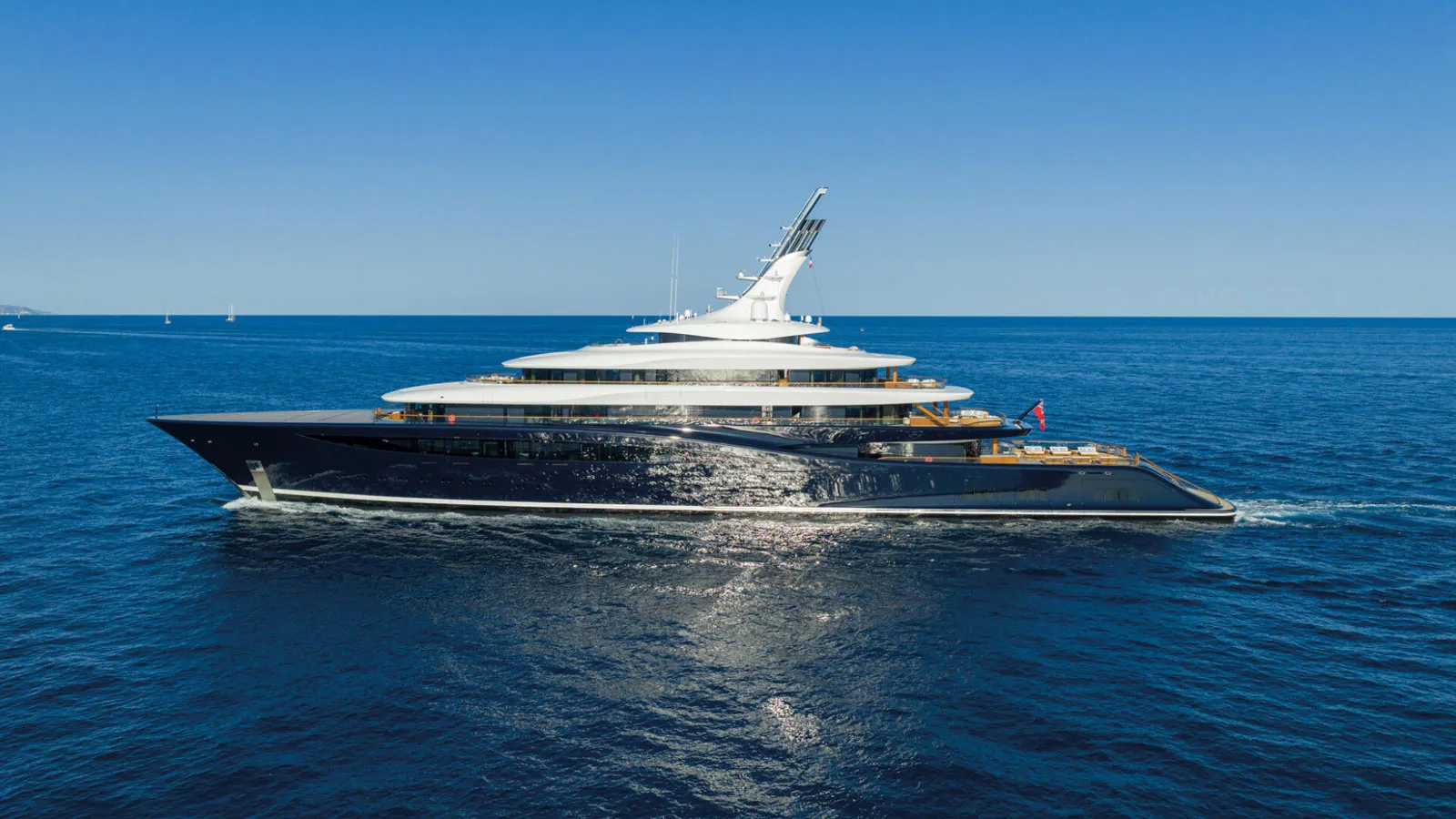
There was still a sovereign to point at. With Feadship’s 118.8-metre Breakthrough withdrawn at the eleventh hour after a headline sale, the crown for “largest in show” passed to Mar, Benetti’s 107-metre statement piece – 3,900 GT of soaring interiors, beach-deck drama and the sort of restrained Italian confidence that lands a boat on every short list that matters. Mar’s ascension reads less as gossip than as a reminder: the biggest number is now a subplot. The plot is what lives under the marble.
Monaco formalised that shift with something more consequential than a pavilion: Blue Wake, a new vetted track for genuinely low-impact technologies. It came with rules, a jury, and – on the Grand Opening Night at Le Méridien Beach Plaza – its first set of awards. The winners told you where the engineering heat is. TYKUN was recognised for a production-ready hydrogen system for tenders; Tai Ping for undyed, biodegradable rugs that pare back water and energy use in the fit-out supply chain; Deasyl for a low-energy, low-CO₂ alternative fuel; Sanlorenzo for integrating a Siemens Energy reformer fuel-cell that feeds green hydrogen from methanol to provide up to 100 kW of silent, emission-free “hotel” power at anchor; and a Special Jury Award to Silver Yachts’ aluminium catamaran REDUCE, an Espen Øino-drawn exercise in recyclable structure and low-resistance efficiency. In a sector long accused of self-certifying its conscience, Blue Wake’s message was brisk: bring data or bring silence.
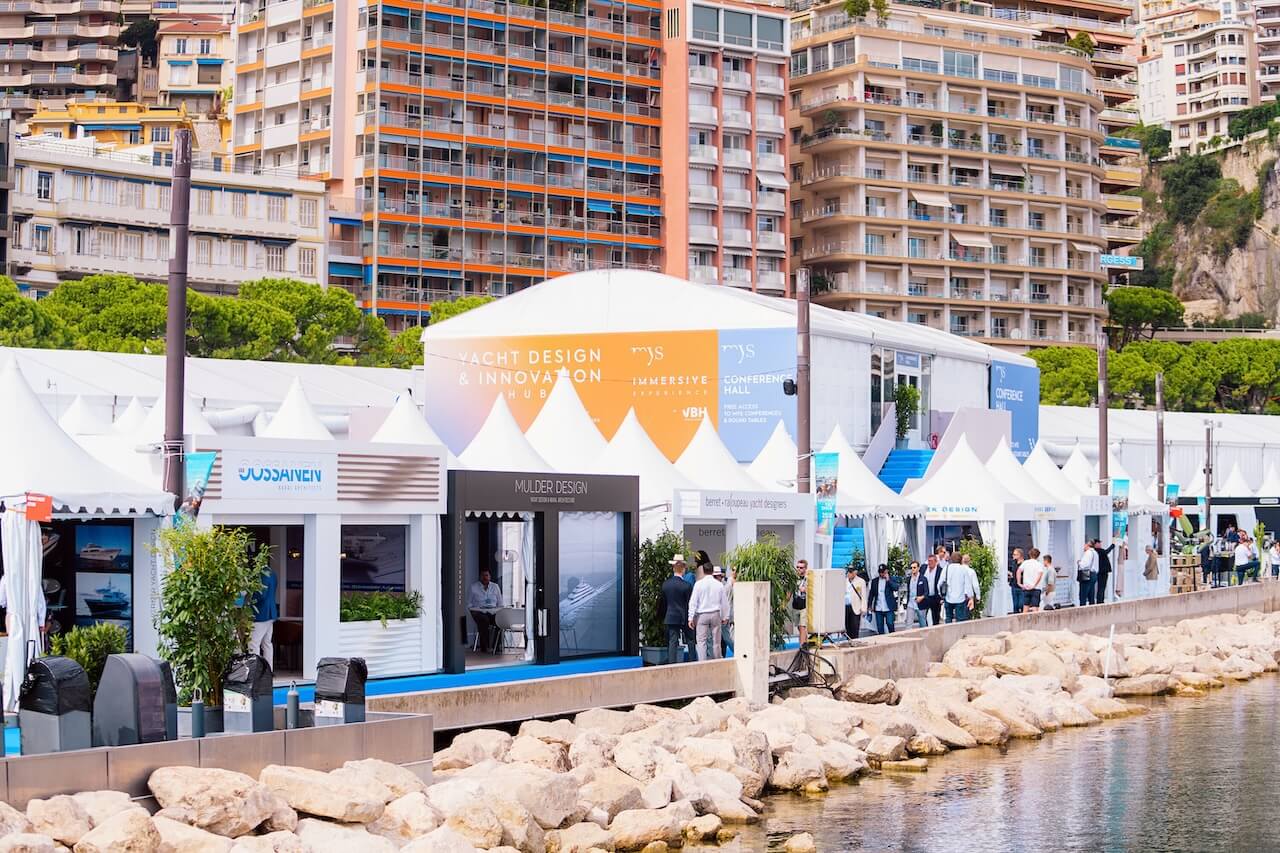
Across the quays, the promised future arrived not as a spectacle but as an interface. The Yacht Design & Innovation Hub traded bombast for immersion: clients stepping into unbuilt spaces, walking through cabins that exist only as geometry and light, toggling between layouts and material palettes while naval architects described the weight penalties and energy budgets behind the pretty surfaces. The new Innovation Deck did the rest of the pedagogy, tracing the long arc from diesel hegemony to hybrid architectures, digital twins and AI-assisted energy management. This is how the old world learns new tricks – by letting tomorrow feel familiar underfoot.The boats themselves were the arguments. Mar drew predictable crowds, but the sharpest conversations clustered around systems rather than spas. On multiple builds, dual-fuel flexibility is becoming a design assumption: the ability to swap between diesel, biofuel, methanol-derived hydrogen and batteries depending on geography and infrastructure.
Several Northern-European yards showcased battery-augmented hotel loads and power-dense machinery suites designed to be swapped in-service – modularity as a hedge against technological half-life. Meanwhile, Breakthrough – even in its absence – haunted the docks like a thesis: hydrogen fuel cells for hotel loads, hybrid diesels for passage, cryogenic storage as part of the naval architecture rather than a science project bolted on after the christening. The point wasn’t who had the longer pool; it was who had the more credible path to silence and range.
If Monaco still needed a set piece, Royal Huisman provided one in concept form: AERA, a 50-metre hybrid sailing catamaran with an automated wingsail and fuel-cell energy ecosystem, pitched not as utopia but as a ready-for-contract platform under 500 GT. The visual language is clean, but the subtext is pure systems engineering – automated aerodynamics to trade diesel for apparent wind, a hotel grid that behaves like a patient organism rather than a glutton, and an owner’s brief that reads like a carbon budget with taste. Call it a yacht for people who like their poetry to do work.
Inside the conference hall, the tone hardened. The Monaco Yacht Summit spent less time congratulating design ateliers and more time arguing over infrastructure: hydrogen bunkering that doesn’t exist at scale; methanol supply lines that wobble when you leave the Baltic; the Catch-22 of regulation that wants proof and owners who don’t want to be the proof. There was talk, too, of AI moving from brochure to bridge – predictive maintenance, HVAC systems that learn guest patterns, route planning that treats fuel state, sea state and grid carbon intensity as one problem. The phrase of the week was the ever-repeated “credible pathway.” In Monaco, that now means independent vetting, lifecycle math, and systems you can swap without tearing out the soul of the boat.
The friction is real. The industry’s memory for failed tech is long, and reputational risk travels faster than any tender. Most of the bravest packages debut on 70–120-metre platforms where budgets and crew sizes can absorb learning curves; scaling down is the next hard problem. And greenwashing hasn’t been exorcised by decree – there are “hybrids” that will spend ninety percent of their life on diesel. But 2025 felt like a line finally crossed: the year Monaco stopped promising transformation and began operationalising it.
It helps that the aesthetics didn’t blink. On the water, clients still found the classical proportions, the shadow gaps and minute millwork that money buys when time is allowed to pass through human hands. In the machinery spaces and switchboards – the places Monaco rarely puts on Instagram – the symmetry now has a purpose: redundancy as design, silence as deliverable, carbon as constraint. The result is subtle. That is the paradox the show managed to stage without saying it aloud: tradition as keel, innovation as sail. Monaco preserved its rituals, now tuned to the cadence of sustainability.