Why Residents of Dubai Should Not Worry About Possible Food Shortages
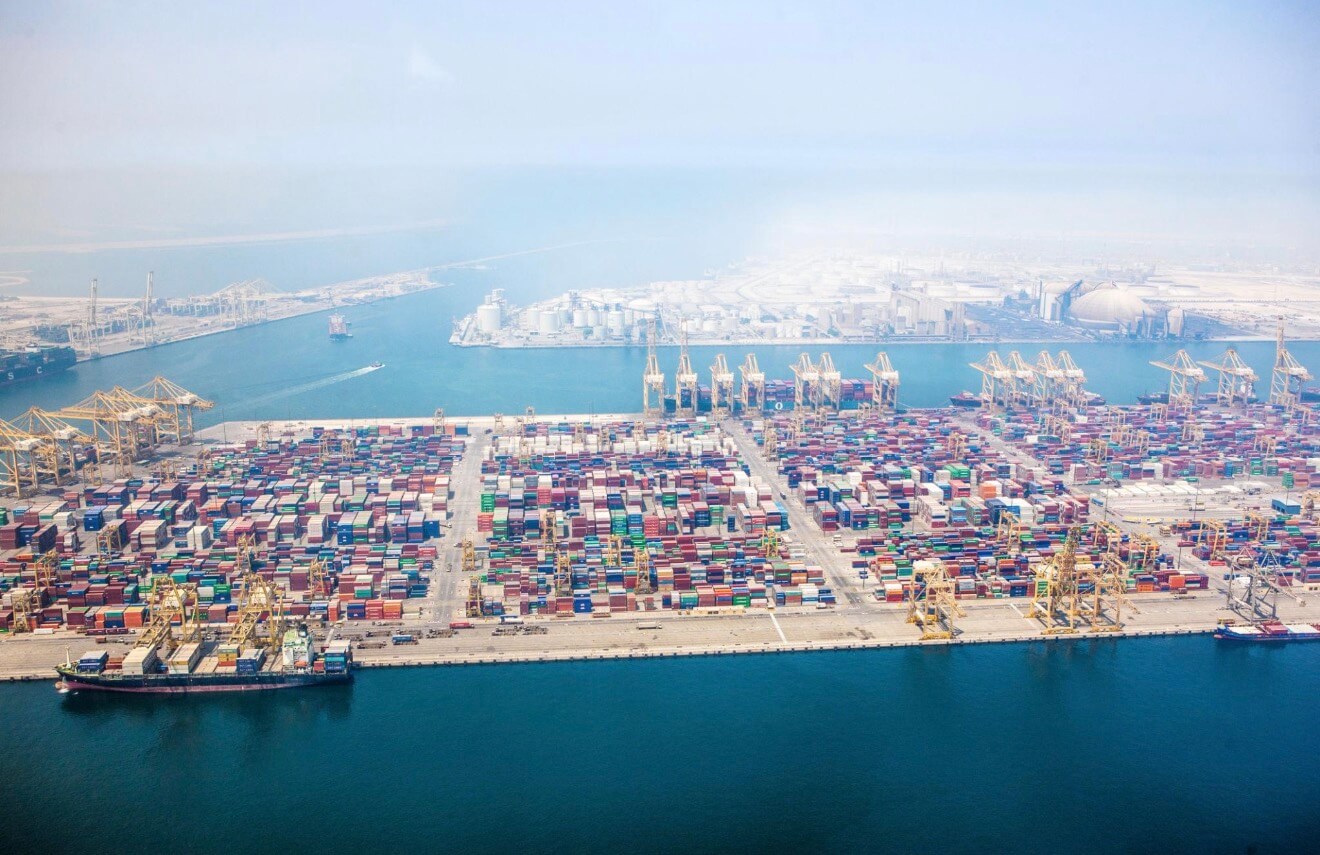
Dubai’s Port and Logistics
During periods of political tension in the Middle East, many people naturally begin to worry about basic necessities such as safety and the availability of food. When news reports mention conflicts or possible disruptions to major shipping routes, concerns arise that food supplies might be interrupted. However, for residents of Dubai there is little reason for panic. The economic and logistical systems of the UAE are designed to withstand such challenges and maintain stable supply chains.
One of the main reasons for this stability is that Dubai has long been one of the world’s largest trade and logistics hubs. Enormous flows of goods pass through the city from Europe, Asia, Africa, and Australia. A key role is played by Jebel Ali Port, the largest port in the Middle East, through which thousands of containers with various goods—including food products—pass every day. Thanks to its advanced infrastructure and multiple transportation routes, supplies can quickly be redirected if disruptions occur in a particular region.
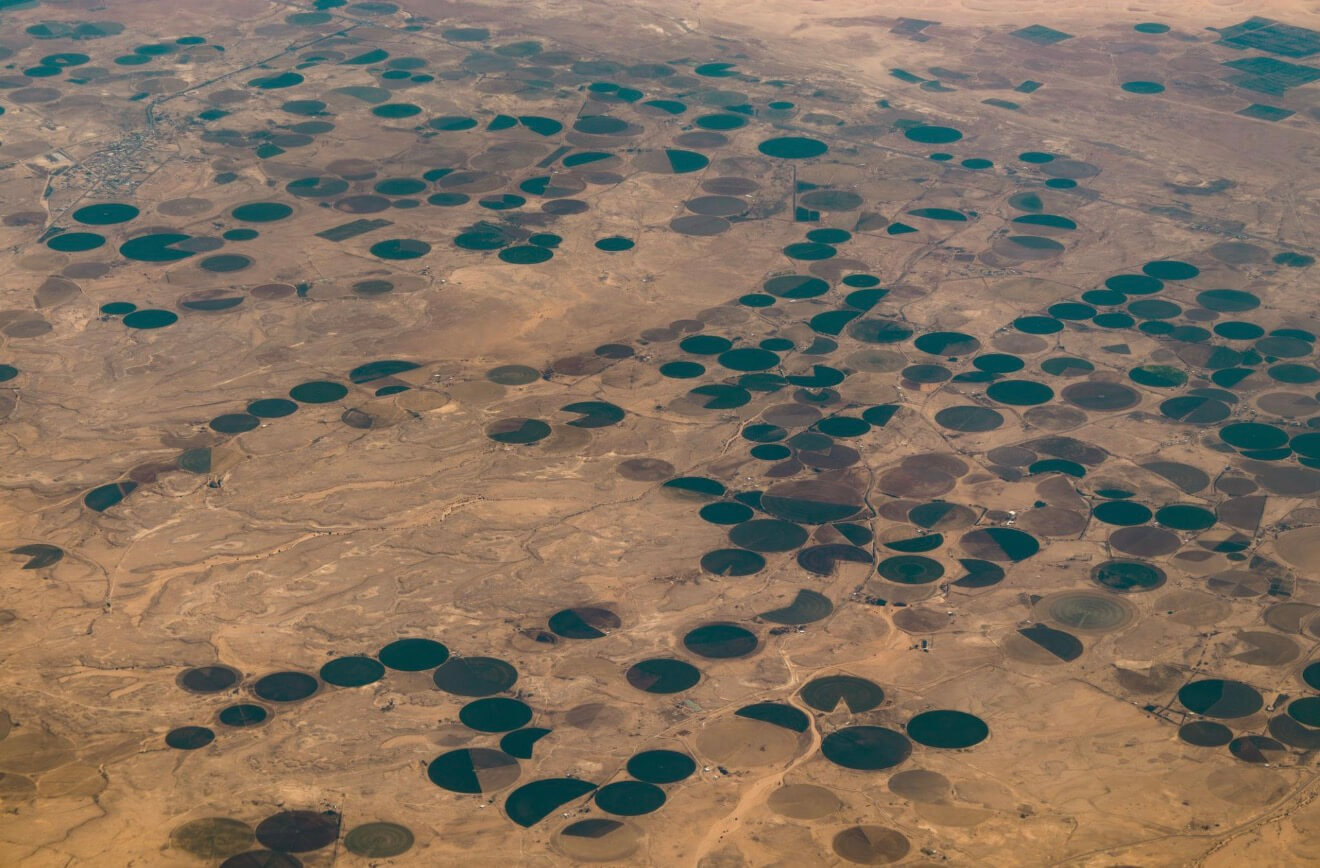
Agriculture in the Desert (Saudi Arabia)
Another important factor is the diversity of suppliers. The UAE imports food from dozens of countries, which makes the supply system more resilient. If deliveries from one region slow down temporarily, products can be sourced from other parts of the world. This diversification significantly reduces the risk of serious shortages.
In addition, agriculture in neighboring countries also plays an important role. For example, Saudi Arabia actively produces dates, vegetables, wheat, and dairy products. In Oman farmers grow fruits, vegetables, and dates using both traditional irrigation systems and modern agricultural technologies. These countries help supply the region with fresh products and partially reduce dependence on distant imports.
The UAE government also places strong emphasis on food security. The country maintains strategic reserves of essential products such as grains, rice, and sugar. These reserves are specifically designed to ensure stability even if global logistics are temporarily disrupted or demand suddenly increases.
Additional resilience comes from the country’s highly developed supermarket and warehouse networks. Major retail chains such as Carrefour and LuLu Hypermarket operate their own logistics centers and large distribution facilities. This allows stores to receive regular shipments and quickly restock shelves, even during periods of increased demand.
Past crises have also demonstrated the strength of Dubai’s supply system. Even during global disruptions, including the COVID-19 pandemic, the city continued to receive food supplies and supermarkets remained open and well stocked.
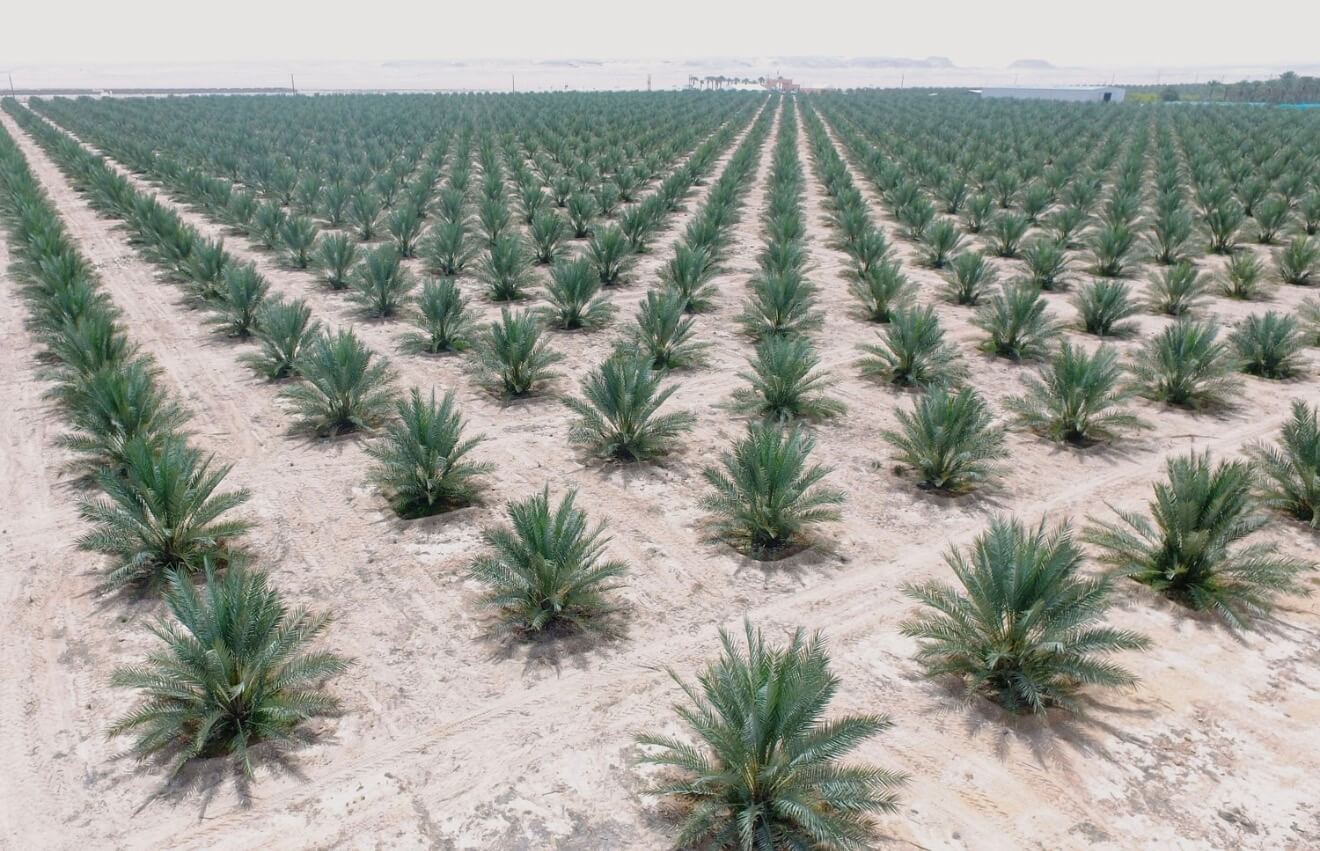
Date Palm Plantations and Regional Agriculture
In conclusion, despite concerning headlines and geopolitical tensions in the region, the UAE’s food supply system remains one of the most resilient in the world. Powerful logistics networks, diversified suppliers, regional agriculture, and strategic reserves all contribute to maintaining stability. For this reason, residents of Dubai have little cause for panic—staying calm and relying on verified information is far more important.