Annabel’s as an Asset of Influence: Why Abu Dhabi Capital Is Moving into London’s Private Clubs
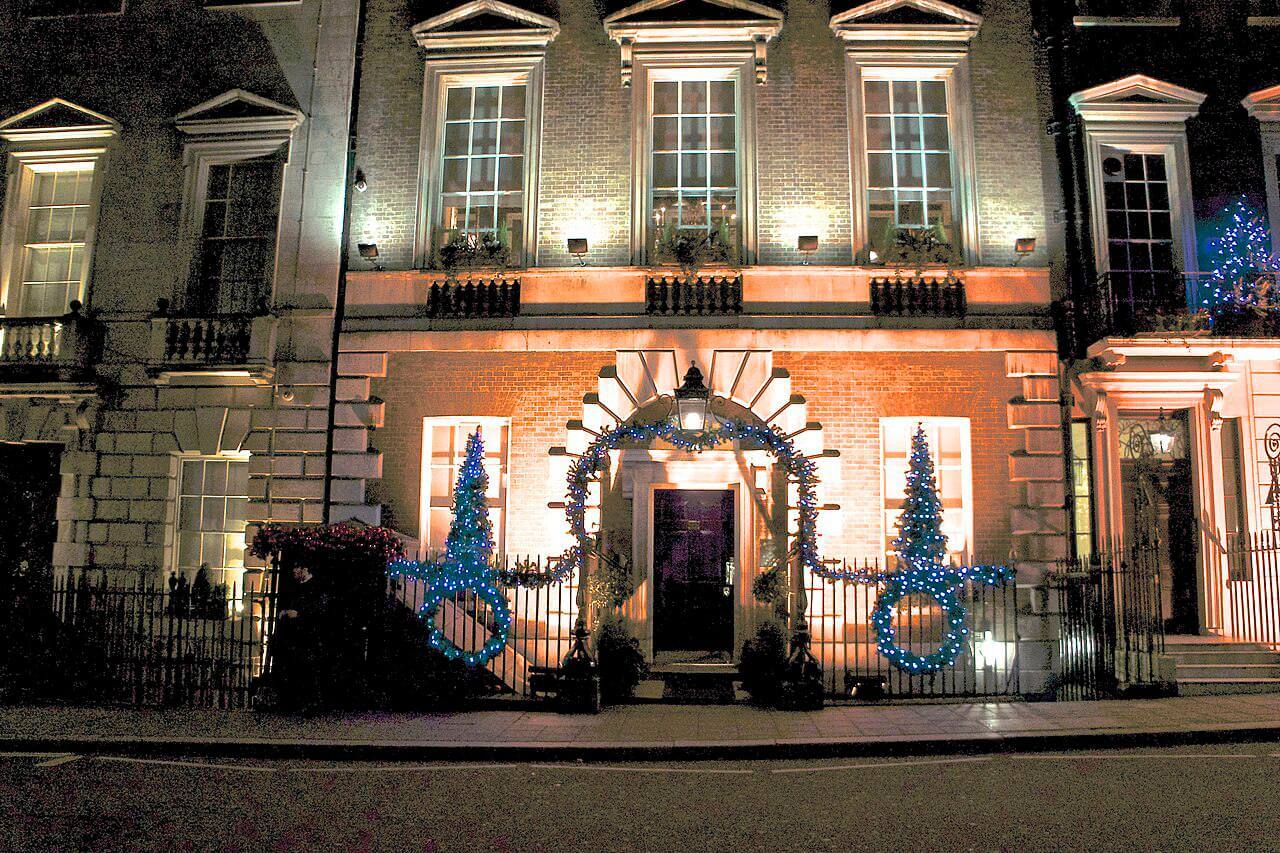
ANNABEL’S, The Private Club Redefining Global Influence
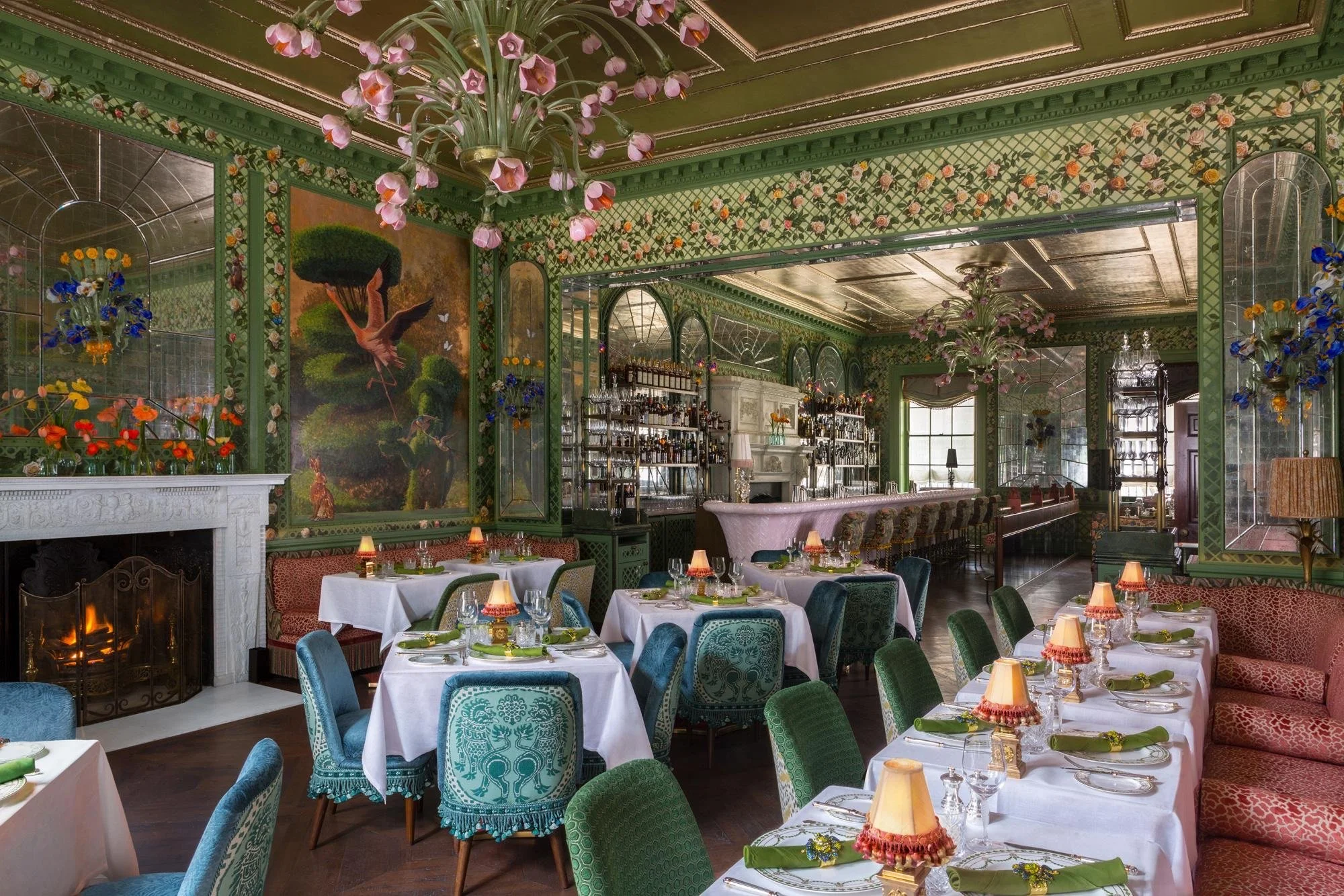
In London’s Mayfair district, surrounded by historic mansions and diplomatic residences, stands Annabel’s — one of the most exclusive and symbolically charged private clubs in the world. Founded in 1963, it has long outgrown its status as a luxury venue, evolving into an informal meeting ground for the global elite. Today, such assets are attracting not only private investors but also major Middle Eastern capital.
The deal in which a fund from Abu Dhabi — DIAFA — gained control of Annabel’s reflects a broader shift in the structure of international investment. This is less about traditional portfolio diversification and more about acquiring access to the infrastructure of influence.
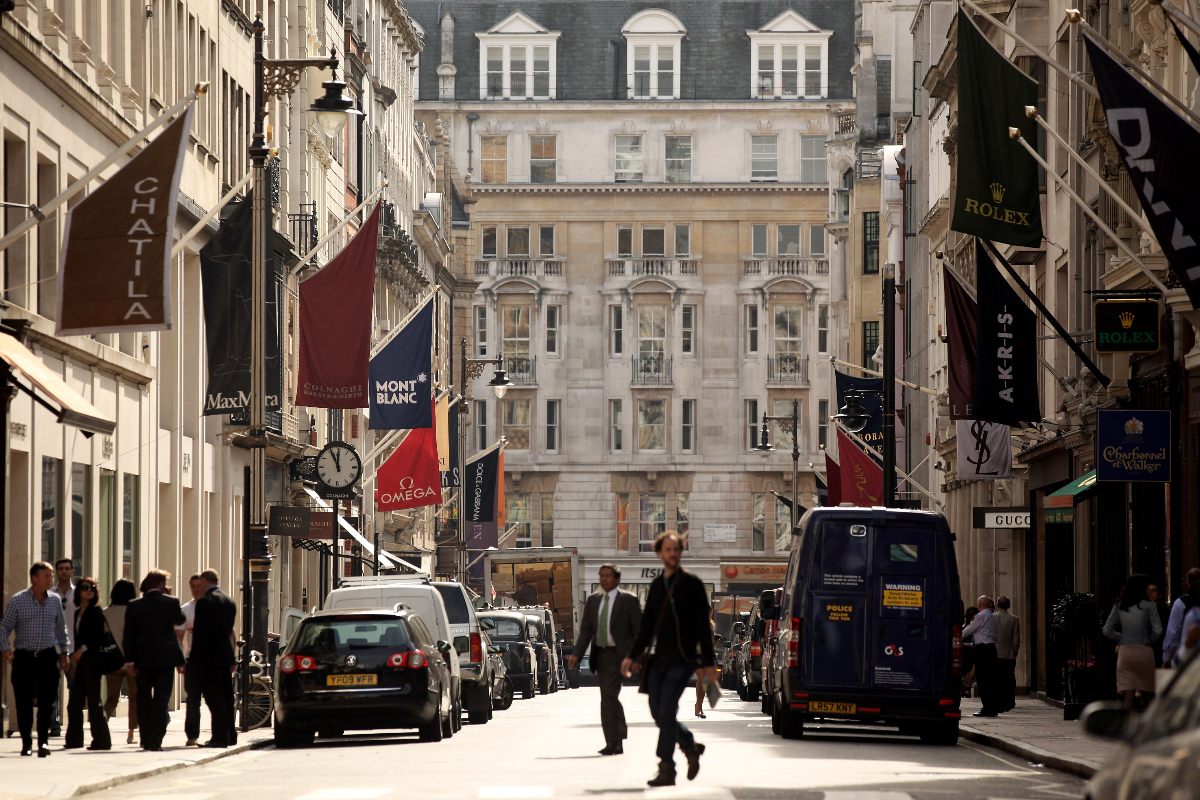
An Asset Beyond Traditional Valuation
From a financial analysis perspective, clubs like Annabel’s are difficult to assess using standard metrics. Revenue from membership fees and services represents only the surface layer. The core value lies elsewhere — in the composition of its members and the density of relationships formed within the space. Annabel’s operates as an institutionalized environment of trust, where deals are often discussed long before they become public.
For investors, this translates into access to a different class of information and opportunity. In an increasingly competitive landscape for deals and partnerships, such “closed networks” become a critical strategic resource.
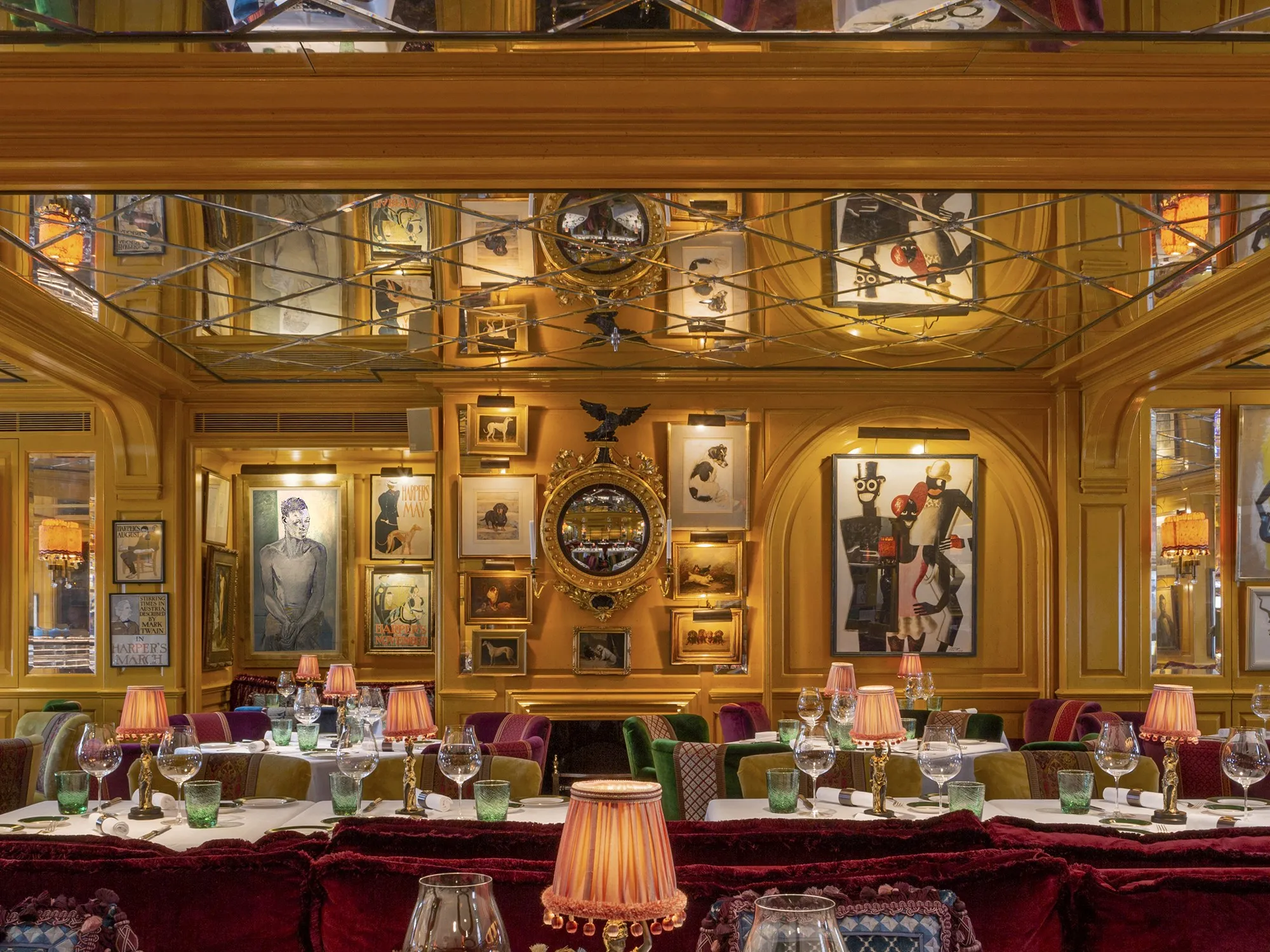
The Beyond Oil Strategy
Interest from Gulf-based funds in assets of this kind aligns with a broader long-term economic transformation strategy. As reliance on hydrocarbons gradually declines, countries in the region — particularly the UAE — are actively reallocating capital into global markets, spanning technology, sports, real estate, and luxury industries.
However, investments in clubs like Annabel’s carry an additional dimension. They function as instruments of soft power — the ability to influence through culture, relationships, and presence within key social institutions. Unlike direct investments in infrastructure or industry, these assets enable integration into elite global circles.
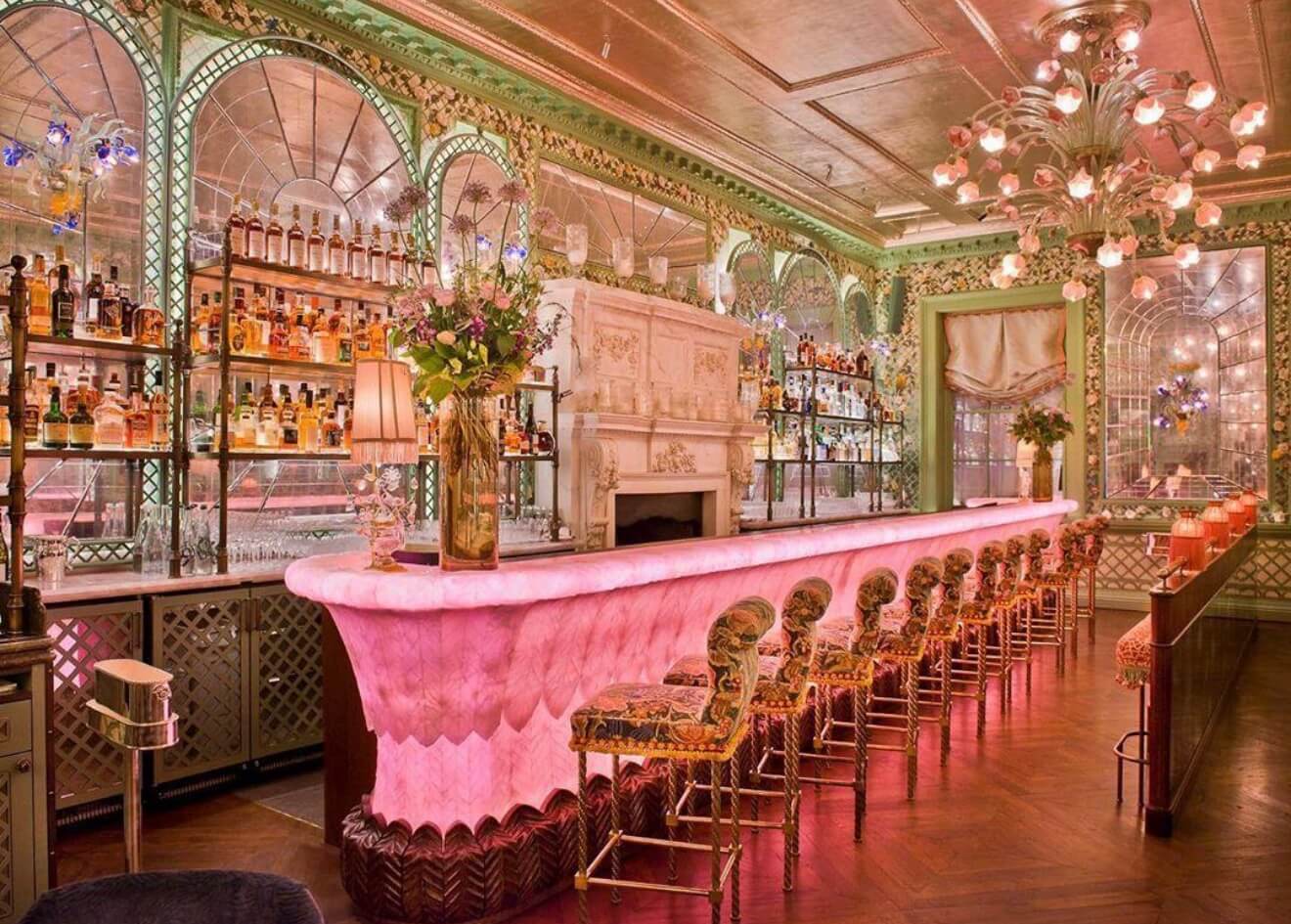
London as a Node of Global Capital
The choice of London is no coincidence. Despite recent political and economic shifts, the city remains one of the world’s primary centers of capital and influence. It is a convergence point for financial institutions, family offices, and sovereign wealth funds from across the globe.
In this context, control over Annabel’s can be seen as a way of securing a position within one of the densest networks of global elite interaction. It is not merely an investment in real estate or hospitality — it is strategic positioning.
A New Geography of Influence
The Annabel’s deal highlights a changing architecture of global influence. Where such clubs were once associated primarily with Western aristocracy and legacy wealth, they are now becoming entry points for new capital.
For investors from Abu Dhabi, this represents not only a means of preserving and growing wealth but also a pathway into informal networks that shape the allocation of resources and opportunities in the global economy.
As a result, Annabel’s is transforming from a symbol of traditional British exclusivity into a new type of asset — a platform where the interests of states, corporations, and private capital intersect. Increasingly, such spaces are becoming central arenas in the competition for influence in the 21st century.