Luxury Loses Its Resilience: Why Hermès’ Decline Signals More Than Weak Earnings
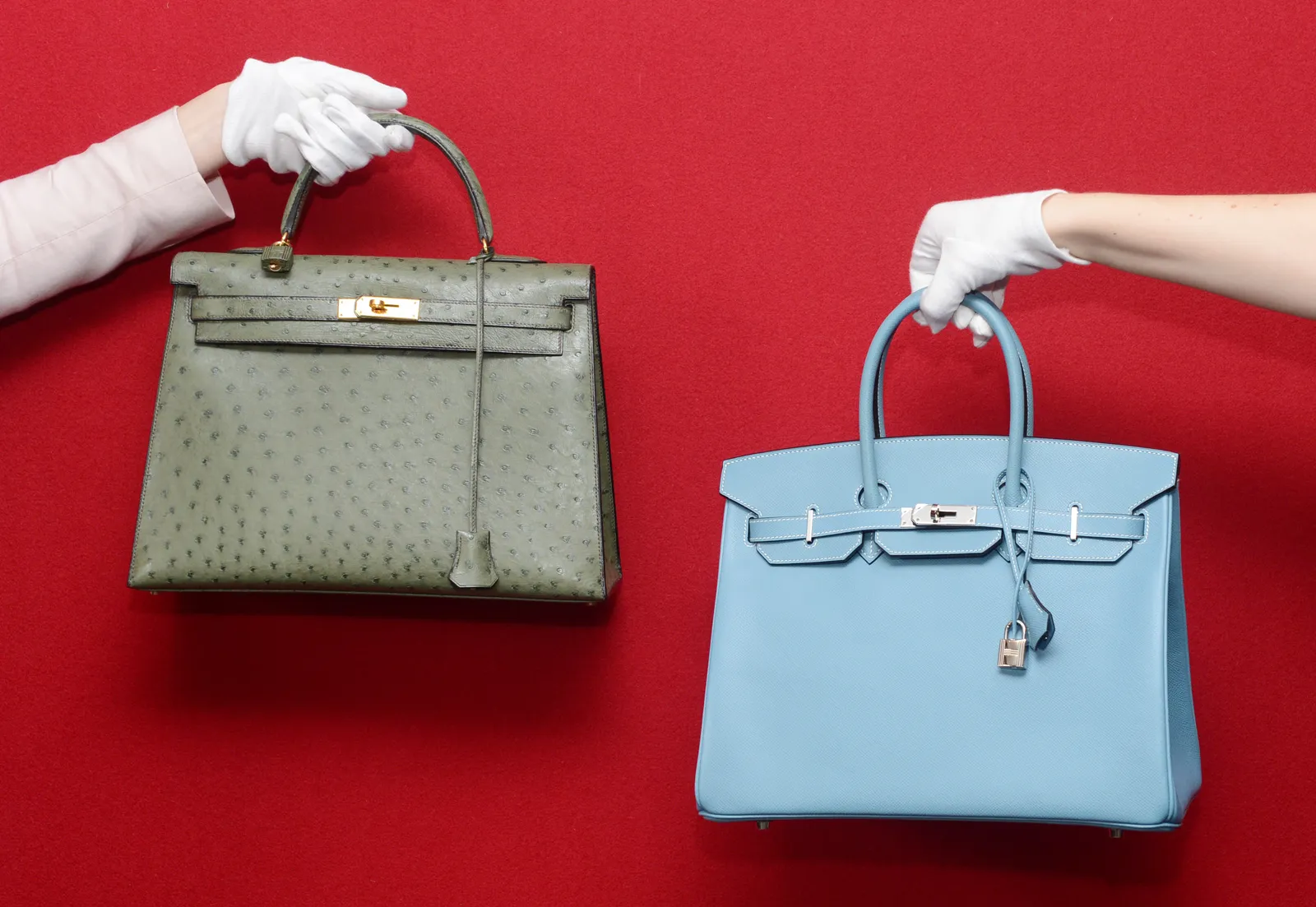
The global luxury market, long considered one of the most resilient segments of the economy, is beginning to show signs of strain. The sharp decline in shares of Hermès and Kering — the owner of Gucci — is not merely a reaction to disappointing earnings. It reflects a deeper shift in investor expectations.
The key issue is not the results themselves, but the market’s response. The speed and severity of the sell-off suggest that investors are reassessing how luxury companies should be valued.
For more than a decade, the sector traded at a premium, supported by strong global demand, high margins, and consistent expansion. That premium is now under pressure. Weak earnings are no longer seen as temporary setbacks—they are increasingly interpreted as signals of a broader slowdown.
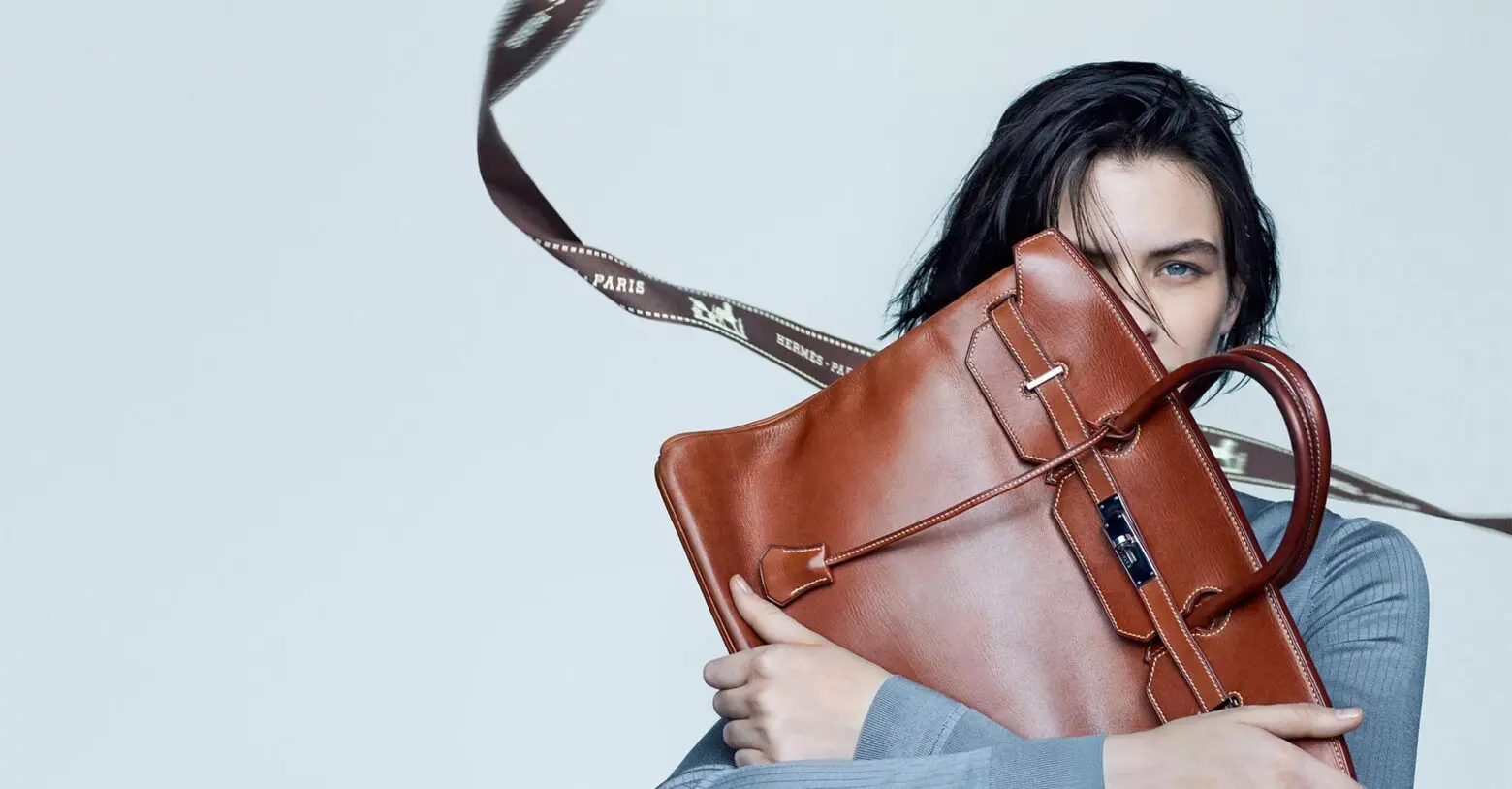
The macroeconomic backdrop is amplifying these concerns. Rising geopolitical tensions and growing uncertainty are reshaping both investor behavior and consumer sentiment. Luxury, by its nature, is highly sensitive to confidence. It depends on affluent consumers who are closely tied to financial markets, global mobility, and economic stability.
In times of uncertainty, even wealthy consumers adjust their spending patterns. Non-essential purchases—particularly in luxury fashion and accessories—are often the first to be postponed. This shift directly impacts revenue growth across the sector.
What is particularly notable is that even Hermès, widely regarded as one of the most resilient luxury brands, has not been immune. Its tightly controlled supply and strong brand equity have historically insulated it from downturns. Yet the current decline suggests that external forces are beginning to outweigh internal strengths.
For investors, this marks a transition. The market is moving away from growth narratives and focusing more on risk. Slowing demand, geopolitical instability, and potential compression in valuation multiples are becoming central concerns.
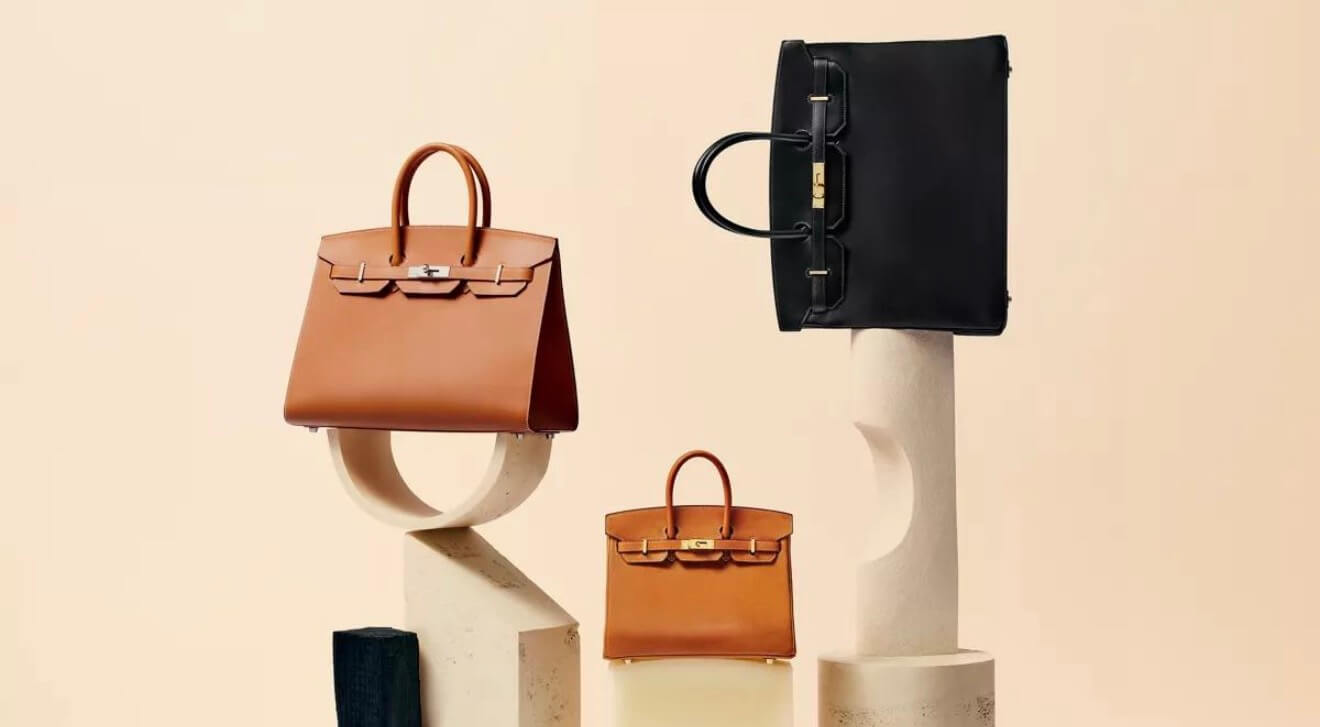
The critical question now is whether this is a short-term correction or the beginning of a longer cycle of moderation. Much will depend on external conditions—particularly the trajectory of geopolitical risks and the recovery of consumer confidence.
In that context, Hermès’ decline should not be viewed as an isolated event. It is a signal that the luxury sector is entering a new phase—one where resilience is no longer defined solely by brand strength, but by the ability to navigate an increasingly uncertain global environment.