Building for Decades: A Conversation with Edvin Ovasapyan
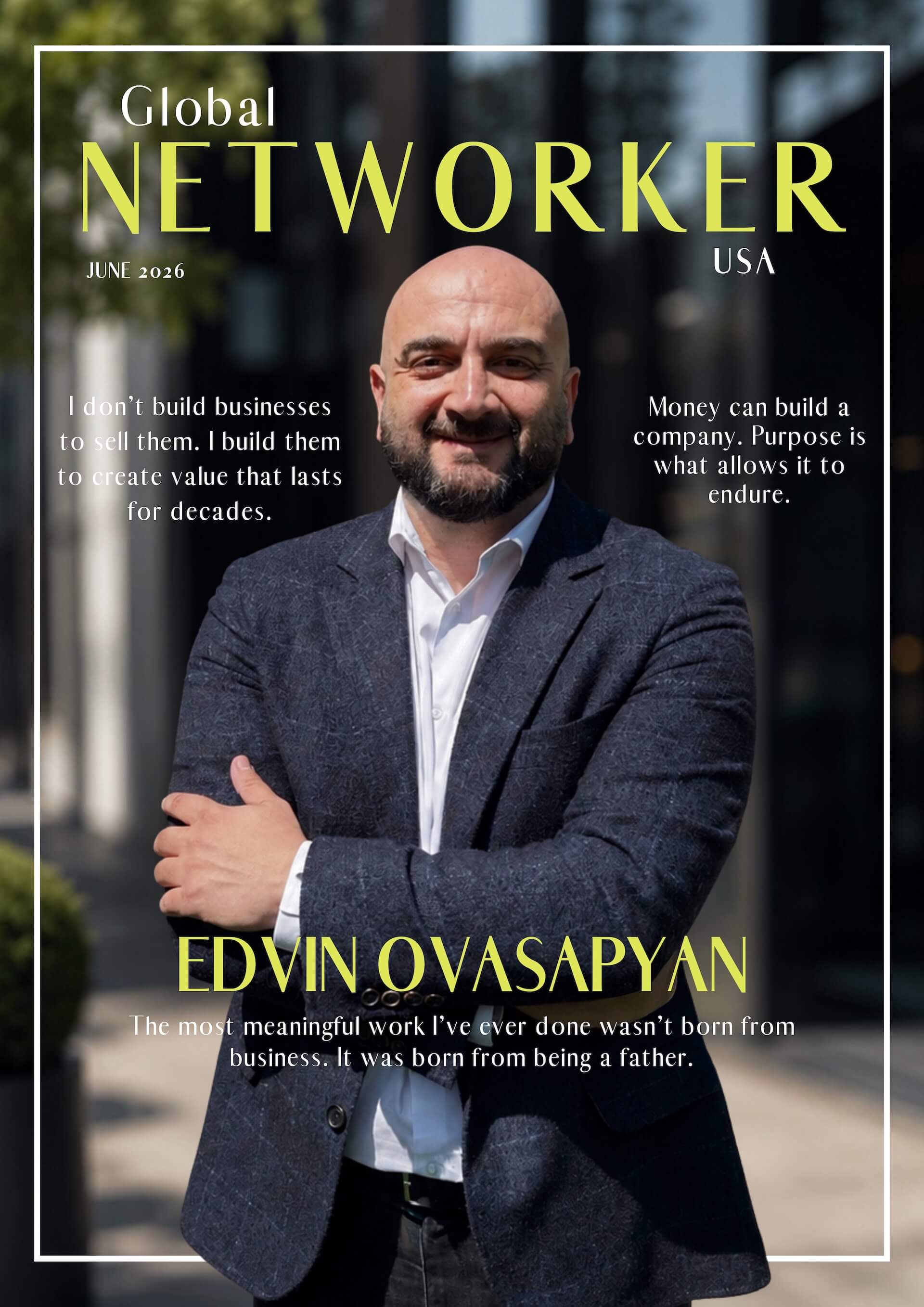
On the cover: Edvin Ovasapyan
Some entrepreneurs build companies for rapid growth and high-profile exits. Others create with a much longer horizon in mind. Edvin Ovasapyan belongs firmly to the latter group.
Over the years, he has launched ventures across a wide range of industries — from lifestyle brands and consumer technology to organic agriculture in California. Yet behind every project lies the same philosophy: building things that retain value over time.
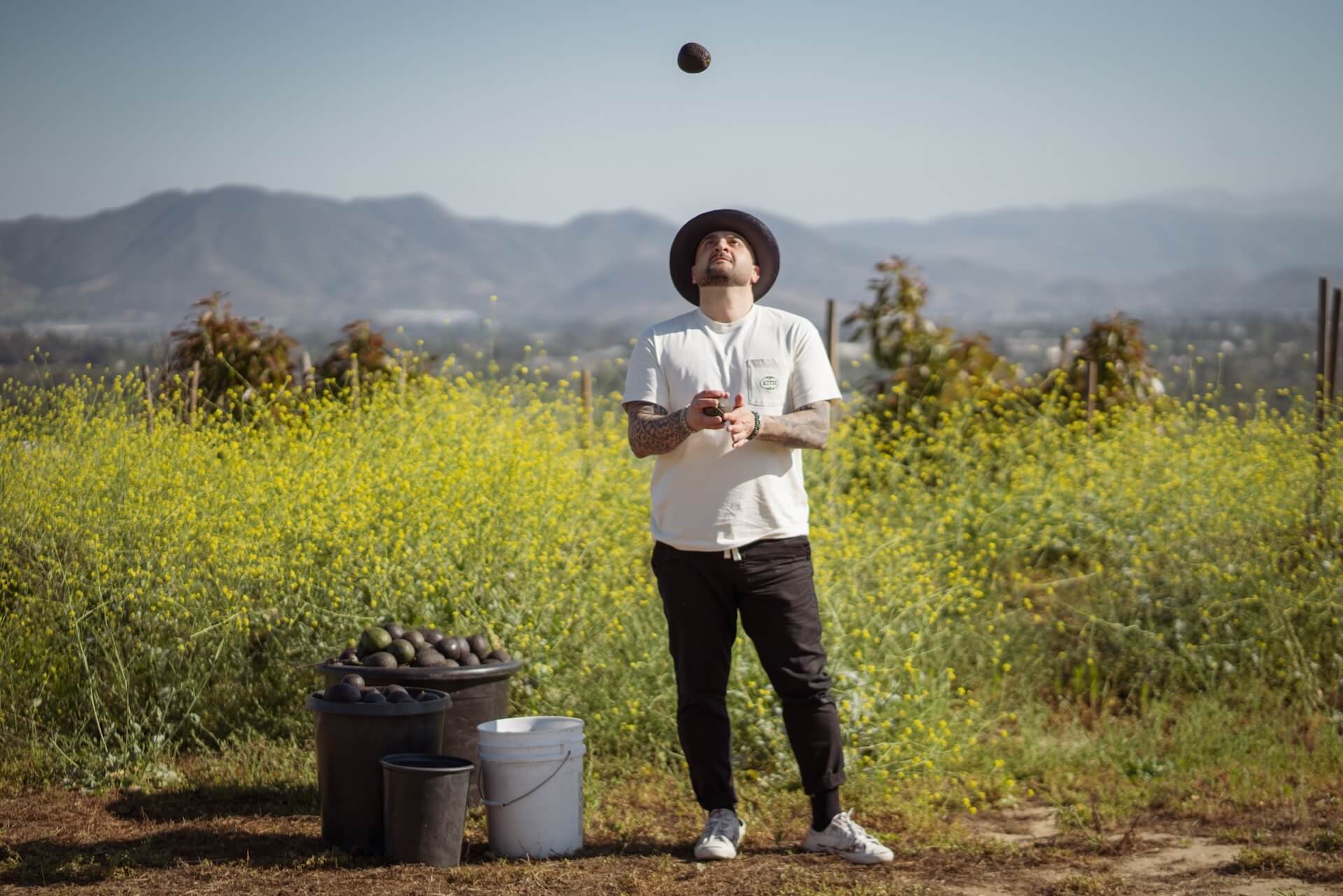
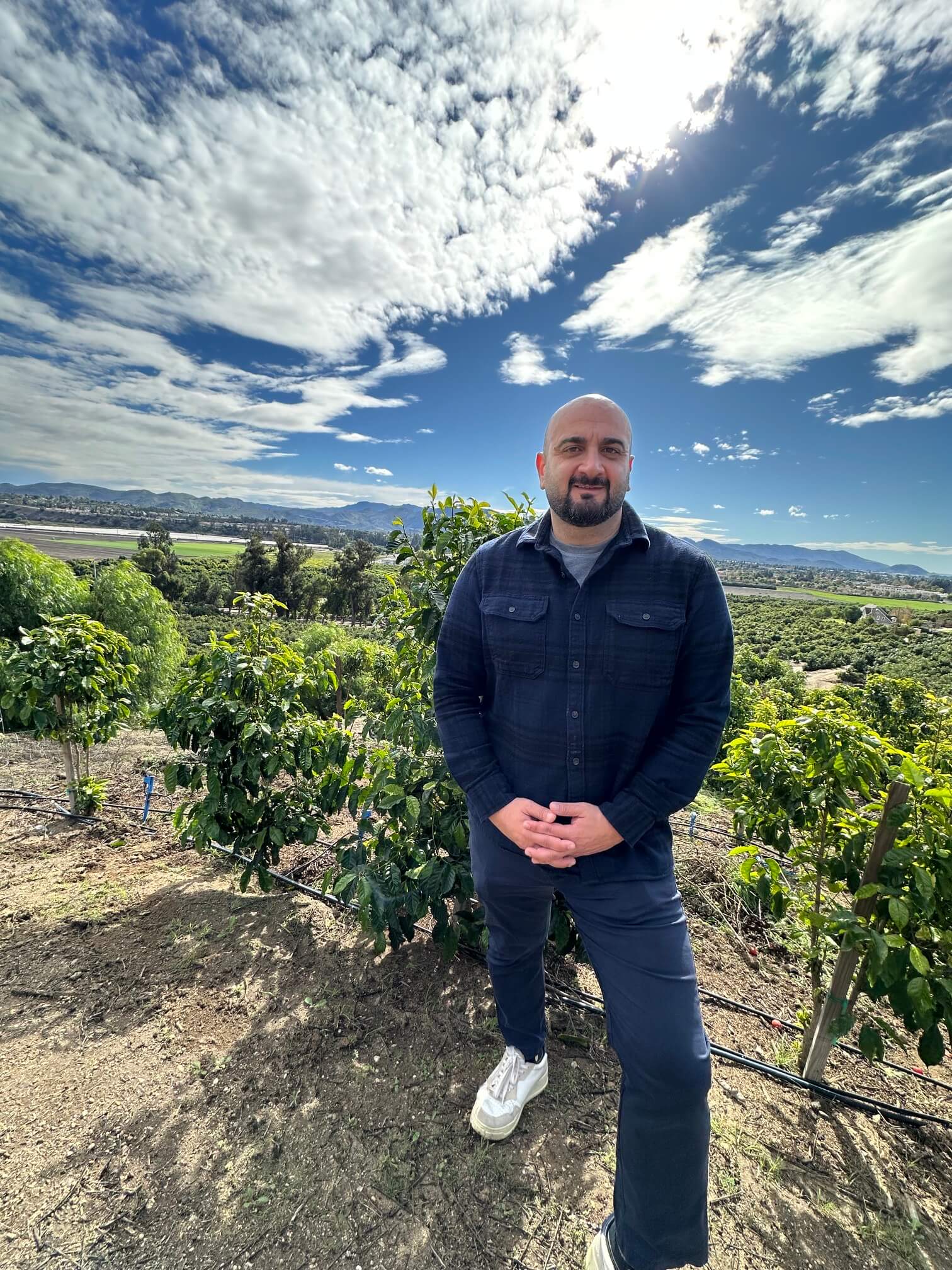
Today, his farm, One Tree Hill Farms in Ventura County, cultivates thousands of coffee and avocado trees under a strict organic protocol. Despite his success across multiple industries, Ovasapyan remains personally involved in the day-to-day realities of farming. For him, business has never been solely about capital — it is about creating something real, enduring, and meaningful.
Perhaps the most personal chapter of his story, however, comes from his role as a father. The experience of navigating early speech delays with his children became the foundation for both an upcoming book and a charitable foundation dedicated to helping families access speech therapy regardless of financial circumstances.
Known for avoiding publicity and rarely giving interviews, Ovasapyan speaks about entrepreneurship, long-term thinking, family, and the kind of legacy he hopes to leave behind.
You often describe yourself as a founder by calling. What connects everything you build?
I build things that preserve real value over time. Whether it is farmland that produces harvests year after year, technology that solves a genuine problem, or a consumer brand that helps define a category, the common thread is patience and durability rather than industry. Some founders are focused on rapid growth and exits. I prefer building things that can accumulate value for decades.
Your ventures span agriculture, technology, and consumer brands. What ties these sectors together?
Probably three things. First, I am drawn to industries where there is a gap between what exists today and what could exist if someone approached the problem patiently and properly. Second, I like being involved operationally, not simply as an investor. Third, I always think long term. I would rather own a strong asset for twenty years than sell an average one after two.
Why is personal involvement in operations so important to you?
Because you can never truly understand something you do not touch yourself. The best decisions I have made came from being close to the work — close to the land, the production process, and the people. The boardroom perspective matters, but it is not enough. The reality on the ground always reveals things that spreadsheets cannot.
Why coffee and avocados in California?
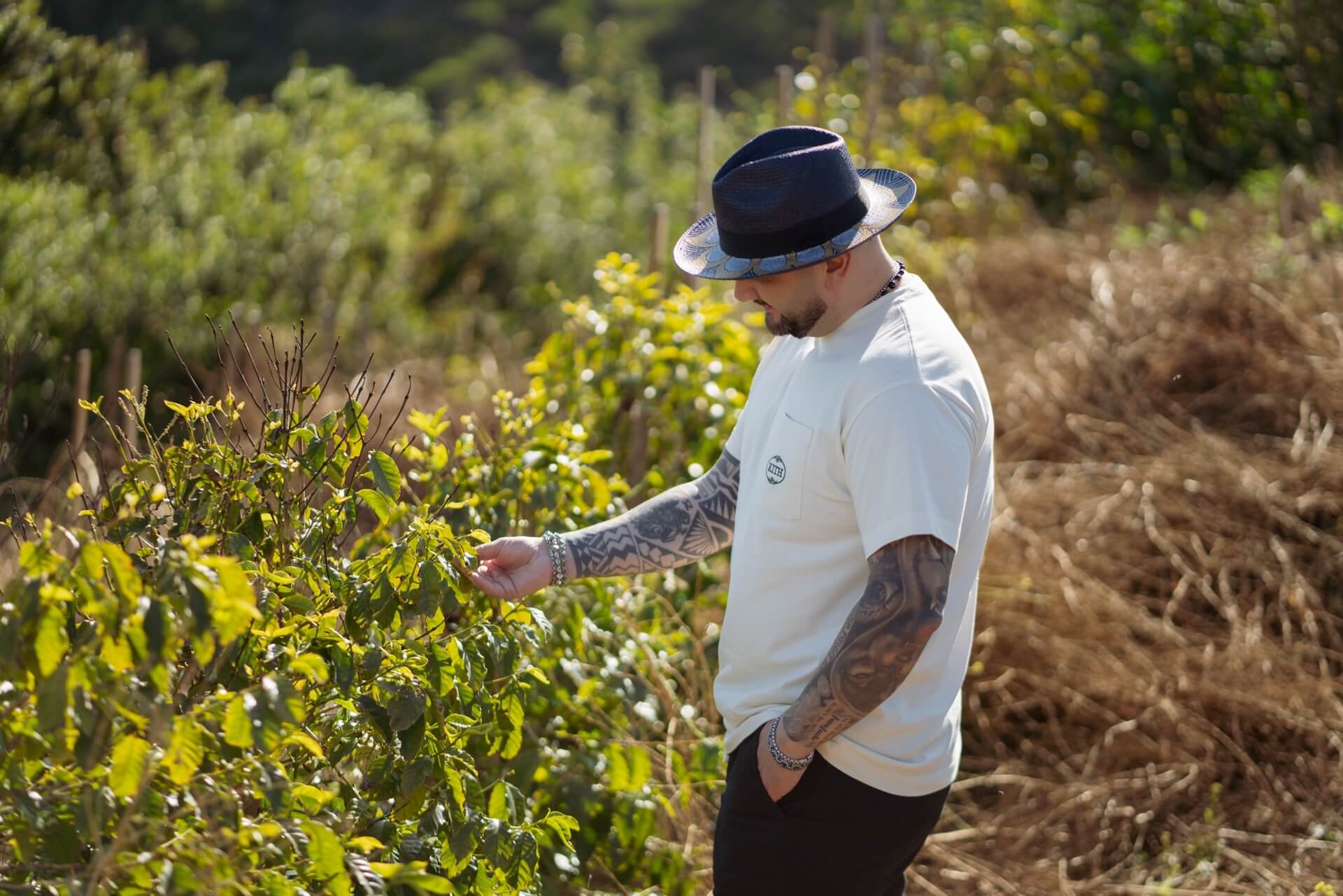
The land itself led us there. When we acquired the property, the conditions for coffee and avocados were already ideal — the microclimate, soil composition, and elevation. California is one of the few places in the United States capable of producing truly high-quality specialty coffee. We did not force a crop onto the land; we listened to what the land was naturally suited to grow.
Most people associate specialty coffee with Latin America. Why do you believe California has potential
Latin America has heritage and history. California has the opportunity to create something new. We are not trying to compete with Colombia on volume. We are building an American specialty coffee product with complete transparency and quality control from tree to cup. A new category is emerging, and I want to help shape it.
What does a typical day on the farm look like?
There is no typical day. Some mornings begin with walking the orchards and inspecting irrigation systems or trees that need attention. Other days are focused on branding, sales, or new projects. The farm operates according to its own rhythm. I try to listen to that rhythm rather than impose my own. The land has been doing this much longer than I have.
What has been the greatest challenge in building One Tree Hill Farms?
Learning to wait.
I entered agriculture with the instincts of an entrepreneur — move fast, solve problems quickly, create results. Farming does not work that way. Trees need years to mature. Soil needs seasons to improve. Biology cannot be rushed. Learning to operate at the pace of nature was more difficult than building many businesses.
How do you connect physical products and technology in your own thinking?
I do not see them as separate worlds. Both are about creating something valuable. A farm produces a tangible product. A technology platform solves a real problem. Both require patience, discipline, and long-term thinking. I do not choose between technology and physical products. I choose what is worth building.
How has family changed your perspective on business and success?
It changed everything and nothing at the same time. Everything changed the moment I became a father because the purpose behind what I build became more meaningful. I want to create things my children can be proud of and a life where I can be present for them. Yet my belief in patience and long-term value has always existed. The difference is that now the stakes are deeply personal.
Why did you decide to speak publicly about your children’s speech delays?
Because when we were going through it, information and support were difficult to find. My son’s delay was identified later than it should have been. My daughter received help earlier because we already knew what to look for. That experience taught me that early intervention changes everything, and most parents simply do not know what signs to watch for.
What do you hope parents will take away from your book?
I hope they feel less alone, less afraid, and more prepared to act. A speech delay is not an ending — it is a starting point. The right intervention at the right time can dramatically change a child’s trajectory. I wrote the book I wish I had when we first realized something was wrong.
Why was creating a foundation so important to you?
Because a family’s financial situation should never determine whether a child receives help. Speech therapy works. The evidence is clear. Yet it is often expensive, and insurance coverage is frequently insufficient. Many families lose precious time because they cannot afford consistent treatment. That is a gap we are trying to close.
You spent years avoiding publicity. Why speak now?
Because the book is finished, and the foundation’s work is needed today. The parents I want to reach are facing these challenges right now, not five years from now when I might feel more comfortable being public. At some point, the conversation stopped being about me and became about them.
What does legacy mean to you today?
Legacy is what continues after you are gone. A farm that keeps producing because it was built correctly. Children who receive help because a foundation exists. Values that your own children carry into the future. I care far less about being remembered than I do about creating things that continue serving others long after I am gone.
Which of your projects feels the most personal?
The foundation. The book. The work supporting children with speech delays. Those are no longer projects. They are part of my life as a father. I am proud of my businesses, but this work exists because I know firsthand what it means to hear your child find their voice after finally receiving the help they needed.
You once said you wanted to become “the kindest and most successful person.” How do kindness and ambition coexist?
Most people think kindness and ambition are opposites. I do not. Kindness shapes how you build — how you treat people, choose partners, and behave during difficult moments. Ambition determines what you strive for. They are not opposing forces; they are complementary ones. Ambition without kindness creates something fragile. Kindness without ambition rarely creates anything meaningful. The goal is to embody both.
What do you hope to build over the next decade?
Three things.
A foundation that helps enough families that early intervention becomes less dependent on income. Businesses designed so well they can thrive without me. And children who grow up knowing their father devoted his life to work that mattered — not because it brought money or recognition, but because it was the right thing to do.