DAZN’s American Gambit: Why Regional Sports Rights Could Define the Future of Global Streaming

For years, DAZN was synonymous with boxing, pay-per-view events and premium sports streaming. Today, that perception is becoming increasingly outdated.
The company’s latest announcement—becoming the exclusive digital home of MSG Networks and YES Network content—signals something much larger than another media rights acquisition. It represents a calculated strategic move into one of the most valuable and historically protected segments of the U.S. sports industry: regional sports broadcasting.
At first glance, the agreement appears straightforward. DAZN will distribute live games featuring iconic franchises including the New York Yankees, New York Knicks, Brooklyn Nets, New York Rangers, New Jersey Devils, New York Islanders and Buffalo Sabres.
But beneath the headlines lies a far more consequential story.
The End of the Cable Era
For decades, American sports economics were built on an exceptionally profitable formula. Regional Sports Networks (RSNs) acted as intermediaries between teams and fans, generating billions of dollars through cable subscriptions and advertising.
That model is rapidly eroding.
Cord-cutting has accelerated across the United States, while younger audiences increasingly expect direct, on-demand access to content across multiple devices. Consumers no longer want to purchase expensive television packages simply to watch their hometown team.
This structural shift has forced leagues, franchises and rights holders to reconsider how they reach audiences.
DAZN is positioning itself as the answer.
Rather than functioning solely as another streaming service, the company is building infrastructure for the next generation of sports distribution.

More Than Streaming
CEO Shay Segev’s statement reflects a broader corporate vision that extends well beyond broadcasting live games.
His emphasis on technology, commerce, distribution and fan engagement reveals DAZN’s ambition to become what Amazon Web Services became for enterprise computing: the platform powering an industry behind the scenes.
In practical terms, this means integrating several capabilities into a single ecosystem:
- content distribution;
- subscription management;
- payment infrastructure;
- audience analytics;
- personalised marketing;
- fan engagement;
- digital commerce.
The product being built is no longer simply a streaming application. It is a technology platform for sports organisations.
Why Regional Rights Matter
Global media attention tends to focus on billion-dollar properties such as the NFL, Champions League or Formula 1. Yet regional sports often generate something arguably more valuable: habitual engagement.
Unlike pay-per-view boxing events, which peak for a single evening, regional teams play nearly every day throughout long seasons.
For streaming businesses, recurring engagement drives recurring revenue.
Every Yankees game, every Rangers match and every Knicks season becomes another opportunity to strengthen customer retention, reduce churn and increase lifetime subscriber value.
In subscription economics, consistency often matters more than spectacle.
DAZN’s Platform Strategy
This latest move also reflects a broader trend reshaping global media companies.
Netflix built scale around entertainment.
Spotify built scale around music.
DAZN appears determined to build a vertically integrated operating system for sports.
The company already manages products including NFL Game Pass and NHL.tv outside the United States. Adding regional American sports significantly strengthens its position in the world’s most commercially important sports market.
Rather than competing solely for exclusive events, DAZN is steadily assembling a comprehensive sports ecosystem capable of serving leagues, broadcasters, rights holders and fans alike.

The Business Beyond Broadcast Rights
Perhaps the most significant aspect of this announcement is what it implies about DAZN’s long-term business model.
Historically, sports media companies monetised audiences primarily through advertising and subscription fees.
Digital platforms operate differently.
Every direct customer relationship generates behavioural data, purchasing insights, merchandising opportunities, betting integrations, personalised recommendations and additional subscription products.
In other words, the broadcast becomes only the starting point of the commercial relationship.
This is where the greatest value increasingly resides.
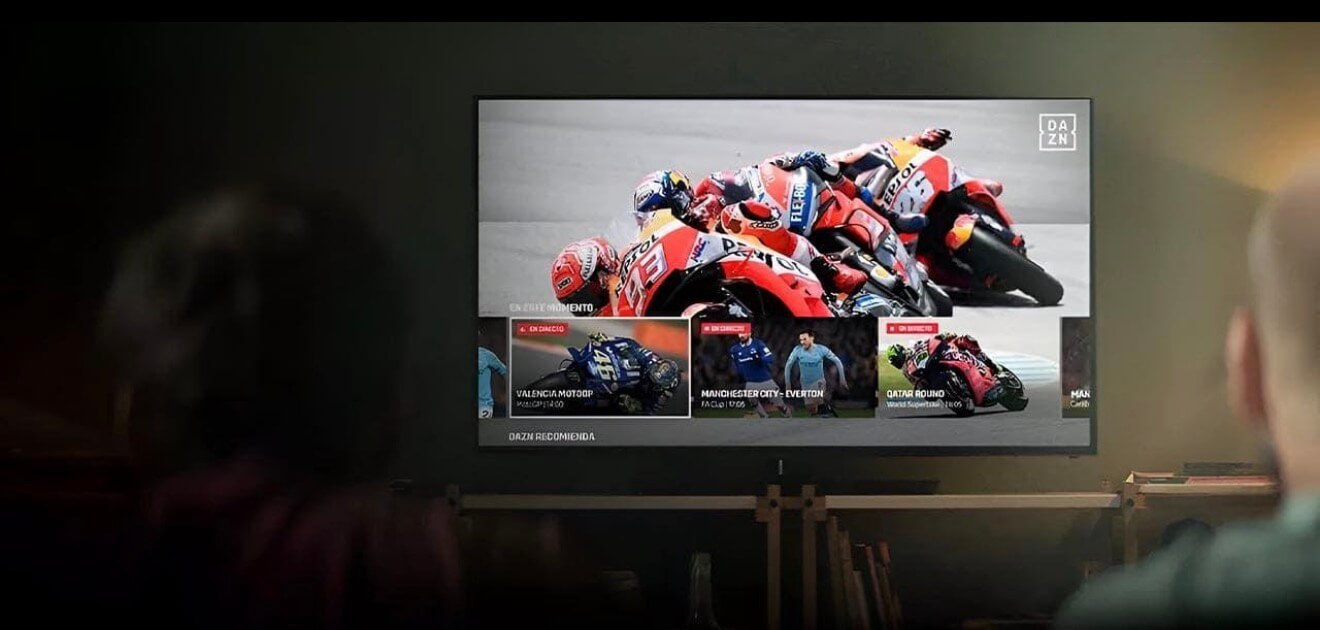
A Blueprint for the Industry
Shay Segev described the partnership as a model for the future of regional sports media.
That assessment may prove accurate.
As traditional television continues to fragment, rights holders are seeking partners capable of delivering far more than transmission. They require technology companies that can acquire customers, retain audiences and monetise fan engagement across multiple digital channels.
DAZN is betting that future belongs to integrated platforms rather than traditional broadcasters.
Whether that vision succeeds remains to be seen.
What is already clear, however, is that DAZN is no longer competing merely with sports broadcasters. It is competing to become the digital infrastructure upon which the next generation of global sports media is built.
And if this strategy succeeds in the United States—the most competitive sports media market in the world—it could redefine how premium sports content is distributed everywhere else.