DEMOCRATS REGAIN CONTROL OF THE U.S. CONGRESS: FIRST MUSLIM SENATOR AND NEW POLITICAL REALITIES FOR DONALD TRUMP

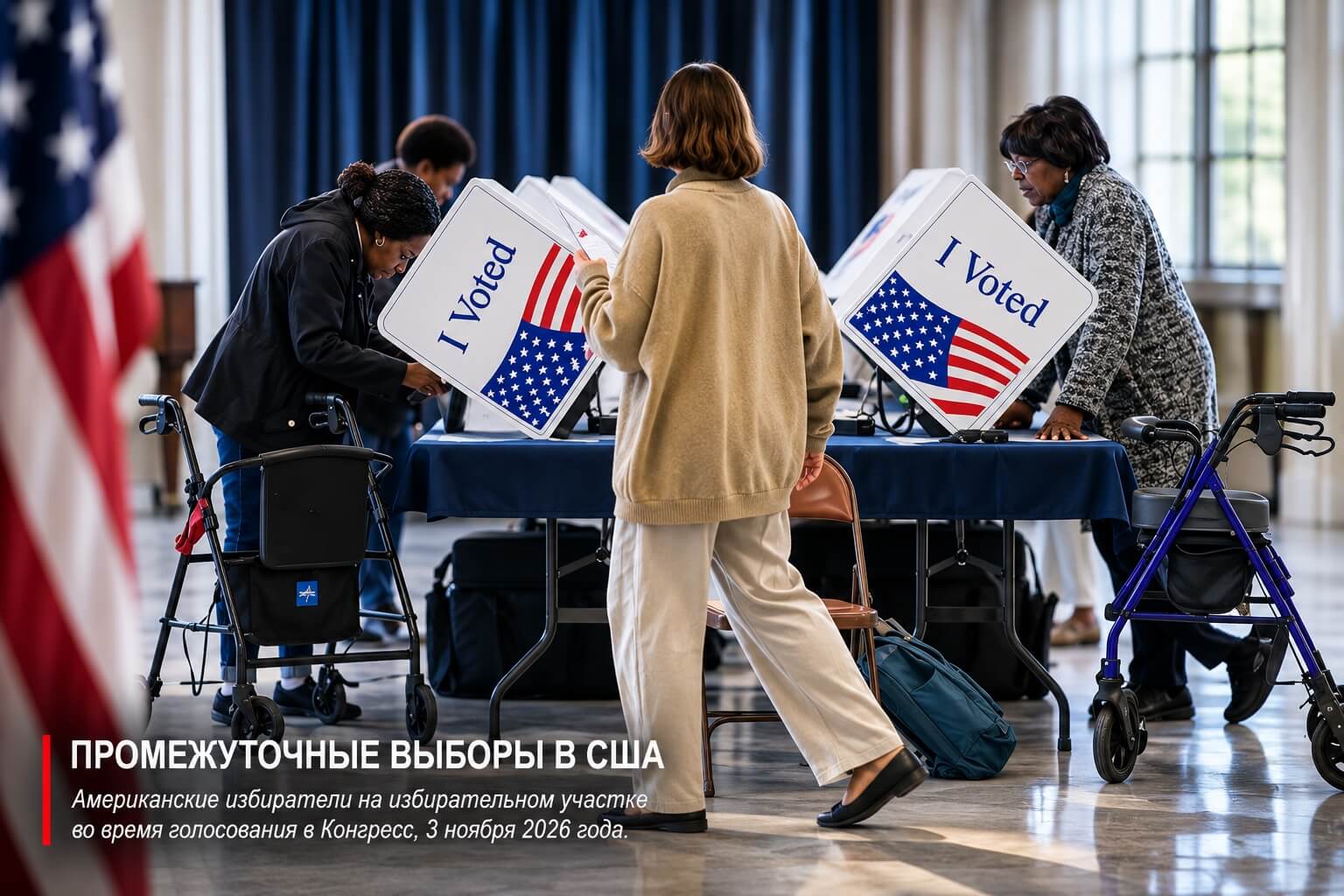
The U.S. midterm elections held on November 3, 2026, have become one of the most significant political developments of Donald Trump’s second presidential term. The Democratic Party secured control of both chambers of Congress, ending the Republicans’ legislative majority and fundamentally reshaping the balance of political power in Washington. However, one of the most remarkable developments was the victory of 42-year-old Abdul El-Sayed in Michigan. The Egyptian-American politician became the first Muslim elected to the United States Senate, marking a historic milestone in American political history.
The Democratic victory represents a major setback for President Donald Trump, whose Republican Party had controlled both the House of Representatives and the Senate. With Democrats now holding congressional majorities, the administration faces a significantly more challenging political environment during the remaining two years of Trump’s presidency. The opposition will gain substantial influence over federal legislation, government spending, presidential appointments, and congressional investigations.
The election results reflect growing public dissatisfaction with the economic and political direction of the country. Rising living costs, persistent inflation, concerns about government accountability, and disagreements over foreign policy played important roles in shaping voter sentiment. Democratic candidates successfully mobilized voters across several traditionally Republican states and competitive electoral districts, demonstrating that political dissatisfaction extended well beyond the country’s established Democratic strongholds.
One of the most consequential outcomes was the Democratic Party’s success in the Senate, where candidates overturned Republican-held seats in several states, including Texas, Iowa, Kansas, Ohio, Maine, North Carolina, and South Carolina. These victories transformed the composition of the upper chamber and provided Democrats with the ability to challenge the president’s legislative priorities and appointments. Meanwhile, Democratic gains in the House of Representatives strengthened the party’s position and created the prospect of more extensive congressional oversight of the Trump administration.
Against this backdrop, Abdul El-Sayed’s victory in Michigan attracted particular international attention. The son of Egyptian immigrants, El-Sayed built his political career around public health, economic equality, and progressive reforms. Before entering national politics, he served as Detroit’s health director and became known for advocating broader access to healthcare and stronger protections for working families. His election to the Senate represents not only a personal political achievement but also an important moment for Muslim Americans, who have historically remained underrepresented in the country’s highest legislative institutions.
El-Sayed defeated Republican candidate Mike Rogers in a closely watched contest that became one of the most politically charged Senate races of the election cycle. His campaign focused on healthcare reform, reducing the financial burden on American families, and limiting corporate influence over political decision-making. At the same time, his candidacy generated considerable controversy, particularly over his positions on U.S. foreign policy and the Israeli-Palestinian conflict. Despite these divisions, his victory demonstrated the growing influence of progressive political movements within the Democratic Party.
For Donald Trump, the loss of congressional control introduces a new phase of political confrontation in Washington. Although the president retains substantial executive authority, his ability to advance major legislative initiatives will now depend increasingly on negotiations with Democratic lawmakers.

Congressional committees controlled by the opposition will also have greater opportunities to investigate government decisions, examine federal spending, and scrutinize the administration’s policies. The Senate’s authority over presidential appointments could become another significant source of political tension.
The November 2026 elections therefore represent far more than a routine redistribution of congressional seats. They signal a broader transformation in American politics, highlighting changing voter priorities, growing demands for political accountability, and the increasing diversity of elected representation. Abdul El-Sayed’s historic victory illustrates these changes particularly clearly, while the Democratic Party’s return to congressional power establishes a new political reality for Donald Trump. As the United States enters the final two years of his presidency, the relationship between the White House and Congress is likely to become one of the defining factors shaping the country’s domestic and international political agenda.