JOHNNY CLARK: “WE’RE NOT JUST PROMOTING FIGHTS — WE’RE BUILDING FUTURE CHAMPIONS”
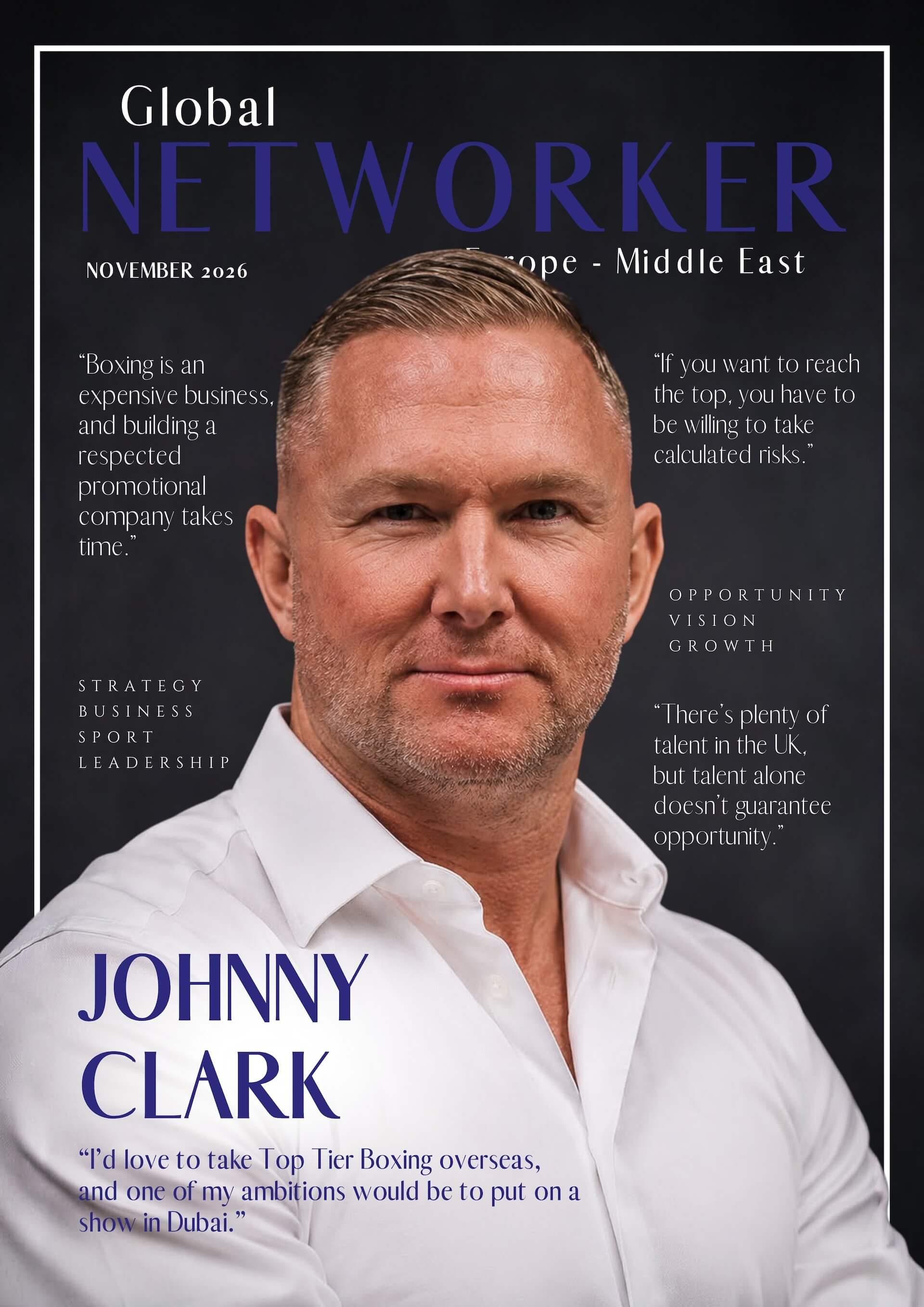
On the cover: Johnny Clark
 Text by: Marina Slobodyanik
The founder of Top Tier Boxing discusses investing in British boxing, developing emerging talent, working with DAZN, Dana White’s influence on the sport, and his ambitions to expand internationally.
British boxing has a proud tradition of producing exceptional talent, yet the journey from small-hall shows to the world’s biggest arenas remains a challenging one. Johnny Clark, entrepreneur and founder of Top Tier Boxing, is determined to help bridge that gap. By investing his own money into the sport, Clark has made developing young fighters, delivering professionally produced events, and creating opportunities for career progression central to his business. His ambition extends beyond promoting boxing shows: he wants to build a platform that helps promising fighters establish themselves and eventually compete on the international stage. In an exclusive interview with Global Networker, Johnny Clark discusses the financial realities of boxing promotion, his company’s relationship with DAZN, the growing importance of social media, the potential impact of Zuffa Boxing, and his ambitions to bring Top Tier Boxing to Dubai.
Johnny, you came into professional boxing from a different business background. What attracted you to the industry, and what opportunities did you see?
I’ve always been entrepreneurial, and boxing appealed to me because it’s a sport built on hard work, ambition, and character. I could also see that there was a huge amount of talent in British boxing that needed the right opportunities and backing. I saw a chance to build a business while helping fighters achieve something special. I didn’t come into boxing simply to put on shows; I wanted to build something that could make a genuine difference to fighters’ careers.
When you founded Top Tier Boxing, what gap in the British boxing market were you looking to fill?
I wanted to create a platform where talented fighters could develop properly, get regular opportunities, and be part of shows that looked and felt professional. The small-hall circuit is the backbone of British boxing, but I think there’s room to raise the standards of presentation, promotion, and exposure. My aim has always been to deliver shows that look like they belong on the biggest stages, even when we’re working in smaller venues, and to help fighters progress towards major titles.
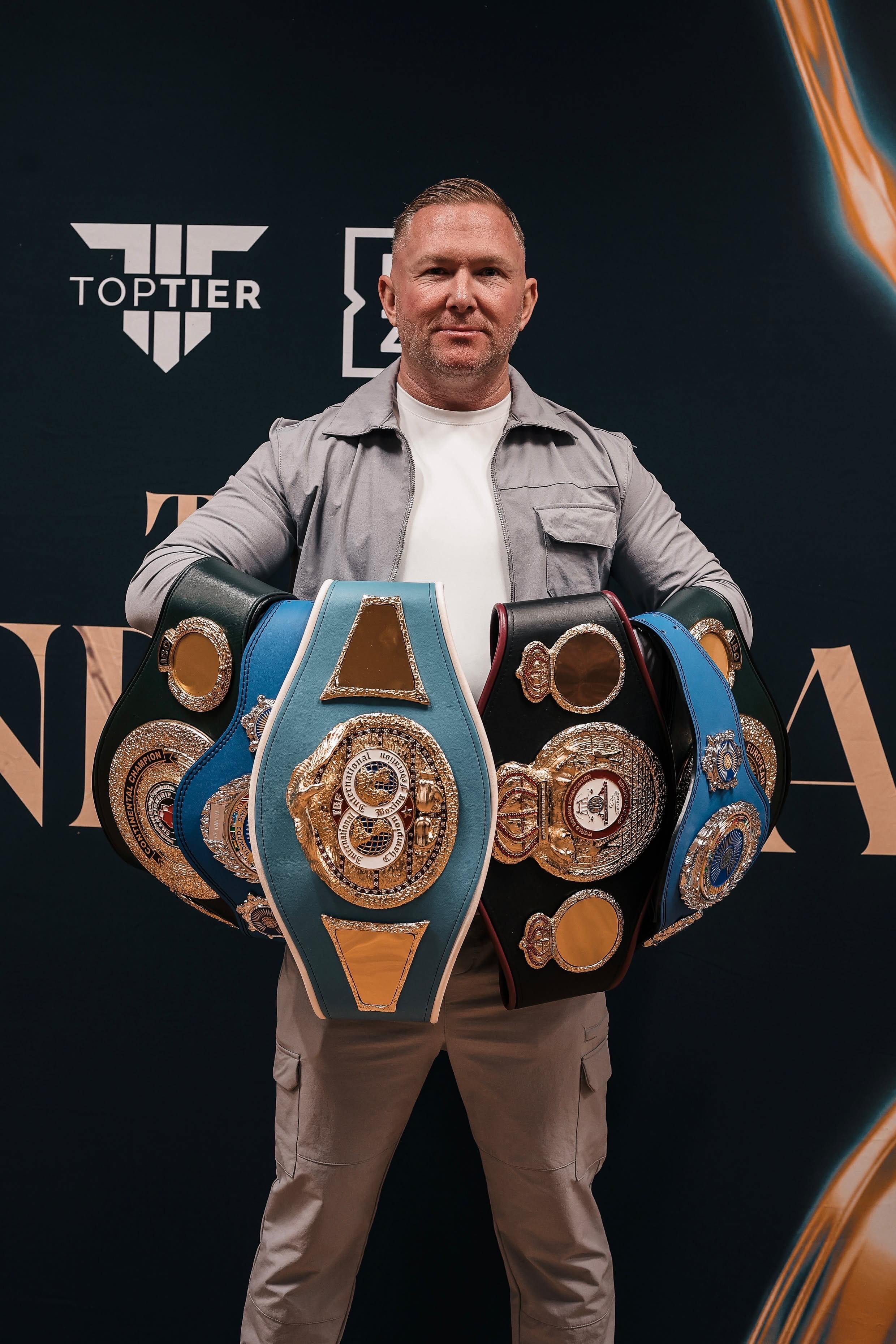
In a previous interview, you mentioned investing around £150,000 a year into Top Tier Boxing. What results have those investments delivered so far?
It’s a significant commitment, and I’ve put a lot of my own money, time, and energy into building the company. The results aren’t just about immediate financial returns. We’ve developed fighters, built relationships within the industry, delivered shows, and created opportunities for boxers to move towards bigger fights. We’ve also been able to showcase our events through DAZN, which is important for both the fighters and the brand. I’m realistic about the financial side. Boxing is an expensive business, and building a respected promotional company takes time. My focus is on turning that investment into a sustainable business while continuing to improve the opportunities we can offer our fighters.
British boxing has a strong small-hall tradition. What needs to change to help talented fighters progress from smaller venues to the international stage?
We need better pathways between the small halls and the major promotional companies. There’s plenty of talent in the UK, but talent alone doesn’t guarantee opportunity. Fighters need the right matchmaking, quality coaching, exposure, sponsorship, and people around them who understand how to develop a career. One of the pathways I envisioned with Top Tier Boxing was to give fighters the opportunity to box on DAZN from an early stage, build their profiles, and progress through the ranks while being seen by a wider audience.
The ambition is to develop them on our shows and, when they’re ready, see them move on to bigger promotional shows on DAZN. That way, the platform and the audience are already familiar with them, and they have a clearer route to the next level. I believe smaller promoters should be seen as an important part of the industry rather than competition to the bigger companies. We can develop fighters, give them experience, and prepare them for the next level. If we do our jobs properly, the bigger promoters benefit too, because they’re getting fighters who are ready to compete.
When signing a young fighter, what matters most to you: their amateur background, professional potential, or ability to attract an audience?
Professional potential comes first, but I look at the whole person. An outstanding amateur record doesn’t automatically make someone a great professional, and being able to sell tickets doesn’t mean you can fight. I look at their attitude, discipline, willingness to learn, ability to handle pressure, and the people around them. I also look at whether they have something that makes them stand out. You can develop skills and build an audience, but the fighter has to be prepared to put the work in. I want to sign people I genuinely believe we can take somewhere.
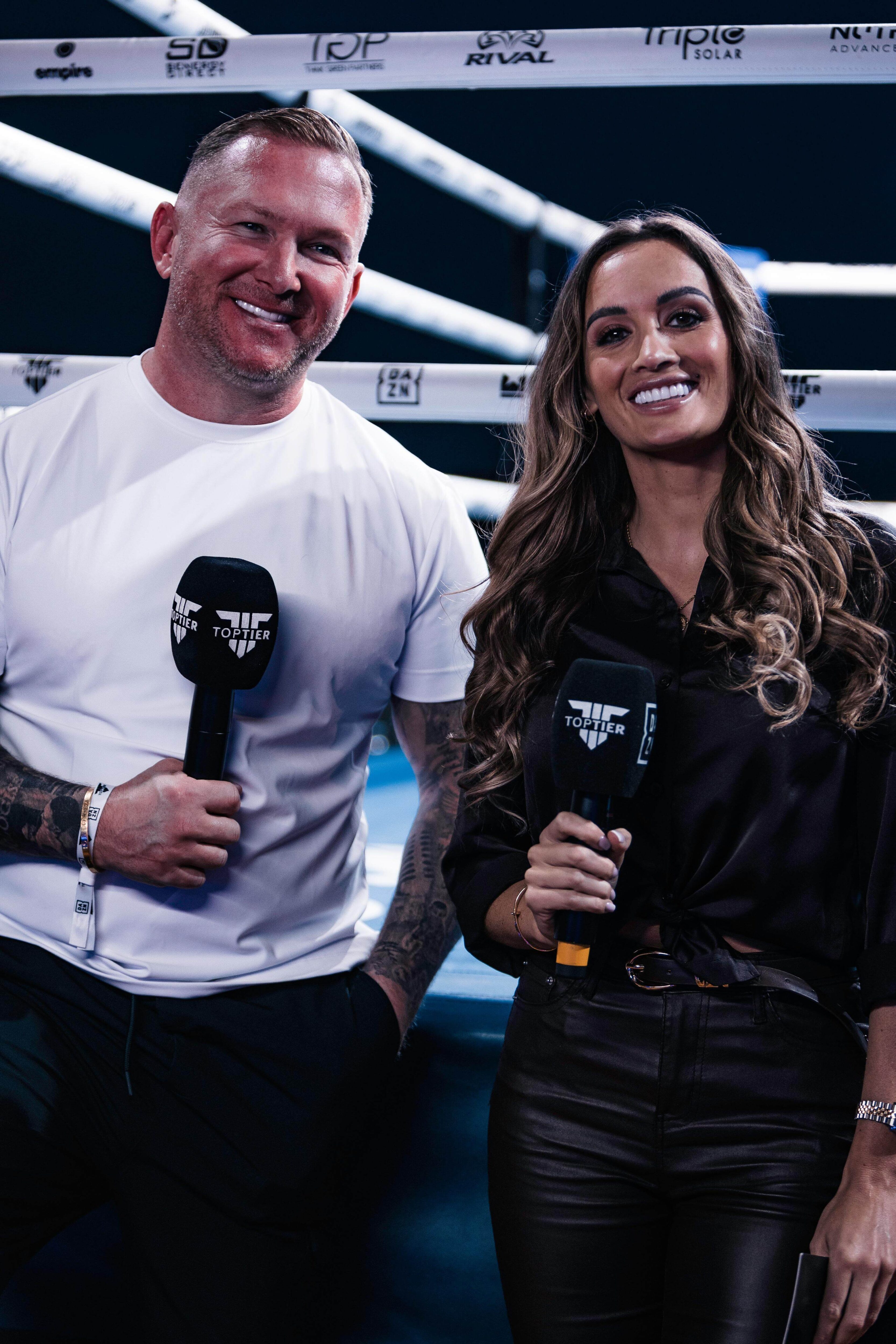
How difficult is it for a talented boxer to build a successful career without the backing of a major promotional company?
It’s very difficult, because boxing is about much more than winning fights. You need money for training camps, opponents, travel, management, and promotion. You also need opportunities at the right time, and getting those opportunities can be difficult without the backing of an established company. That’s where independent promoters can make a real difference. You might not have the same resources as the biggest companies, but you can give fighters attention, build relationships, and make decisions around their individual development. The challenge is getting them to a point where the wider industry takes notice.
Which Top Tier Boxing event has been the most significant milestone for your company, and why?
For me, the most significant milestones are the events that demonstrate how far we’ve come and where we’re heading. Securing opportunities to showcase our shows on DAZN and staging meaningful title fights are important steps because they show that a small-hall promoter can have ambitions beyond simply filling a venue. Every event teaches you something, but I’m particularly proud when a fighter takes a genuine step forward in their career. Ultimately, I want Top Tier Boxing to be judged by the quality of our shows and the careers we help build.
British boxing is evolving rapidly. Which changes in the way fights are promoted and organised do you find most promising?
The biggest opportunity is the way digital media and streaming have changed access to boxing. You no longer have to rely entirely on traditional television coverage or newspaper publicity to reach an audience. Promoters can build their own brands, fighters can connect directly with fans, and people can follow prospects much earlier in their careers. I’m also encouraged by the growing emphasis on presentation and production. Fans expect a professional experience, whether they’re watching from ringside or at home. At Top Tier Boxing, I want our shows to have that big-event feel while retaining the atmosphere and authenticity that make British small-hall boxing special.
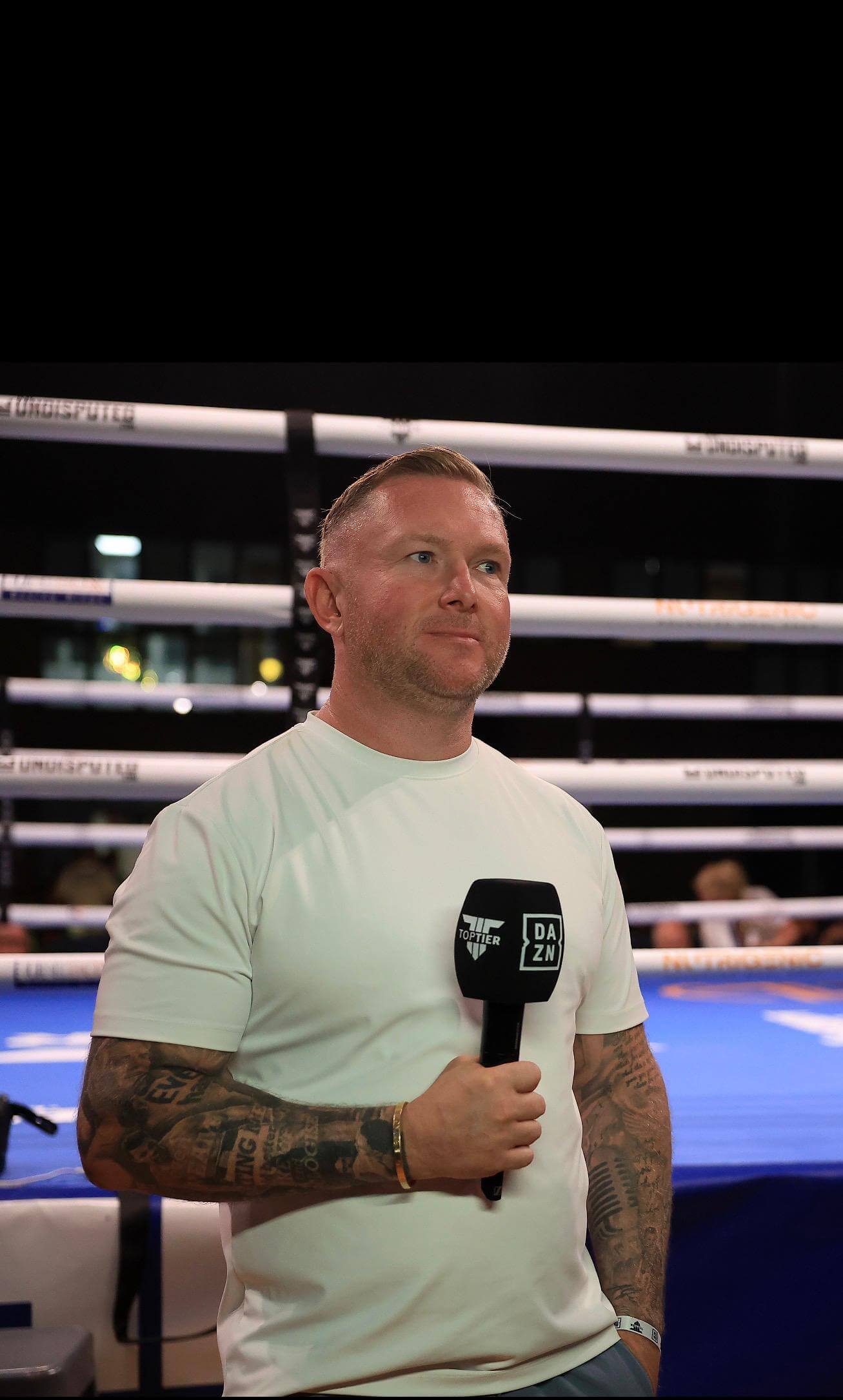
Dana White’s arrival in boxing with Zuffa Boxing has attracted considerable attention. What impact do you think it could have on the sport?
Any serious new investment into boxing has the potential to shake things up, and Dana White understands how to build a brand and attract attention. His involvement could bring new audiences, new commercial opportunities, and a different approach to how fights are promoted. The real test will be how the business develops and whether it creates meaningful opportunities for fighters across the sport.
Boxing already has plenty of talent; what it needs is a structure that helps deliver the fights fans want to see. As an independent promoter, I’ll be watching closely, because changes at the top can create opportunities further down the ladder too.
Today’s fighters need more than victories — they also need to build their own brands. How important is a fighter’s personal brand to their long-term success?
It’s hugely important. Misfits Boxing has shown us just how powerful social media can be when it comes to marketing a fight, building an audience, and increasing the commercial value of a contest. You can have two very talented fighters, but if one has a huge following and knows how to engage with an audience, that can make a massive difference to the attention and money a fight attracts. Boxing has changed. It’s no longer just about what happens between the ropes; it’s also about building a story, creating interest, and giving people a reason to watch. A fighter’s social media following can help attract sponsors, sell tickets, and make them a more valuable proposition to promoters. At Top Tier Boxing, I think it’s important that fighters understand this from the beginning of their careers. You don’t necessarily have to be controversial or become an influencer, but you do need to build your profile and connect with fans. The fighters who combine ability in the ring with a strong personal brand will often give themselves more opportunities and greater earning potential in the long run.
Matchmaking can define a fighter’s career. How do you balance developing your fighters with putting on genuinely competitive bouts?
I’m tough when it comes to matchmaking because I believe that, on my shows, we have to take a risk to get the reward. I don’t want to build fighters who are just protecting an unbeaten record; I want to build fighters who are prepared to test themselves, take on challenges, and prove they belong at the next level. Boxing is a tough sport, and if you want to reach the top, you have to be willing to take calculated risks. Of course, you have to make sure the timing is right for each fighter, but I believe in giving them opportunities to push themselves and show what they’re capable of. For me, it’s about creating competitive fights that mean something. The fans deserve genuine contests, and the fighters need to be tested if they’re going to improve. Sometimes taking that risk can be the making of a fighter, and that’s the mentality I want Top Tier Boxing to be known for.
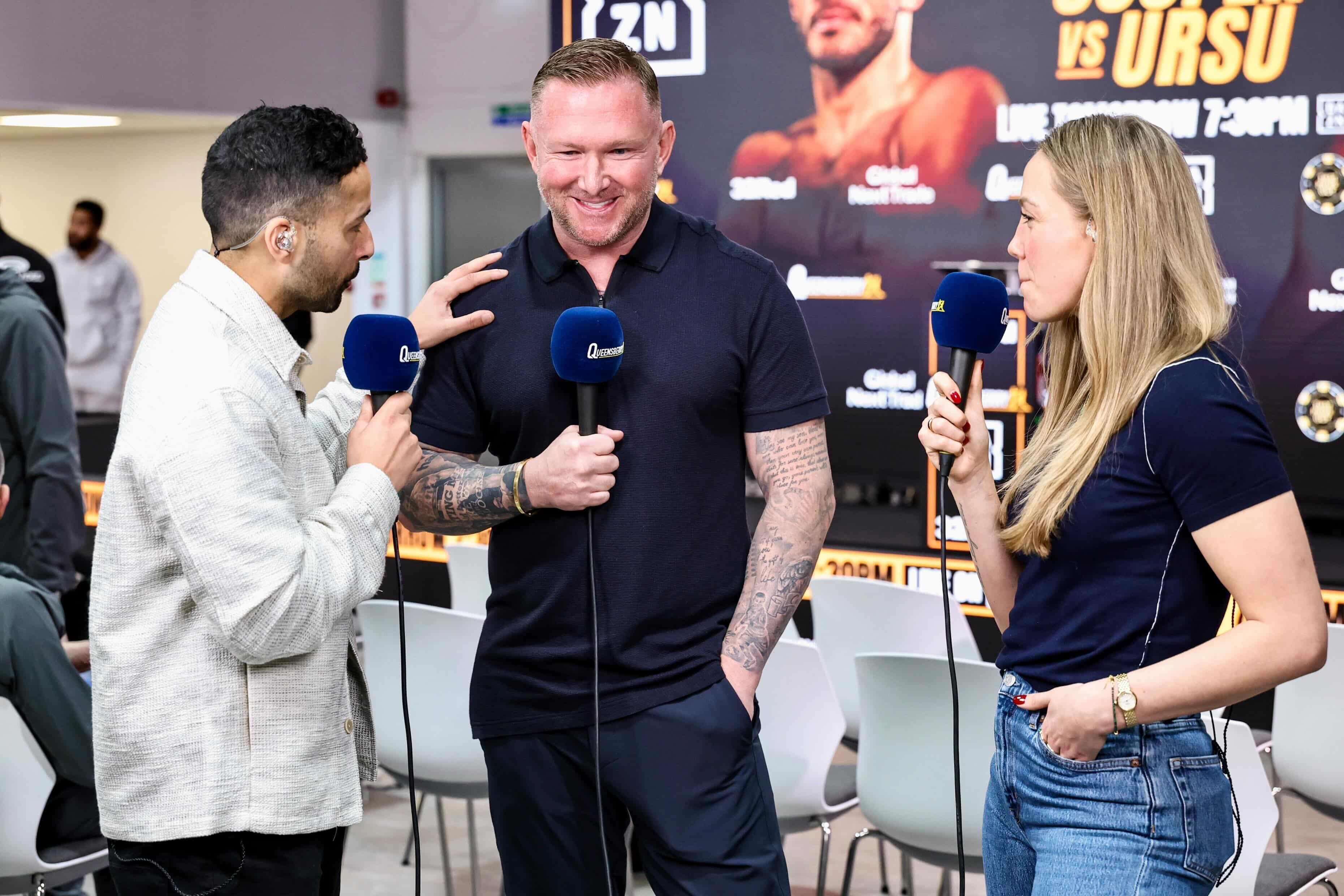
Which fighter on the Top Tier Boxing roster do you believe is closest to making a major breakthrough on the international stage?
I’d say Constantin Ursu and Yaser Al Ghena are two great examples of how I like to build a fighter’s career. My approach is to start them around halfway up the card, give them the experience and exposure they need, and gradually build them towards becoming main-event fighters. Once they’ve headlined two or three times, I believe they should be in a position where they’re ready to move on to a bigger promotional company and take that next step in their careers. I’ve seen Constantin and Yaser go through that process, and I’m proud of the progress they’ve made. Now, it’s time for Shauna Browne and Megan Redstall to follow that same pathway. I want to build them up, give them the right opportunities, and establish them as main-event fighters in their own right. For me, that’s what Top Tier Boxing is all about. We’re not just putting on shows; we’re developing fighters, building their profiles, and preparing them for the next level. If we can consistently produce fighters who are ready to step up to bigger promotions and compete on the international stage, then we’re doing our job properly.
Boxing is becoming increasingly global, with major events taking place in Saudi Arabia, the United States, and the UK. How is this changing opportunities for British promoters?
Boxing is more international than ever, and that creates opportunities for British fighters and promoters to build relationships beyond the domestic market. We can develop talent here, give fighters the experience they need, and then connect them with opportunities overseas. For an independent promoter, relationships are everything. You need to know the right people, understand where your fighters fit, and be ready when an opportunity comes along. I want Top Tier Boxing to be recognised as a company that develops fighters who are ready to compete on a bigger stage, whether that’s in Britain, the United States, the Middle East, or elsewhere.
As both an entrepreneur and a boxing promoter, what has been the toughest business decision you’ve had to make in the sport?
I think the toughest decision I’ve had to make is being honest with myself about the future of Top Tier Boxing. I’ve invested a huge amount of my own money, time, and energy into building the company, and I’m incredibly proud of what we’ve achieved so far. But boxing is a business, and at some point, you have to look at the bigger picture. My ambition is to continue building Top Tier Boxing, but having the right broadcast contract in place is crucial to making that sustainable. I’ve set myself a target of securing a broadcast contract by 2027. If that doesn’t happen, I may have to take a step back and put Top Tier Boxing on hold, with the possibility of revisiting it in the future if the right opportunity comes along. It’s not a decision I would take lightly, because I believe in what we’ve built and in the fighters we’re developing. But I also have to be realistic. I’ve given this business everything I can, and I need to make sure there’s a viable future for it. I’m still ambitious about what we can achieve, but I also know that sometimes you have to make difficult decisions to protect what you’ve built and recognise when the right opportunity needs to come along.
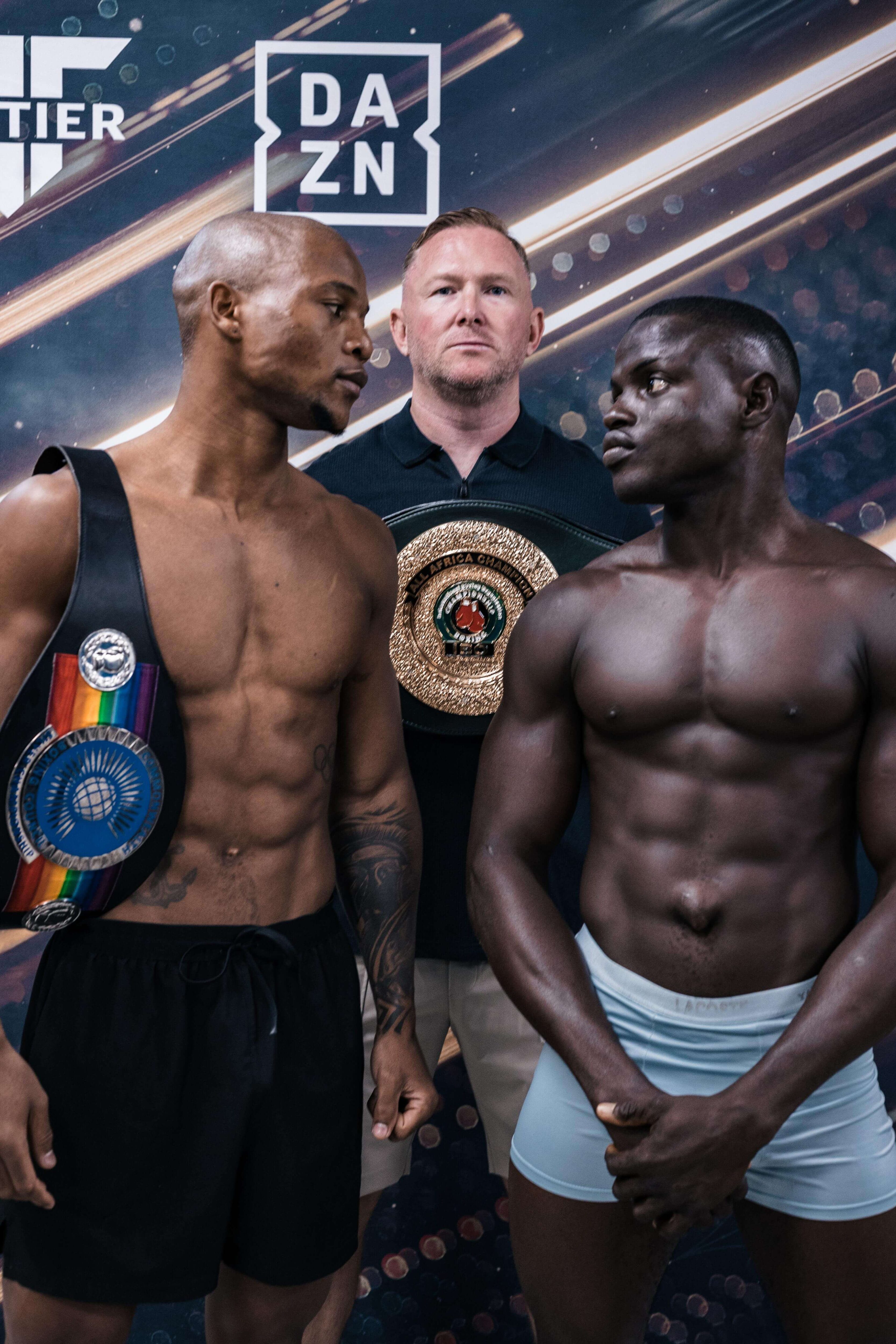
Do you have plans to take Top Tier Boxing beyond the UK? Which international markets interest you most?
Absolutely. I’d love to take Top Tier Boxing overseas, and one of my ambitions would be to put on a show in Dubai. It’s an exciting market with a growing interest in boxing, and I think there’s a real opportunity to bring the Top Tier Boxing brand to an international audience. My focus has always been on developing fighters here in the UK, building their profiles, and giving them the opportunity to progress to bigger stages. Taking a show to Dubai would be a fantastic next step and a chance to showcase the talent we’re developing to a new audience. Ultimately, I want Top Tier Boxing to be recognised beyond the UK. I’m ambitious about what we can achieve, and if the right opportunity and commercial backing came along, putting on a show in Dubai would be something I’d love to make happen.
Johnny, when you look back on your career one day, what achievement would make you feel that you’ve truly left your mark on professional boxing?
I’d want to look back and know that I helped fighters achieve things they might not otherwise have achieved. If someone came through Top Tier Boxing, won major titles, and went on to become a household name, that would mean a great deal to me. I’d also want the company to be respected for the way it operates, the opportunities it creates, and the quality of its shows. I’m ambitious, and I want Top Tier Boxing to become a recognised name in British boxing and beyond. But ultimately, the legacy is about the fighters. If I’ve helped change careers and played a part in producing champions, I’ll feel I’ve done something worthwhile.