Beyond the Pitch: Raphael Maitimo on Football, Capital, and Building a Second Career
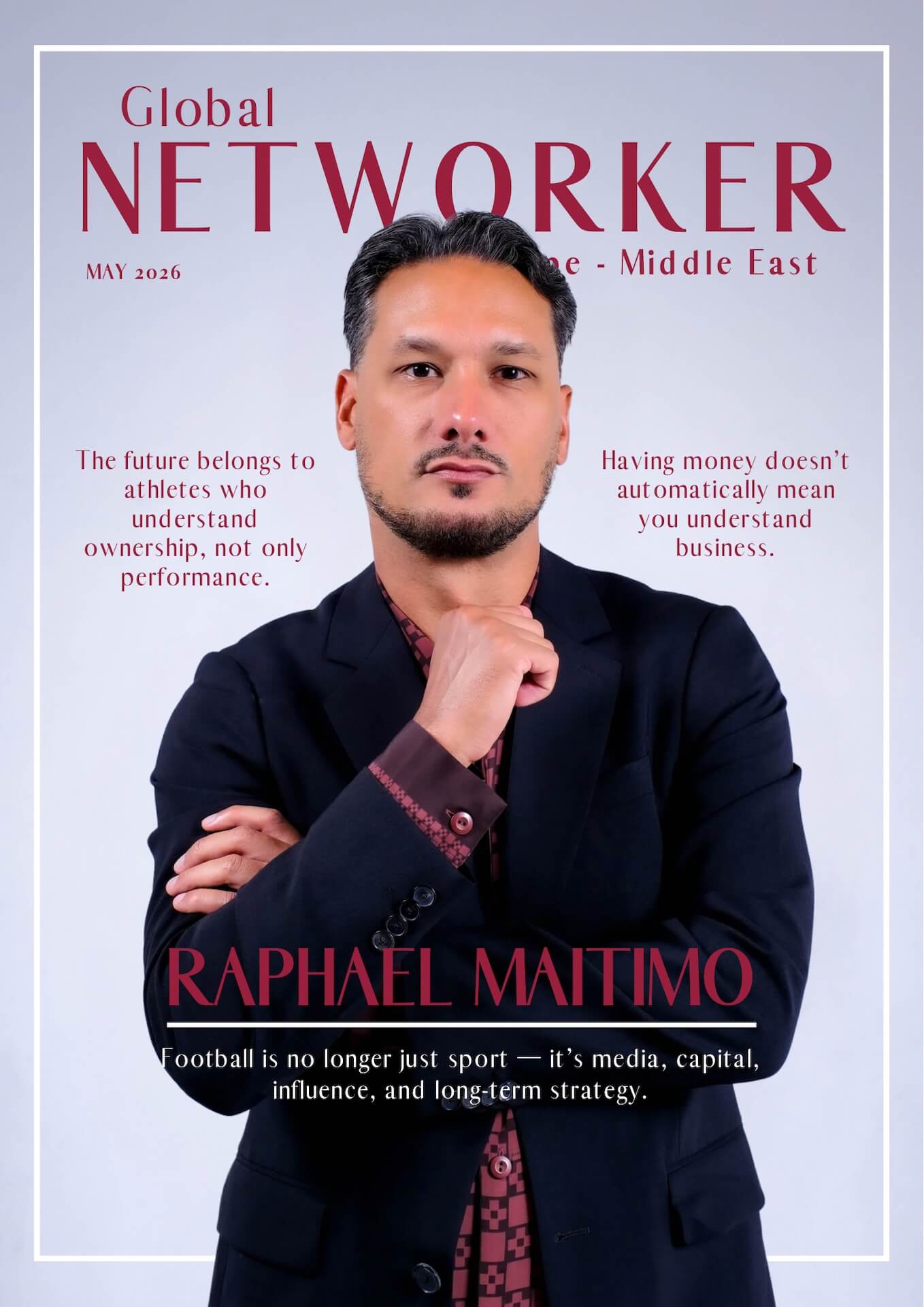
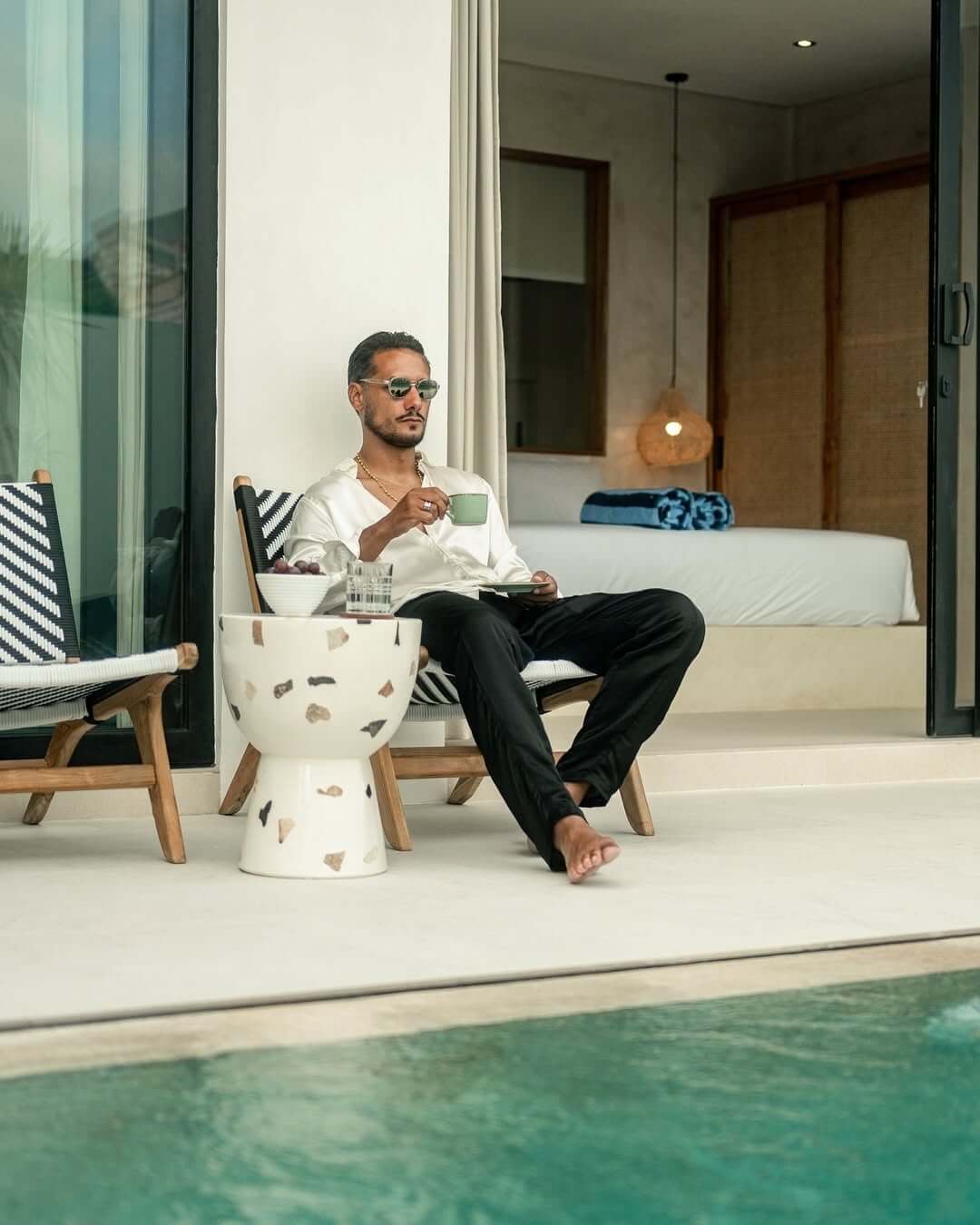
On the cover: Raphael Maitimo
 Text by: Marina Slobodyanik
Former professional footballer Raphael Maitimo has transitioned from the structured world of elite sport into the dynamic landscape of business and investment. As the founder of PlayForward Agency — a consultancy advising footballers, brands, and stakeholders across the football ecosystem — Maitimo represents a growing generation of athletes redefining what life after sport looks like.
In this conversation, he shares insights on the economics of football, the shift toward athlete-driven ventures, and why understanding capital is becoming as important as performance on the pitch.
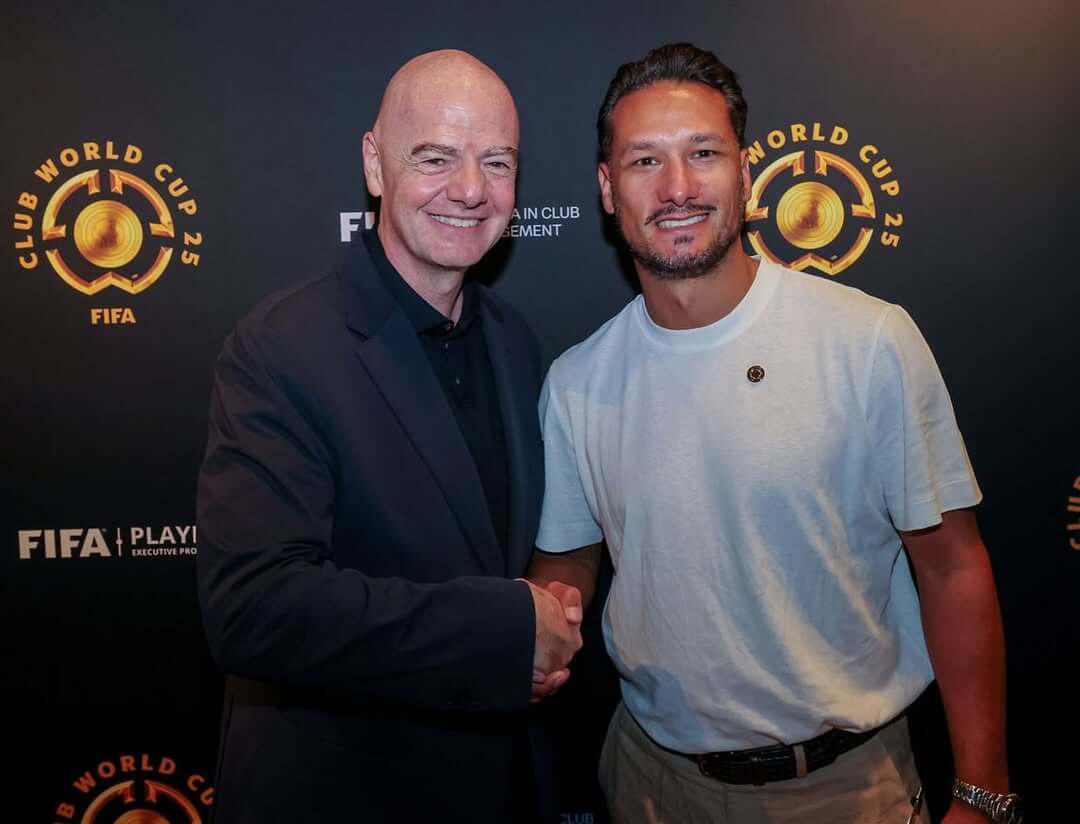
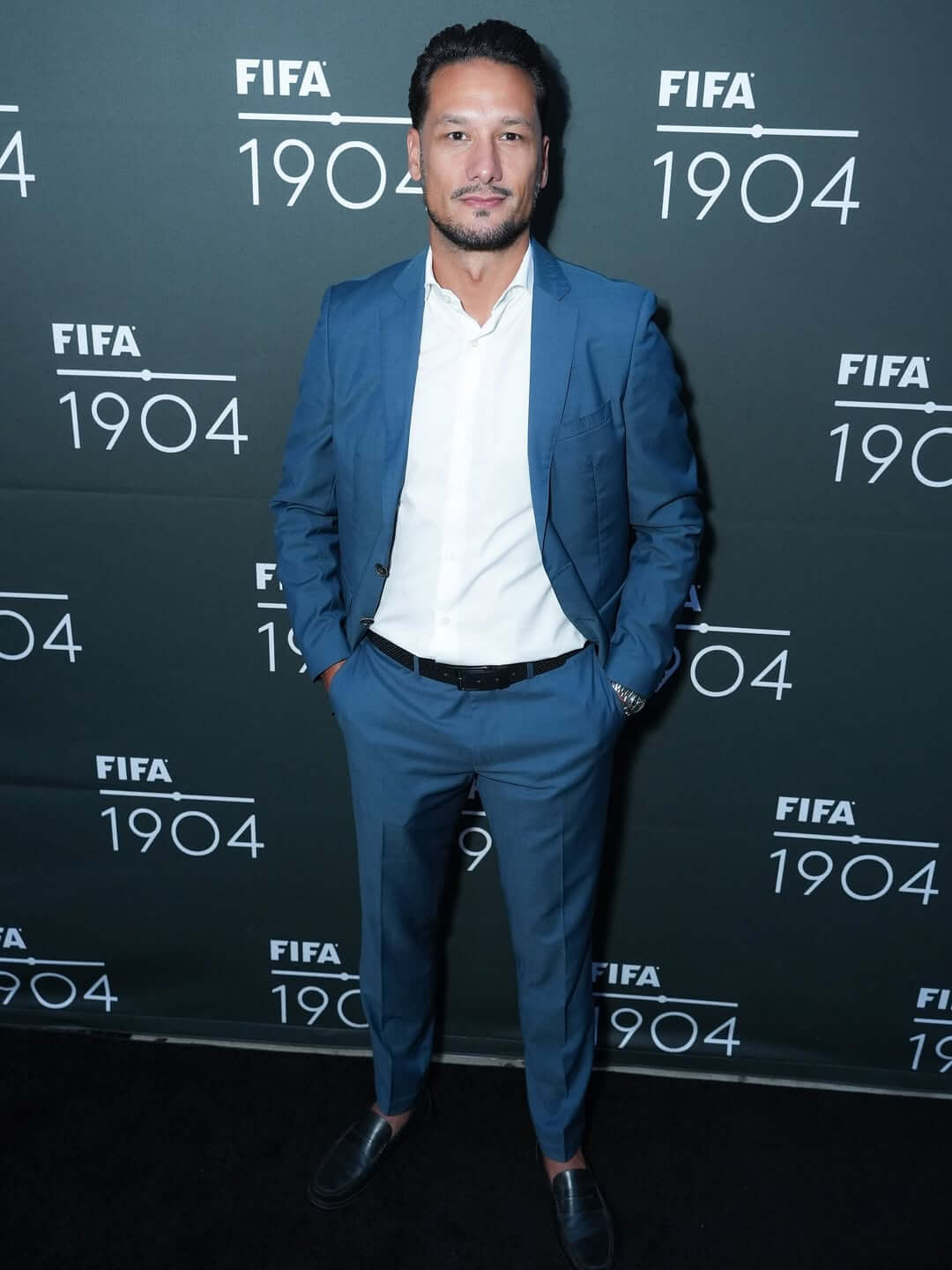
Gianni Infantino, Raphael Maitimo
You transitioned from professional football into business. What was the most difficult part of that shift?
The structure. In football, everything is planned — training, matches, recovery. Your entire day is organized for you.
In business, that disappears. Nobody tells you what to do. You have to create your own direction, your own discipline, and operate in uncertainty every day. It’s a different kind of pressure — less visible, but more constant.
At what point did you start thinking about life after your football career?
Earlier than most.
Once you understand how short a football career really is, you have two options: prepare or get caught off guard. I didn’t want to be in a position where I had to figure everything out after it ended. I wanted to build while I was still playing.
Football today is a multi-billion dollar industry. Where is the real money being made?
The real money is in media rights, commercial deals, and ownership structures.
Clubs, leagues, and investors benefit the most from the ecosystem. Players are well compensated, but they’re not capturing the largest share of the value being created around the game.
Which areas of the football industry do you think are still undervalued?
Player-driven businesses are still underdeveloped.
There’s also opportunity in niche segments — talent development platforms, data analytics, and localized fan engagement. Another big one is equity. Athletes are still mostly earning salaries instead of building ownership in what they’re part of.
What are the key differences between European and Middle Eastern football ecosystems?
Europe is legacy-driven — built on history, culture, and organic growth over decades.
The Middle East is strategy-driven — defined by capital, speed, and long-term positioning.
One system evolved over 100 years. The other is being built in real time with a clear vision.
Why is the Middle East investing so heavily in sports right now?
It’s about diversification and positioning.
Sport brings global attention, tourism, and influence. But beyond that, it helps build an entire ecosystem — infrastructure, media, events, and business opportunities. Football is just one part of a much bigger strategy.
Do you see this as a long-term strategy or a short-term trend?
Long-term.
The scale of investment and infrastructure being developed doesn’t support a short-term mindset. This is about decades, not years.
How important is personal branding for professional athletes today?
It’s essential.
A playing career is temporary, but your brand can last much longer. The athletes who understand this early create opportunities beyond football.
What mistakes do players make when trying to build a career beyond sport?
They start too late.
They rely too much on other people.
And they go into areas they don’t fully understand.
Having money doesn’t automatically mean you understand business — and that gap can be very expensive.
What do people most misunderstand about the business side of football?
People think it’s simple because they only see the end product.
In reality, it’s highly complex — negotiations, structures, politics, long-term strategy. The game on the pitch is just one layer of a much bigger system.
Where do athletes lose the most money off the pitch?
Bad investments and the wrong people around them.
Trusting without understanding is probably the biggest financial mistake athletes make.
If you were starting from scratch today, with your current experience, what would you do differently?
I would start building my network and business knowledge much earlier.
Not just focusing on playing, but understanding the industry around the game from day one.
Which part of the sports industry would you enter today?
Where sport intersects with business — media, ownership, and athlete-driven ventures.
That’s where influence and scalability come together.
How do you define success today?
Freedom and control.
Being able to choose what I do, who I work with, and building something that lasts beyond me.