THE END OF THE PASSPORT ERA: HOW DUBAI IS CHANGING THE RULES OF GLOBAL AVIATION

Paul Griffiths is a British senior executive who has been leading Dubai Airports since October 2007. He oversees the development of Dubai’s two airports: Dubai International (DXB) and Al Maktoum International (DWC).
Dubai is preparing for another technological revolution. Paul Griffiths, CEO of Dubai Airports, believes that physical passports could eventually become a thing of the past. Traditional travel documents are gradually giving way to biometrics, digital identity, and artificial intelligence. However, this transformation is driven by more than simply eliminating queues for passengers. It is also part of a global competition to shape the future of international travel.
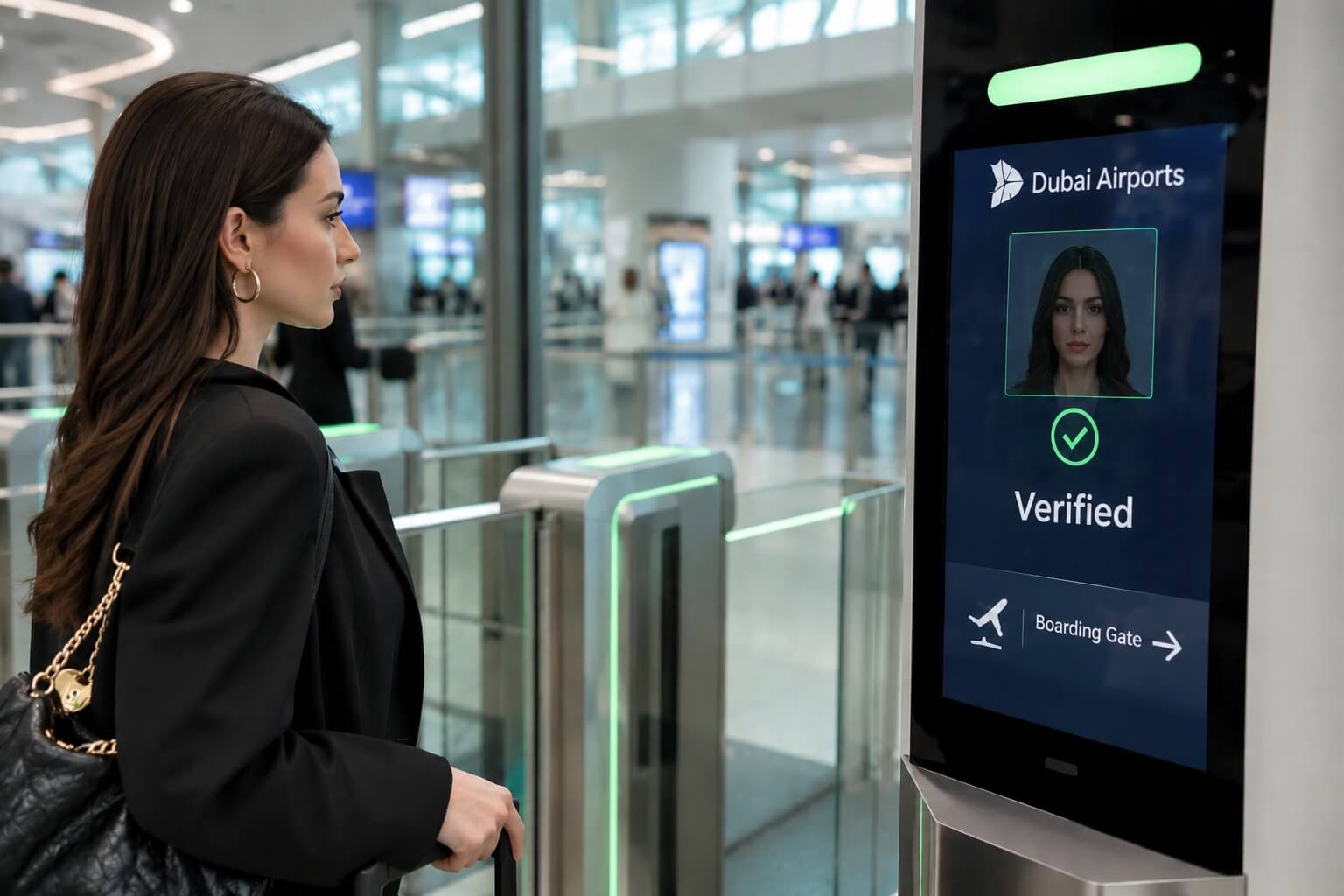
For decades, the passport has remained the primary instrument of international mobility. However, the rapid development of digital technologies is gradually changing the very principles of traveler identification. Dubai, which has become one of the world’s largest aviation hubs, is investing in a future where passengers will no longer need to repeatedly present their documents throughout airport procedures. Instead, their identities could be verified through automated facial recognition and biometric identification systems.
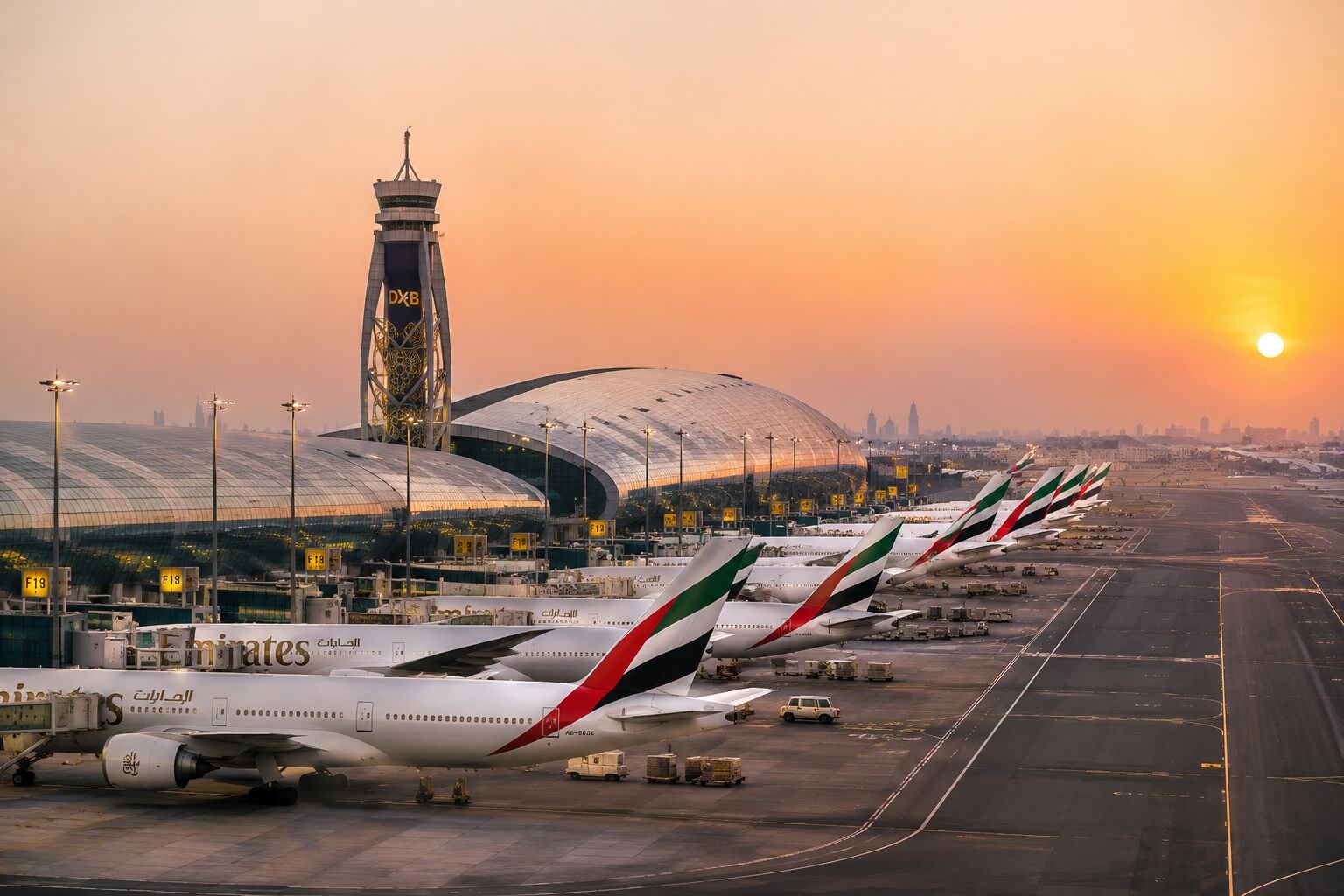
For the aviation industry, this transition could represent one of the most significant technological transformations since the introduction of electronic tickets. Dubai International Airport already uses Smart Gates, allowing certain categories of passengers to pass through immigration control using biometric technologies. The next stage could involve integrating digital identity throughout the entire passenger journey — from check-in to boarding.
The economic logic behind this transformation is clear. In 2025, Dubai International Airport handled a record 95.2 million passengers. At such a scale, even a minor reduction in processing time could significantly improve infrastructure efficiency. Automation makes it possible to optimize passenger flows, reduce operating costs, and increase terminal capacity without a proportional rise in expenditure.
However, the implications extend far beyond operational efficiency. The development of biometric technologies is creating a promising market for digital identity solutions, software, and cybersecurity. Airports are becoming strategic customers for technology providers, while governments are gaining new tools to manage international mobility. Within this system, artificial intelligence is gradually evolving from a supporting technology into one of the key components of transportation infrastructure.

Nevertheless, digitalization also raises fundamentally new questions. Who will control the biometric data of millions of travelers? How can its security be guaranteed and unauthorized use prevented? Unlike a conventional document, which can be replaced, a person’s biometric characteristics are virtually permanent. Therefore, the success of this new system will depend not only on speed and convenience but also on passengers’ trust in the technology.
Dubai’s ambitions extend far beyond modernizing passport control. The emirate is implementing a large-scale aviation infrastructure development strategy, including the expansion of Al Maktoum International Airport. Investment in the project is estimated at approximately $35 billion, while its long-term planned capacity is expected to reach up to 260 million passengers annually. Investments of this magnitude demonstrate Dubai’s determination to strengthen its position as one of the world’s leading transportation and economic hubs.
At the same time, the complete elimination of physical passports remains a matter for the future. International border-crossing regulations still require valid travel documents, while the adoption of digital identity systems depends on the legislation of individual countries. Most likely, traditional passports will continue to coexist with biometric systems for many years.
Nevertheless, the direction of global aviation development is becoming increasingly clear. Dubai aims not merely to adapt to technological change but to participate in shaping new international standards.
While airport competitiveness was once determined primarily by geographical location, flight connectivity, and service quality, the future may place greater importance on data processing speed, digital infrastructure security, and the ability to deliver an almost seamless travel experience.
Perhaps, in a few decades, a traveler’s most important document will no longer be the passport in their pocket, but their own digital identity. And Dubai intends to be among the first to turn this vision into reality.